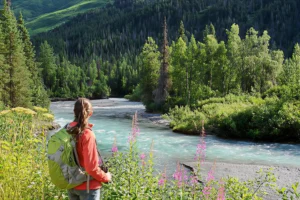





Exploring remote Alaska’s mountains opens the door to some of the state’s most prized wild foods: blueberries, chaga mushrooms, and spruce tips. Each has unique flavors, uses, and seasons, but they share one thing in common: foraging them responsibly enhances your connection to the land.
Table of Contents
1. Prepare & Plan
- A. Know the Seasons
- B. Gear Up
- C. Choose the Right Spot
- Blueberries: Peak season is mid-July to late August.
- Chaga: Best harvested in late fall to early spring, often after the first frost.
- Spruce tips: Young, tender tips are perfect in spring, usually May to early June.
Bring:
- Sturdy waterproof boots
- Durable gloves (leather or nitrile)
- Lightweight buckets or mesh bags
- A straight-edged blade for Chaga
- A small foldable knife or pruning shears for spruce tips
- Basic first-aid, water, snacks, GPS/map
Seek mixed forests and open mountain edges:
- Blueberries need sunshine and well-drained soil.
- Chaga grows on older birch trees, especially in cooler upland slopes.
- Spruce tips come from young branches on mature spruce trees, often near the forest canopy.
2. Harvesting Wild Blueberries
- Spot & Identify
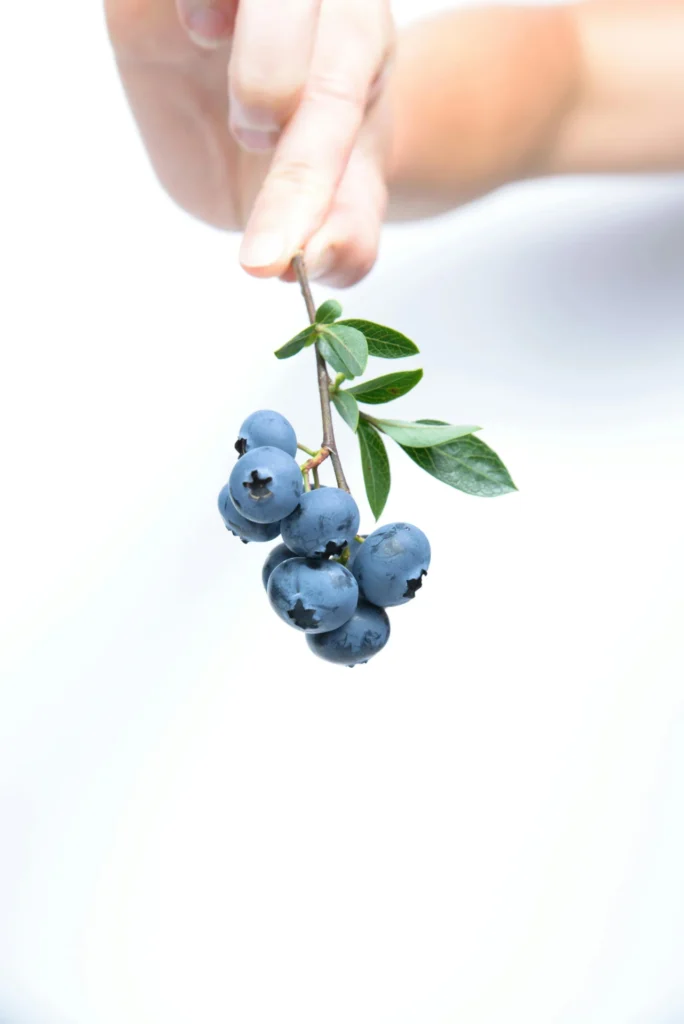
Look for dusty-blue berries around waist height on low shrubs. - Harvest
Gently roll berries off the stem into your container, avoid crushing. - Leave Some
Don’t strip entire patches. Leave enough for wildlife and natural reseeding.
3. Harvesting Chaga Mushrooms
- Recognize Birch Trees
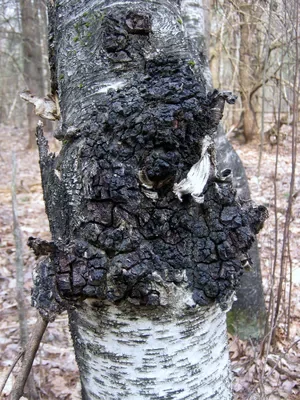
Chaga appears as a hard, black, fungus-like growth on birch bark. - Harvest Ethically
Remove only 1/3 to ½ of the conk using a blade or sturdy knife. Leave the rest to regenerate. - Clean & Store
Brush off bark debris and allow chaga to dry fully before storing in breathable bags.
4. Harvesting Spruce Tips
- Identify Spruce Saplings/Branches
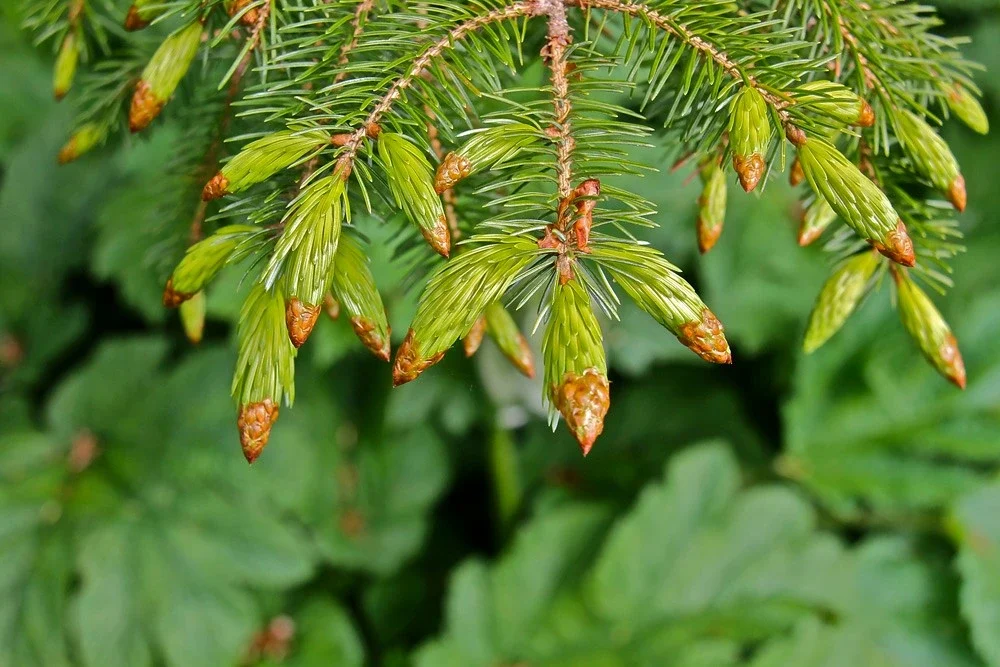
Young tips are soft, light green, and upward-facing. - Harvest Selectively
Snip only the top 1–2 inches from a branch, and limit to 2–3 tips per tree. - Preserve Freshness
Keep tips cool in a shade-packed container. Use within a few days or freeze for longer storage.
5. Sustainability & Safety
- Leave No Trace
Walk lightly, to avoid erosion, and stick to established routes. - Follow Regulations
Some areas in Alaska require permits for foraging; check with land managers. - Wildlife Awareness
Watch for bears, moose, and other wildlife. Make noise, carry bear spray, and store foods securely. - Prep for Emergencies
Cell service is limited; carry a satellite communicator or personal locator beacon when needed.
6. What to Do with Your Harvest
- Blueberries: Eat fresh, make jams, bake muffins; freeze extras.
- Chaga: Brew into nutrient-rich tea, and steep for several hours.
- Spruce Tips: Add bright, citrusy flavor to syrups, teas, or marinades.
🏁 Conclusion
Foraging wild blueberries, chaga, and spruce tips in Alaska’s remote mountains can be deeply rewarding, offering delicious, wild flavors and a closer bond with nature. By planning, harvesting responsibly, and respecting wildlife and land, you’ll enjoy safe, sustainable, and meaningful foraging adventures.
FAQs
- Blueberries typically ripen from mid‑July to late August, with peaks varying by elevation and weather.
- Chaga is best harvested late fall through early spring, especially after the first frost when the sap is dormant.
- Spruce tips are at their tender best in spring (May-early June), when the new tips emerge from their papery casings.
Chaga grows as hard, black, irregular conks on mature birch trees. Harvest only 1/3 to ½ of the conk, preferably those under 20 feet high, and leave the rest to allow regeneration and protect the host tree.
Use a small sharp tool or clips to snip just the top 1–2 inches per branch, taking no more than 33% of accessible buds per tree. Harvest when tips are soft, discard their papery casings, and leave the rest for healthy growth.
Only take at most one-third of the berries in a given area. Avoid stripping whole patches and refrain from damaging flower buds, ensuring healthy regrowth for the next season.
Yes. Alaska’s Non-Timber Forest Product regulations (e.g., spruce tips, conks, berries) often limit commercial or large-scale harvest. For example, spruce buds must follow weight limits and percentage rules; always check local land manager regulations for specific areas.