

President Donald Trump said Friday that the United States now effectively controls the Strait of Hormuz, escalating tensions with Iran as both sides continue fragile ceasefire discussions amid ongoing regional instability.
Speaking to reporters aboard Air Force One after meetings with Chinese President Xi Jinping, Trump claimed U.S. military operations had severely weakened Iran’s naval capabilities in the strategic waterway.
“We control the Strait,” Trump said, adding that Iran’s military forces had been “essentially wiped out.”
Strait of Hormuz Remains Global Flashpoint
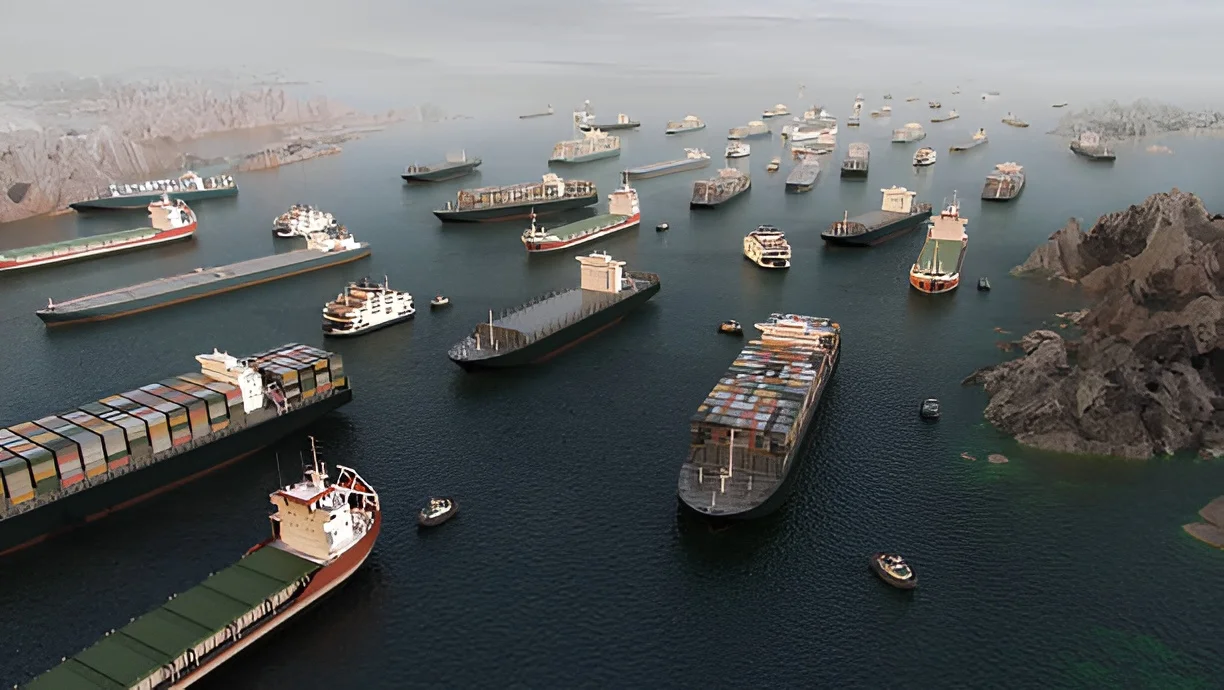
The Strait of Hormuz remains one of the world’s most important maritime chokepoints, with roughly one-fifth of global oil and gas shipments typically passing through the narrow waterway.
The region has been at the center of escalating conflict since fighting between the United States, Israel, and Iran intensified earlier this year.
Iran previously restricted shipping access through the strait following military strikes by the U.S. and Israel, prompting American-led naval operations aimed at reopening commercial navigation routes.
Iran Says Ceasefire Is “Shaky”
Iranian Foreign Minister Abbas Araghchi pushed back against Trump’s comments, saying Tehran does not trust Washington despite efforts to preserve a temporary ceasefire.
“We cannot trust the Americans at all,” Araghchi said during remarks at the BRICS summit in New Delhi. He described the ceasefire as “shaky” but said Iran was trying to maintain it “to give diplomacy a chance.”
Araghchi also stated that the Strait of Hormuz remains open for most international shipping, except for countries “at war with” Iran.
Trump and Xi Agree Strait “Must Remain Open”
The latest developments came after Trump and Xi held high-level talks in Beijing focused heavily on the Iran conflict, energy security, and global trade routes.
According to a White House readout, both leaders agreed the Strait of Hormuz “must remain open” and that Iran “can never have a nuclear weapon.”
Trump later said Xi had assured him China would not provide military assistance to Iran, calling it a “big statement.”
China remains Iran’s largest oil customer, making the reopening of the strait a major economic priority for Beijing.
Shipping and Energy Markets Remain on Edge
Despite claims of progress, threats to commercial shipping continue to unsettle global markets.
CBS News reported that the U.S. had begun efforts to guide stranded commercial vessels through the strait while maintaining a naval blockade targeting Iranian-linked shipping.
Oil markets have remained volatile amid fears of supply disruptions tied to the conflict. Analysts say any renewed escalation around Hormuz could rapidly affect global energy prices.
U.S. Says Iran’s Naval Power Has Been Severely Damaged
U.S. Central Command officials told lawmakers this week that Iran’s ability to disrupt shipping through the Strait of Hormuz has been “dramatically degraded” following American operations in the region.
CENTCOM commander Adm. Brad Cooper said Iran’s military infrastructure and naval capabilities suffered major losses during recent strikes, though threats to commercial shipping still remain.
Iranian officials, however, continue to claim authority over the strategic waterway and have warned foreign military vessels against entering the area.
Why This Matters?
The Strait of Hormuz is considered one of the most strategically important waterways in the world.
Any disruption to shipping there can affect:
- Global oil prices
- Energy supplies
- International trade routes
- Military tensions across the Middle East
The latest developments highlight how closely global markets and world powers are watching the conflict between Iran and the United States.
Key Insights
- Trump says the U.S. controls the Strait of Hormuz
- Iran says it “cannot trust Americans” despite ceasefire talks
- Trump and Xi agreed the strait “must remain open”
- Oil markets remain sensitive to shipping disruptions
- U.S. military says Iran’s naval capabilities were heavily damaged
Related Posts
Trump Orders U.S. Navy to Block Ships in Strait of Hormuz, Escalating Iran Conflict
Global Oil at Risk: Trump Urges Warships to Secure Strait of Hormuz as Iran Tightens Control
US-Iran Conflict Sparks Fears of Strait of Hormuz Closure and Global Fallout
Travel Chaos Grows as Trump Pushes Iran Oil Strategy
Global Oil Prices Drop Nearly 6% Following Israel Iran Ceasefire Announcement
Israel-Iran Conflict Triggers Oil Price Surge and Global Market Jitters