
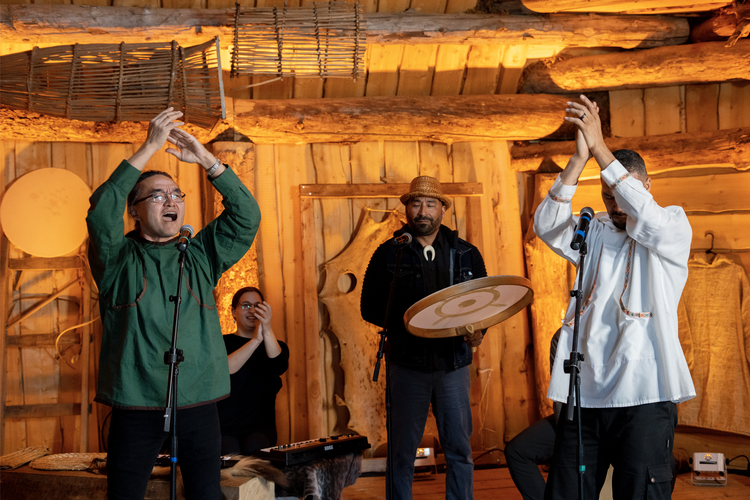
People tend to be surprised when Alaska comes up in a conversation about music. It’s not the first state that comes to mind. But spend a little time looking into it and the picture changes quickly. A folk singer who sold tens of millions of records, a rock band with a Grammy, a classical composer with a Pulitzer, and a guitarist whose name appears on two of the most discussed debut albums in rock history.
The music that comes out of Alaska tends to carry something in it; a sense of scale, of distance, of somewhere that demands a different relationship with the world. Not every artist leans into that explicitly, but it shows up anyway.
Jewel

Jewel Kilcher grew up on a homestead outside Homer with no running water, no electricity, just her father Atz and a lot of time with music. The two performed together around the region before she left for the Interlochen Arts Academy in Michigan on a partial scholarship.
Pieces of You, her 1995 debut, went 12-times platinum and made her one of the defining voices of that decade’s acoustic folk-pop movement. “Who Will Save Your Soul” and “You Were Meant for Me” were everywhere. She’s talked about her Alaskan childhood in interviews for years, the isolation, the physical hardship, how that upbringing fed directly into how she writes.
Portugal. The Man

John Gourley, the main creative force behind Portugal. The Man, is from Wasilla. He was playing in a punk outfit called Anatomy of a Ghost before it folded, and Portugal. The Man grew from those pieces, spending years building a following through relentless output, releasing an album almost every year while rarely repeating themselves sonically.
“Feel It Still” crossed over in 2017 in a way nothing before it had as it hit number four on the Billboard Hot 100, won a Grammy for Best Pop Duo/Group Performance. The catalog covers a lot of ground: psychedelic rock, funk, indie pop, progressive touches. Gourley has been open about growing up in Alaska, and that sense of distance runs quietly through a lot of the work.
Janet Gardner
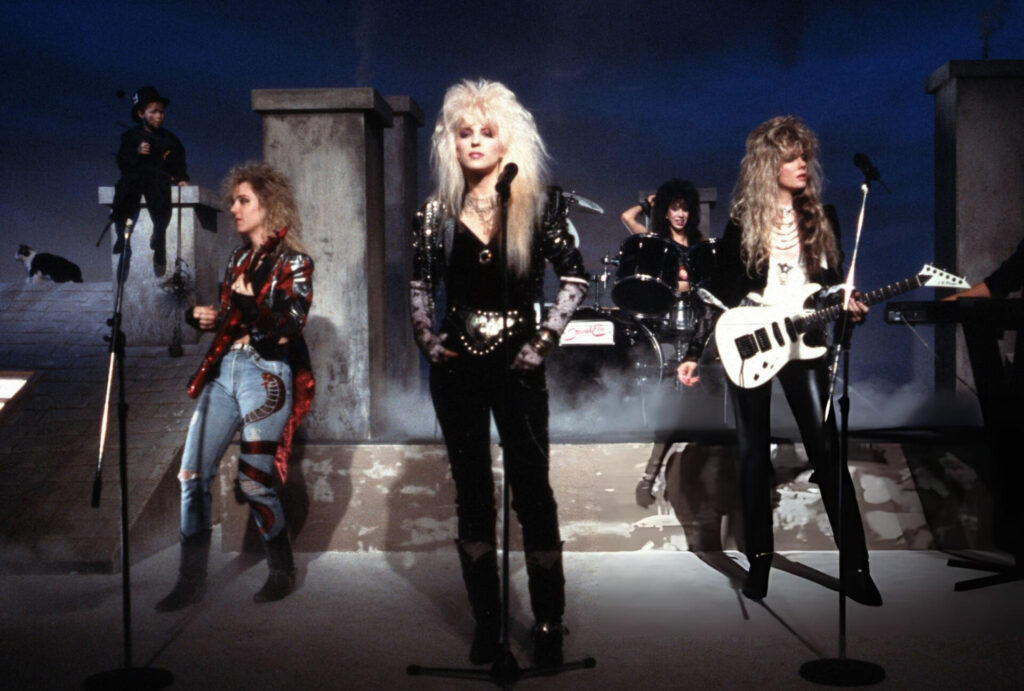
Janet Gardner was born in Juneau in 1962 and fronted Vixen, one of the few all-female hard rock bands to break through during the late 1980s glam metal era. “Edge of a Broken Heart” off their 1988 debut got real radio and MTV traction, and the band toured with KISS, Ozzy Osbourne, Bon Jovi, and Deep Purple. Female-fronted groups were rare on that circuit at the time, which made Vixen’s run more notable than chart positions alone suggest. Gardner has continued releasing music as a solo artist since.
John Luther Adams

John Luther Adams wasn’t born in Alaska but in Mississippi. With music school in California, he moved to the state in the mid-1970s as an environmental activist and stayed for nearly four decades. What Alaska did to his music is hard to overstate. He spent those years composing work shaped almost entirely by the landscape: glaciers, shifting light, seasonal extremes, geologic time.
Become Ocean, premiered by the Seattle Symphony in 2013, won the Pulitzer Prize for Music in 2014 and the Grammy for Best Classical Contemporary Composition in 2015, both in the same cycle, which is genuinely uncommon. Adams left Alaska in 2014, but the body of work he made there is what he’ll be remembered for.
Jason Everman
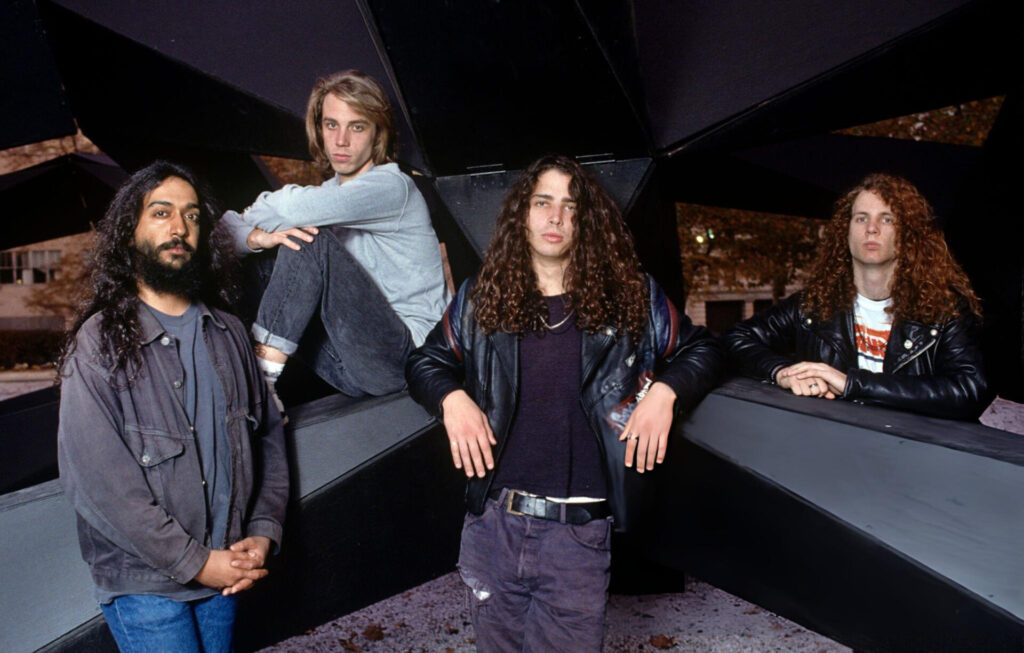
Born on Spruce Island near Kodiak, Jason Everman has one of the stranger résumés in rock. He joined Nirvana in 1989, is credited on Bleach, then left before Nevermind. He briefly joined Soundgarden and then stepped away from music to join the Army as a Ranger, then Special Forces, deployments to Afghanistan and Iraq. After the military, he got into philosophy at Columbia University.
His name surfaces periodically because the shape of it is so unusual: credited on landmark debut albums by two of the most influential bands of the 1990s, then walking away entirely. He’s never made much of it publicly, which somehow makes it more interesting.
Hobo Jim

Jim Varsos was from Indiana, but he came to Alaska in the 1970s and never left. He became the state’s official balladeer, a real designation, and songs like “I Did the Iditarod Trail” played at Iditarod events, state fairs, and community gatherings for decades.
His music was never flashy. It was storytelling about the cold, the wilderness, the kind of person who builds a life somewhere most people wouldn’t last a winter. Hobo Jim died in 2021, and the gap he left in Alaska’s folk community was genuine.
Halie Loren

Halie Loren was born in Sitka in 1984 and grew up with jazz standards, classic country, and soul as early touchstones before finding her own voice as a singer. Her albums have done particularly well in Japan and Canada, and she’s built a following based on the voice itself rather than any commercial machinery behind her.
She represents what tends to get left out of conversations about Alaska and music: a serious jazz and soul tradition running quietly alongside the folk and rock that get most of the attention.
What the State Has Contributed
Alaska’s contribution to music doesn’t fit into a single genre or era. It shows up in Jewel’s folk-pop confessionalism, in Portugal. The Man’s restless experimentation, in John Luther Adams’ Pulitzer-winning orchestral landscapes, and in Hobo Jim’s plainspoken love for the place he called home. These are famous Alaskan artists from genuinely different worlds, and that range is exactly what makes the state’s music scene worth paying attention to.
If you’re curious about where music is heading next, our piece on the future of music and AI generators is worth a read alongside this.