




Alaska telecommunications companies have received billions of dollars in federal broadband subsidies over the past decade, even as the state continues to rank among the slowest internet markets in the United States, according to a new investigation by ProPublica.
The report examined how federal programs intended to improve internet access in remote Alaska communities have distributed massive amounts of public funding while many residents still struggle with outdated and unreliable service.
Alaska Received Billions Through Federal Internet Subsidies
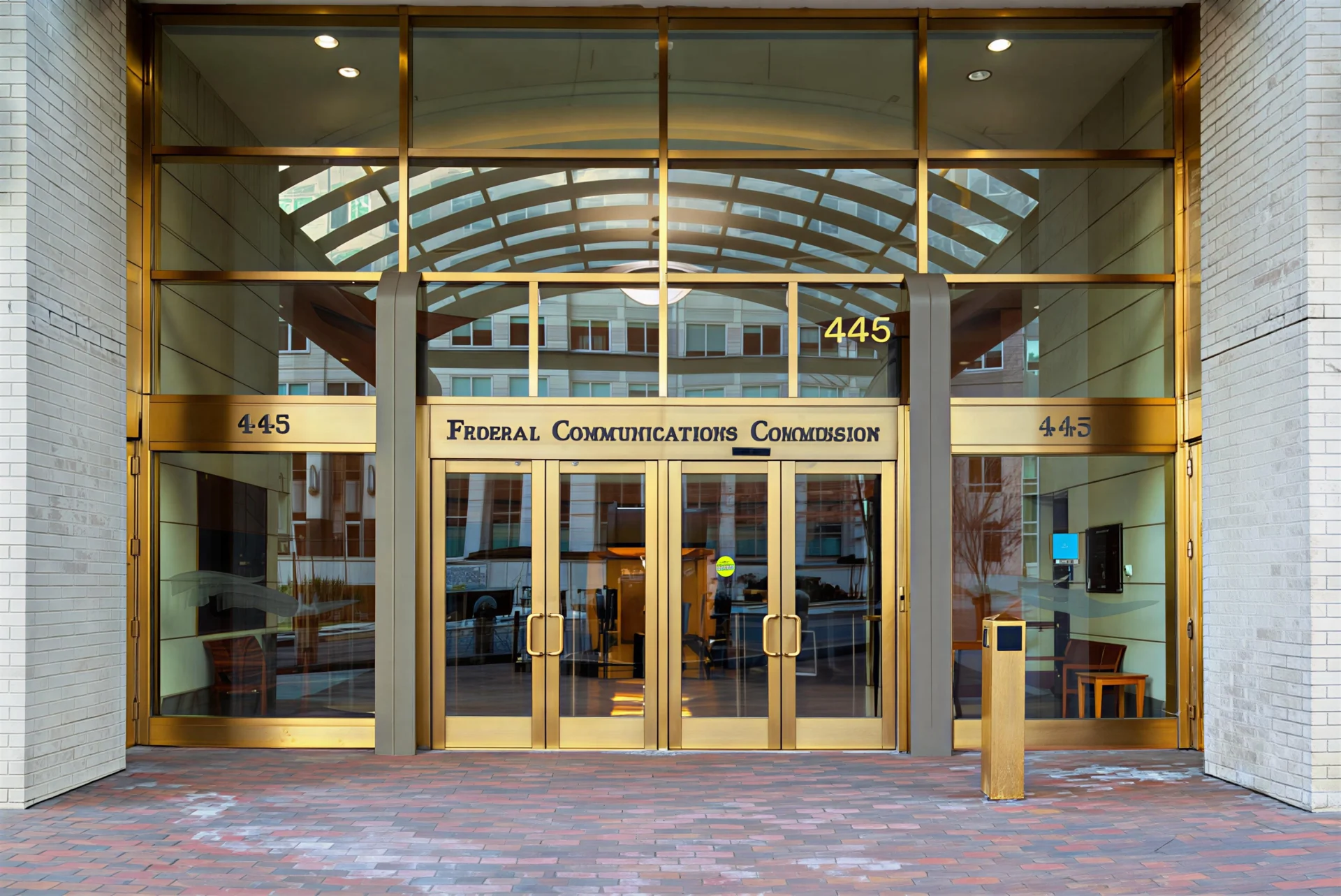
According to the investigation, Alaska telecom providers have received approximately $4.6 billion in federal telecom subsidies since 2016 through programs managed by the Federal Communications Commission (FCC).
The money comes primarily from the federal Universal Service Fund, a nationwide surcharge collected from U.S. phone customers to support communications infrastructure in rural and underserved areas.
The investigation found that despite the enormous investment:
- Alaska still ranks near the bottom nationally for internet speeds
- Some providers continue operating outdated systems
- Residents in many rural communities pay high prices for slow service
Investigation Highlights Controversial Cases
One of the most scrutinized examples involved Summit Telephone, an Alaska telecom company owned by Roger Shoffstall, who previously served prison time for federal tax evasion.
The report states that:
- Summit Telephone still receives more than $1 million annually in federal subsidies
- Some areas receiving subsidies have very small populations
- In certain locations, faster internet alternatives may already exist
The investigation also described situations where companies continued receiving support despite providing internet speeds considered obsolete by modern standards.
Alaska’s Geography Creates Major Broadband Challenges
Telecom providers argue Alaska presents unique obstacles that make broadband expansion unusually expensive.
Challenges include:
- Vast distances between communities
- Mountainous terrain and extreme weather
- Villages accessible only by air or boat
- Limited fiber infrastructure across rural regions
Industry groups have long argued that federal subsidies are necessary to maintain even basic service in remote parts of the state.
Satellite Internet Increasing Pressure on Legacy Providers
The report comes as newer technologies like Starlink expand rapidly across Alaska, offering significantly faster satellite internet service in many rural areas.
Some critics now question whether federal funding programs are adapting quickly enough to changing technology.
The investigation noted concerns that:
- Subsidies may continue supporting outdated systems
- Competition from newer providers is reshaping the market
- Consumers may be paying more while receiving slower service
Americans Nationwide Help Fund the Program
The broadband subsidy system is funded through fees added to phone bills across the United States.
Customers may see these charges listed as:
- Universal Service Fund fee
- Universal Connectivity Charge
- Regulatory recovery fees
The surcharge currently represents a substantial percentage of interstate telecommunications charges, meaning consumers nationwide help finance rural broadband expansion programs.
Why This Matters
Reliable internet service has become increasingly essential for:
- Education
- Telemedicine
- Emergency communication
- Remote work
- Business operations
In Alaska, where many communities are geographically isolated, broadband access can significantly affect economic development and quality of life.
The investigation is likely to intensify debate over:
- How FCC subsidies are distributed
- Whether funding requirements should be modernized
- How quickly rural broadband programs should shift toward newer technologies
Key Insights
- Alaska telecom companies received about $4.6 billion since 2016
- State continues ranking among the slowest internet markets
- Some providers receive subsidies despite outdated service
- Federal funding comes from nationwide telecom fees
- Starlink and newer technologies are disrupting the market
Related Posts
Internet Access and Borrowing: How Connectivity Shapes Online Loan Use
Alaska Legislature Passes Internet Sales Tax to Fund Education Programs
Internet Problems in Villages in Alaska 2025: The Struggle for Connection and Hope for 2030
Alaska Subsea Cable Outage Disrupts Internet Cell Service and State Government Websites
How Internet Connectivity in Bethel, Alaska Boosts the Local Economy?