

Gov. Mike Dunleavy warned Monday that he will immediately call a special legislative session if lawmakers fail to pass a liquefied natural gas bill he says is critical to advancing the long-discussed Alaska LNG project.
The warning came during the final days of Alaska’s regular legislative session as lawmakers debated controversial tax and policy measures tied to the proposed multibillion-dollar gas pipeline project.
Governor Pushes Lawmakers to Act Quickly
Dunleavy has made passage of the Alaska LNG legislation one of the top priorities of his final year in office.
The governor argues the proposed tax restructuring is necessary to make the massive natural gas project financially viable and attractive to investors.
“The reality is simple,” Dunleavy spokesperson Jeff Turner previously said. “Without meaningful tax restructuring, this project will not move forward.”
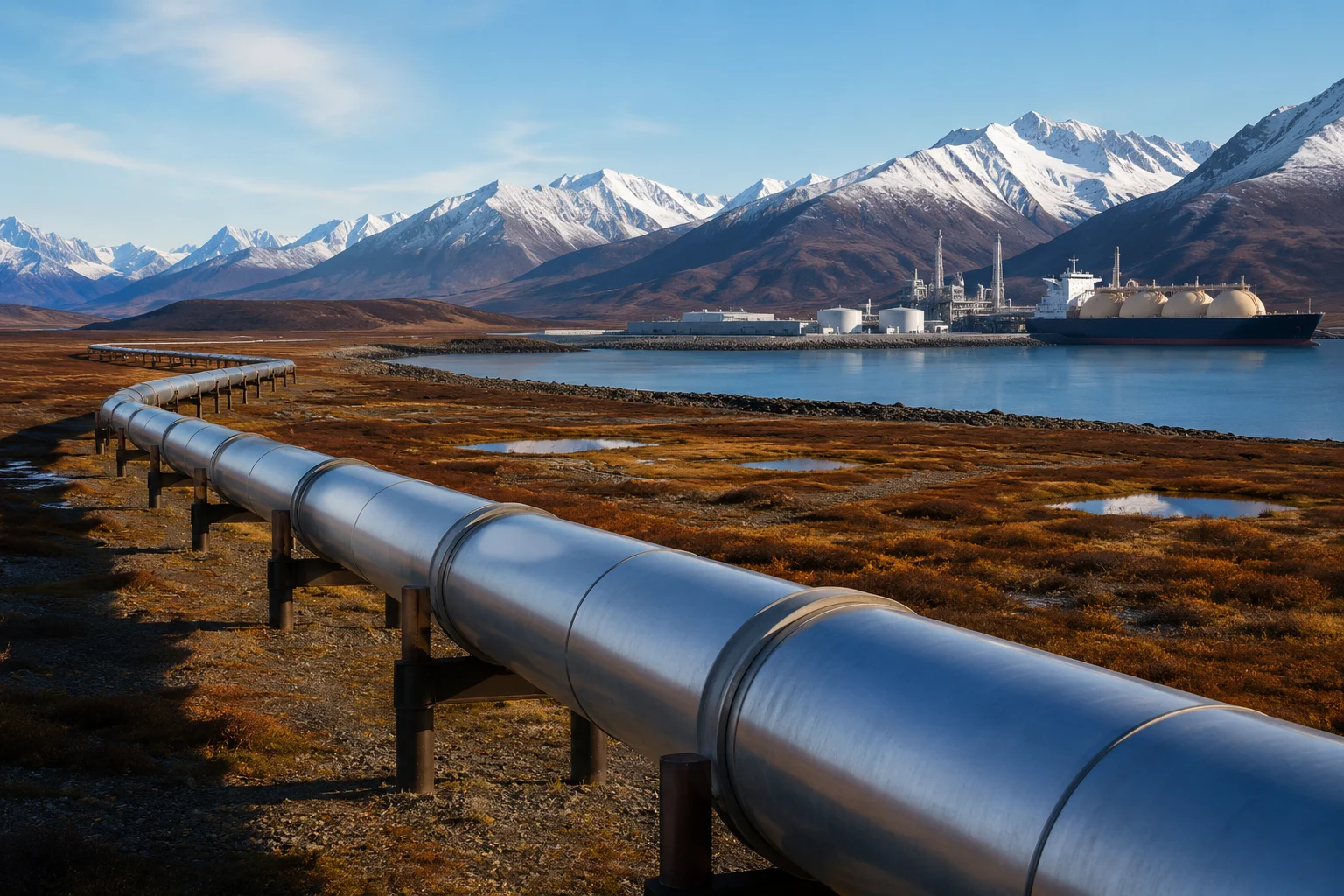
The Alaska LNG project would transport North Slope natural gas through an approximately 800-mile pipeline to Southcentral Alaska and a future export facility, with much of the gas potentially shipped to Asian markets.
Lawmakers Divided Over Tax Breaks
The legislation has sparked intense debate inside the Alaska Legislature because of proposed tax relief for the project.
According to legislative analyses:
- The governor’s original proposal would significantly reduce future property tax revenue tied to the pipeline
- Local governments and some lawmakers fear the state could lose billions in long-term revenue
- Supporters argue lower taxes are necessary to secure private investment
A version debated this week would temporarily exempt portions of the project from property taxes during construction and replace some taxes with a volumetric gas tax system.
Critics in the Senate majority caucus have questioned whether lawmakers have received enough financial information from project developers to justify the incentives.
Special Session Threat Adds Pressure
Dunleavy’s warning about an immediate special session increased pressure on lawmakers as the constitutional deadline for adjournment approached.
Under Alaska law, special sessions can last up to 30 days and are often used to address unresolved budget or policy disputes.
Legislators were already negotiating multiple high-profile issues in the final days of session, including:
- The state operating budget
- Pension reform legislation
- Alaska LNG tax policy
Political observers said the governor’s announcement signaled he is prepared to keep lawmakers in Juneau until action is taken on the gasline legislation.
Pipeline Debate Linked to Pension Bill Negotiations
The LNG bill became intertwined with negotiations surrounding a proposed pension restoration plan for Alaska public employees.
According to lawmakers involved in negotiations, discussions had centered on a broader political compromise involving both issues.
However, that deal appeared to collapse after Dunleavy vetoed the pension legislation Monday night.
House Majority Leader Chuck Kopp said the failed negotiations could make lawmakers less willing to support the gasline proposal moving forward.
Why the Alaska LNG Project Matters
The Alaska LNG project has been discussed for decades as a way to monetize vast North Slope natural gas reserves.
Supporters say the project could:
- Create thousands of construction jobs
- Generate long-term state revenue
- Supply natural gas to Alaskans and export markets
- Strengthen U.S. energy exports to Asia
The estimated cost of the project has been reported at more than $40 billion, making it one of the largest infrastructure proposals in Alaska history.
Background: Long-Running Gasline Debate
Alaska leaders have pursued large-scale natural gas pipeline proposals for decades, but high construction costs and fluctuating global energy markets have repeatedly delayed development.
Dunleavy has strongly backed the project during his administration and has argued that federal support and growing Asian energy demand create a new opportunity for the pipeline to move forward.
The administration recently received a White House letter supporting tax reforms tied to the LNG project.
Key Insights
- Dunleavy says he will call an immediate special session if LNG bill fails
- Lawmakers remain divided over proposed tax incentives
- Alaska LNG project could cost more than $40 billion
- Debate intensified during final days of legislative session
- Pension negotiations became linked to gasline discussions
Related Posts
Alaska LNG Marine Mammal Rule Proposal Raises Concerns
Over 50 Global Companies Show $115B Interest in Alaska LNG Pipeline Investment
Japan Signals Support for $44B Alaska LNG Project Ahead of Major Energy Summit
Worley Selected to Lead Engineering for Glenfarne’s Alaska LNG Pipeline Project
Jera Eyes Alaska LNG Project as Trade Talks Advance
Governor Mike Dunleavy Visits Taiwan to Advance Alaska’s LNG Project
Alaska LNG Pipeline Construction Spurs Push for Interior Spur Line to Lower Costs
Trump Pushes for Alaska LNG Pipeline to Boost Energy Exports