




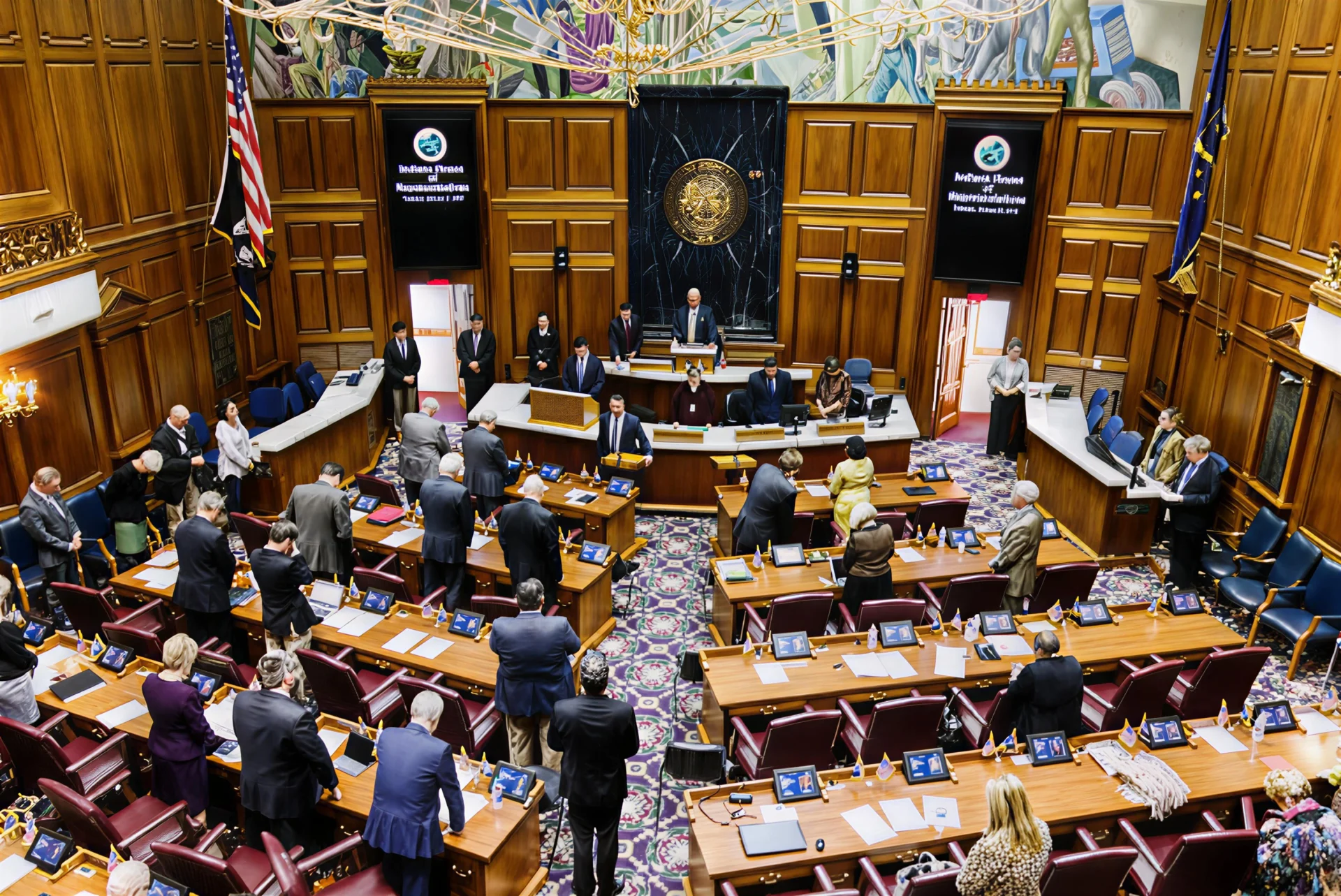
The Republican-led U.S. Senate has once again rejected an effort to limit President Donald Trump’s authority to conduct military strikes against Iran, highlighting deep divisions in Congress over the ongoing conflict.
Details
In a closely watched vote, the Senate rejected a Democratic-led resolution aimed at requiring congressional approval before continuing U.S. military action in Iran.
The measure failed by a 47–52 vote, marking the fourth time this year lawmakers have attempted and failedt o curb Trump’s war powers related to the conflict.
Only one Republican, Senator Rand Paul, supported the resolution, while most Republicans backed the president’s authority to continue military operations.
Importance
The vote centers on a key constitutional issue: who has the authority to declare war.
Under the War Powers Resolution:
- The president can initiate military action
- But Congress must approve continued involvement within 60 days
That deadline is approaching, increasing pressure on lawmakers to decide whether to formally authorize the conflict or force a withdrawal.
Supporters of the resolution argue:
- The war was launched without proper approval
- Congress must reassert its authority
Opponents say:
- The president needs flexibility in national security decisions
- Limiting action could weaken U.S. strategy against Iran
Impacts
The decision impacts:
- U.S. military personnel involved in operations
- Policymakers shaping foreign and defense strategy
- American citizens concerned about escalation
It also has global implications, as the conflict continues to affect energy markets, regional stability, and international relations.
What Happens Next
Despite the failed vote, the issue is far from settled.
Lawmakers are considering:
- Future votes on war authorization
- Potential funding conditions tied to military operations
- Additional resolutions in both the Senate and House
Some Republican senators have signaled they may support formal authorization measures if the conflict continues, rather than allowing indefinite executive control.
Analysis
This vote is less about a single resolution and more about a long-standing tension in U.S. politics: presidential power vs congressional oversight.
While Republicans continue to back Trump for now, the growing number of repeated votes—and rising concerns within both parties—suggest that support may not be unlimited.
The Senate didn’t stop the war, but it showed that pressure is building over who gets to control it.
Related Posts
Trump Orders U.S. Navy to Block Ships in Strait of Hormuz, Escalating Iran Conflict
Iran War Tensions Rise as Ceasefire Falters and Lebanon Violence Escalates Ahead of Talks
Trump Says He Is “Not Happy” With Iran’s Choice of New Supreme Leader
Iran War Intensifies: New Attacks Hit Israel and U.S. Bases as Conflict Enters Sixth Day