
Every climbing season, Mount McKinley attracts adventurers from around the world seeking to stand atop North America’s highest peak. Every year, climbers are reminded that the mountain does not care about experience, preparation, or ambition.
This week, that reminder came in the most devastating way possible.
Three members of a Latvian mountaineering expedition died after a fall near the notoriously dangerous Denali Pass area of Mount McKinley, while a fourth climber survived and was rescued in critical condition. The accident occurred at approximately 18,200 feet, just below the mountain’s summit.
For Alaska’s climbing community, the incident is more than another statistic. It is a sobering example of the risks that remain present even on one of the world’s most famous climbing routes.
A Dream Expedition Turned Into a Rescue Mission
The climbers were part of a seven-person team from Latvia attempting to summit Mount McKinley via the West Buttress route, the mountain’s most commonly used path to the top.
According to the National Park Service, four members of the expedition fell near Denali Pass. One climber was later rescued from a basin at roughly 17,200 feet and transported to a hospital. Recovery operations are now underway for the three climbers who did not survive.
The Latvian Mountaineering Association identified the victims as Inese Pučeka, Vija Olte, and Renārs Kunigs-Salaks. The surviving climber, Mārtiņš Bilzēns, remains in critical condition.
The three remaining members of the expedition were able to assist their fallen teammates before eventually returning to camp and later being evacuated from the mountain.
Why Denali Pass Is Feared by Climbers
For those unfamiliar with high-altitude mountaineering, it is easy to assume that the greatest danger comes near the summit.
The reality is often different.
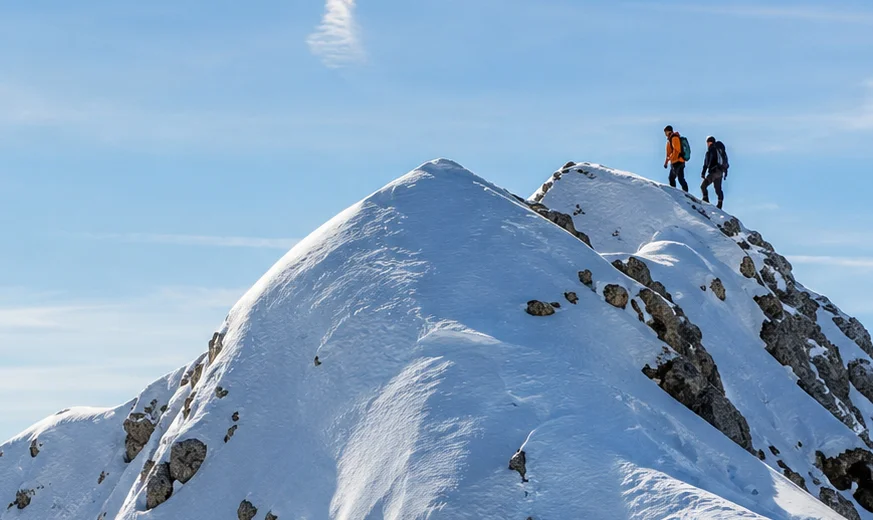
The section between High Camp and Denali Pass contains steep ice, exposed ridgelines, and terrain that offers little room for error. Climbers often face strong winds, rapidly changing weather, extreme fatigue, and altitude-related physical stress at precisely the moment when concentration is most critical.
Many experienced climbers consider this stretch, sometimes referred to as part of the “Autobahn,” one of the most hazardous sections of the entire West Buttress route.
Reddit Review
This is a review from another passenger whose pilot also died falling from the same place.

Experience Does Not Eliminate Risk
One of the most difficult truths in mountaineering is that experience cannot eliminate danger.
The Latvian Mountaineering Association described the victims as accomplished climbers. Yet even skilled mountaineers can find themselves vulnerable when conditions change rapidly at elevations exceeding 18,000 feet.
This is what makes Mount McKinley different from many other mountains. It is not simply its height. It is the combination of altitude, weather, isolation, and terrain that can transform a routine climb into an emergency within minutes.
A Mountain That Continues to Demand Respect
More than 1,000 climbers attempt Mount McKinley each year, but fewer than half typically reach the summit. Over 130 climbers have died on the mountain throughout its recorded climbing history.
Those numbers are not intended to discourage climbers. Instead, they explain why Denali continues to command such respect among mountaineers worldwide.
Unlike many popular peaks, there are few shortcuts when something goes wrong. Rescue operations are difficult, weather-dependent, and often conducted at extreme altitude. As this week’s incident demonstrated, even reaching injured climbers can require complex helicopter operations and highly specialized rescue teams.
More Than a News Story
For many readers, this may appear to be another tragic accident in a remote wilderness.
For the families involved, it is a life-changing loss.
For the climbing community, it is another reminder that success on Mount McKinley is never guaranteed, no matter how carefully a climb is planned.
And for Alaska, it reinforces the reality that while Denali remains one of the state’s greatest natural icons, it is also one of its most unforgiving.
As recovery efforts continue, the focus now shifts from rescue to remembrance of the three climbers who set out to reach the summit and never returned.
This version tends to engage readers more because it combines facts with context and analysis rather than reading like a police report.
Related Posts
Alaskan Climber Balin Miller Dies After Fall from Yosemite’s El Capitan
British Climber Fay Manners Rescued After Harrowing Experience on Chaukhamba Mountain
5 Best Places for Rock Climbing in Alaska With A Complete Guide