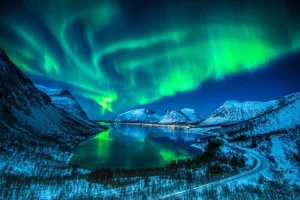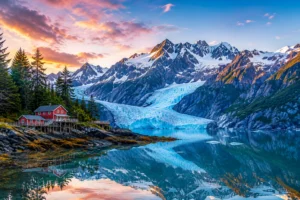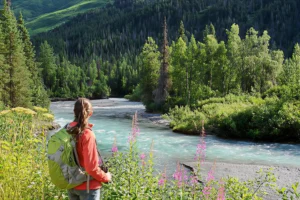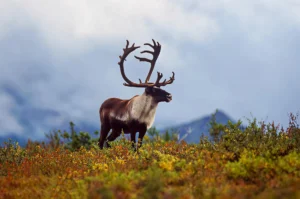

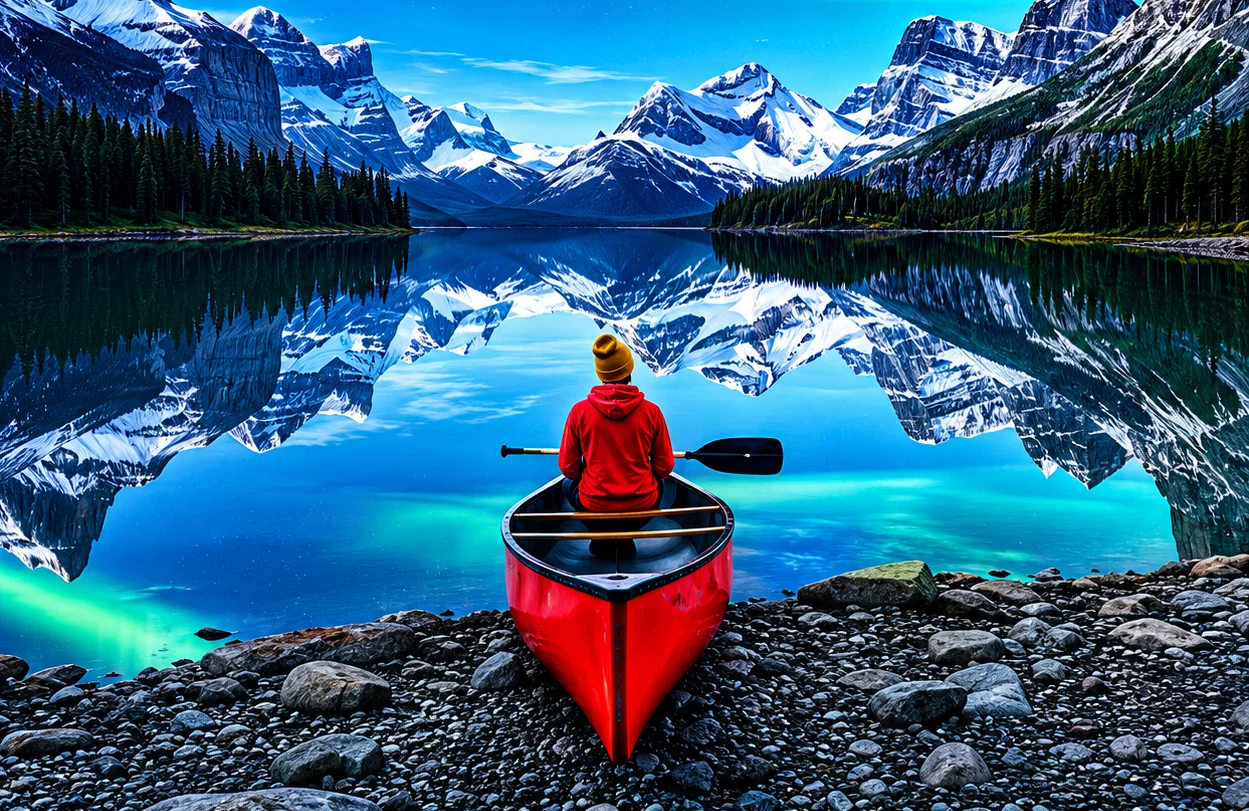
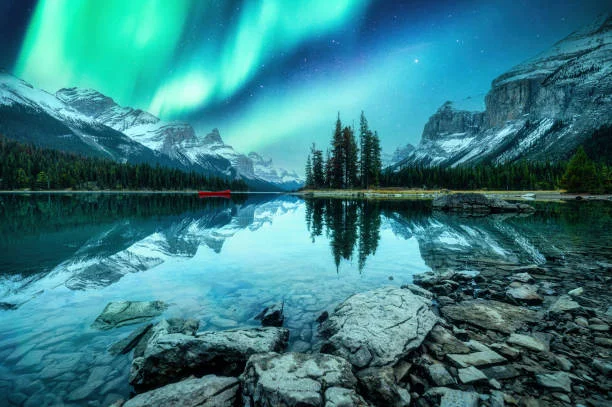
Seeing the Northern Lights is on many travelers’ bucket lists, and few places offer a better opportunity than Alaska. Every year, thousands of visitors travel to the Last Frontier hoping to witness green, purple, and red ribbons of light dancing across the night sky. While the aurora can occasionally be seen in other parts of the world, Alaska combines accessibility, long winter nights, and a prime location beneath the auroral oval, making it one of the best destinations on Earth for aurora viewing.
However, planning an Alaska aurora trip involves more than simply booking a flight and looking up at the sky. Weather conditions, viewing locations, trip length, and seasonal timing all play a major role in determining whether you’ll have a memorable experience or go home disappointed.
This guide covers everything you need to know before planning an unforgettable Northern Lights adventure in Alaska.
Why Alaska Is One of the Best Places to See the Northern Lights
The aurora borealis occurs when charged particles from the sun interact with Earth’s magnetic field. These interactions create colorful displays of light that are most visible near the Arctic Circle.
Alaska enjoys a major advantage because much of the state sits beneath the auroral oval, a ring-shaped region surrounding the North Pole where auroras occur most frequently.
Several factors make Alaska exceptional for aurora viewing:
- Long periods of darkness during winter
- Low levels of light pollution outside cities
- Easy access to aurora-viewing destinations
- Reliable aurora activity throughout the season
- Well-developed tourism infrastructure
Unlike many destinations where travelers must venture deep into remote wilderness, Alaska offers several towns with hotels, restaurants, and guided tours specifically designed around aurora tourism.
Best Alaska Destinations for Aurora Viewing
| Destination | Aurora Viewing Quality | Accessibility |
|---|---|---|
| Fairbanks | Excellent | Easy |
| Chena Hot Springs | Excellent | Easy |
| Murphy Dome | Excellent | Moderate |
| Cleary Summit | Excellent | Moderate |
| Coldfoot | Exceptional | Moderate |
| Wiseman | Exceptional | Difficult |
| Anchorage | Moderate | Very Easy |
| Denali Region | Good | Seasonal |
For most visitors, Fairbanks remains the best overall destination because it offers the ideal combination of accessibility, accommodations, and aurora visibility.
Also Read: Top Places in Alaska to see the Northern Lights
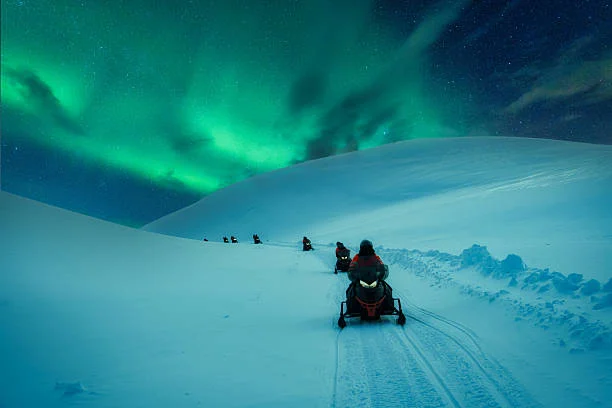
Best Time to Visit Alaska for the Northern Lights
One of the biggest misconceptions is that the Northern Lights can only be seen during the coldest winter months.
Also Read: Chase the Aurora: Best Time to See the Northern Lights
In reality, Alaska’s aurora season generally runs from late August through mid-April.
Alaska Aurora Viewing Calendar
| Month | Viewing Potential |
| August | Good |
| September | Excellent |
| October | Excellent |
| November | Excellent |
| December | Good |
| January | Excellent |
| February | Excellent |
| March | Excellent |
| April | Moderate |
Many experienced aurora photographers consider September and March to be the best months.
During September, temperatures are relatively comfortable, lakes remain unfrozen, and colorful fall landscapes provide beautiful foregrounds for photographs.
Reddit Review

A traveler shares his review on reddit about whats the best time to see Northern Lights.
March offers longer daylight hours, generally clearer weather, and strong auroral activity associated with the spring equinox.
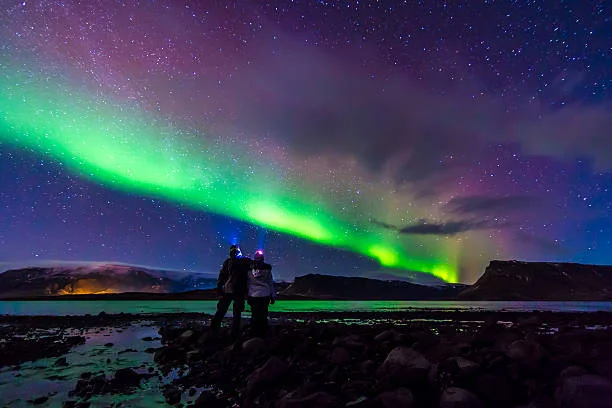
How Many Days Should You Spend on an Alaska Aurora Trip?
If your primary goal is seeing the Northern Lights, weather becomes your biggest challenge.
Even if aurora activity is strong, cloud cover can completely block visibility.
For this reason, experienced travelers rarely recommend trips shorter than three nights.
Recommended Trip Length
| Length of Stay | Recommendation |
| 1–2 Nights | Not Recommended |
| 3 Nights | Minimum |
| 4 Nights | Good |
| 5–7 Nights | Ideal |
A five-night stay significantly increases your chances of encountering both clear skies and strong aurora activity.
Fairbanks: Alaska’s Aurora Capital
If I could only recommend one destination for first-time visitors, it would be Fairbanks.
Located approximately 198 miles south of the Arctic Circle, Fairbanks sits directly beneath the auroral oval and experiences hundreds of nights suitable for aurora viewing each year.
What makes Fairbanks especially attractive is that visitors don’t need to sacrifice comfort for visibility.
The city offers:
- International airport access
- Luxury hotels
- Aurora lodges
- Photography tours
- Winter activities
- Restaurants and shopping
Many visitors use Fairbanks as their primary base and then travel to nearby viewing locations when forecasts are favorable.
Chena Hot Springs: Aurora Viewing With a Twist
About 60 miles northeast of Fairbanks sits Chena Hot Springs Resort, one of Alaska’s most famous aurora destinations.
The combination of natural hot springs and Northern Lights viewing creates a unique experience that attracts visitors from around the world.
Popular activities include:
- Outdoor hot springs
- Aurora observation tours
- Ice Museum visits
- Dog sledding
- Snowmobiling
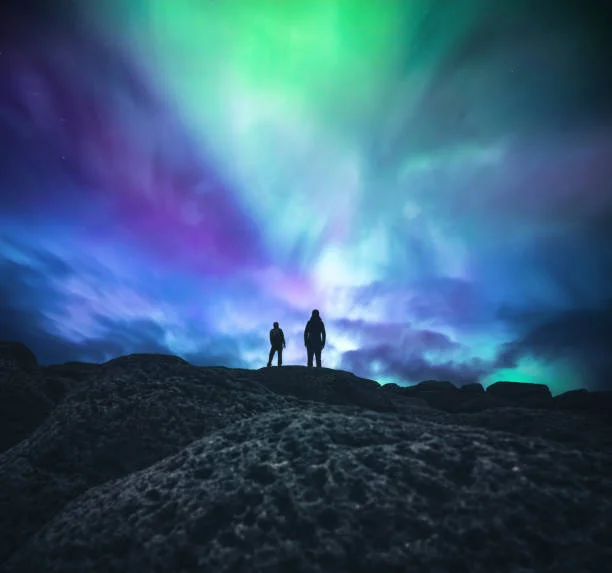
Many travelers consider Chena Hot Springs one of the highlights of their entire Alaska trip.
Understanding Aurora Forecasts
Before your trip, you’ll likely encounter references to the KP Index.
The KP Index measures geomagnetic activity on a scale from 0 to 9.
KP Index Explained
| KP Value | Aurora Strength |
| 0–2 | Normal activity |
| 3–4 | Strong |
| 5–6 | Very Strong |
| 7–9 | Major geomagnetic storm |
The good news is that Fairbanks often sees auroras even at lower KP levels because of its favorable location beneath the auroral oval.
Many first-time visitors mistakenly think they need a KP 7 storm. In reality, clear skies are often more important than extremely high KP values.
What to Pack for an Alaska Aurora Trip
Temperatures during aurora season frequently drop below freezing, particularly from December through February.
Proper clothing is essential.

Recommended Clothing
- Thermal base layers
- Insulated winter jacket
- Snow pants
- Wool socks
- Insulated boots
- Warm gloves
- Hat or balaclava
- Hand warmers
Photographers should also bring spare camera batteries because cold temperatures drain batteries much faster than normal.
Final Thoughts
An Alaska aurora trip is one of the most memorable travel experiences available in North America. With proper planning, realistic expectations, and enough nights to account for weather, your chances of seeing the Northern Lights can be excellent.
For most travelers, Fairbanks remains the best starting point. Combine it with nearby destinations such as Chena Hot Springs, monitor aurora forecasts, and plan a stay of at least four to five nights.
Patience is often rewarded in Alaska. When the sky finally lights up with swirling greens, purples, and reds overhead, you’ll understand why so many visitors describe witnessing the Northern Lights as a once-in-a-lifetime experience.