



Disclaimer: This article is for informational purposes only and should not be considered medical advice. For personalized health concerns or treatment decisions, consult a qualified healthcare professional.
For a long time, most people didn’t really think about well-being as a part of their lives. Health was simple, in a way; you were fine, or you weren’t. If something went wrong, you fixed it. Then you moved on.
Now, well-being is considered a lifelong process that determines the way people choose to live, work, and age. To live a good quality of life, people create routines and habits that keep them emotionally and socially healthy. Energy, stress levels, sleep, mental clarity, relationships… they are now all part of daily conversations.
How the Concept of Well-Being is Changing
Many studies have found in recent years that the idea of health has become broad. It’s not just diet and exercise anymore. People are thinking about burnout. About screen time. About anxiety. Even about whether their daily routine is sustainable in the long run.
If you peruse YouTube, Instagram, or TikTok, you can see millions of videos about healthy living. People are posting wellness shots, gym habits, daily activities, regular health checks, and mental health tips. This all shows that health has become a very important part of our everyday lives.
How Well-being Changes With Life
Most of us think that if we have adopted a wellness routine, we need to continue it for the rest of our lives. That’s not necessarily true. We don’t stay the same throughout our lives.
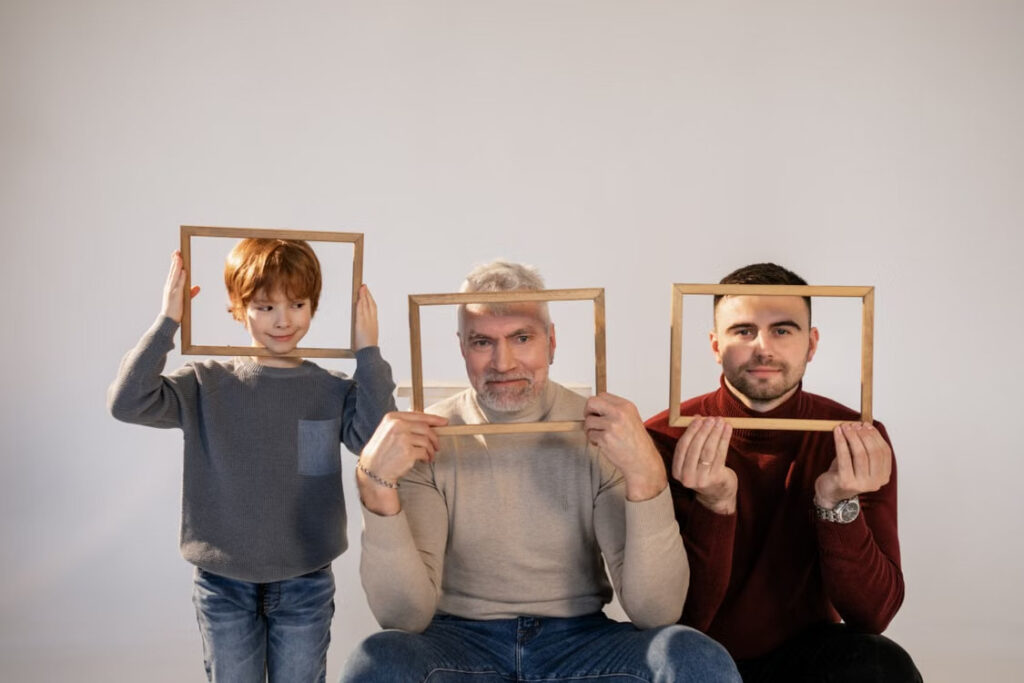
In childhood, well-being mostly means safety, support, and development. While in the early adulthood stage, our lives revolve around education, a job, and making something of ourselves. There’s a different kind of stress that comes with responsibilities.
In contrast, when we’re old, our responsibilities diminish, and we can relax, lounge around in the house, look after our grandchildren, or spend time with our neighbours. Life is more at peace, but now, our health is the biggest concern.
At every stage of life, well-being has different definitions, and it shouldn’t be treated the same.
Everyday Habits To Build Long-Term Health
If you look closely at how people actually try to improve their well-being, it’s not usually dramatic changes. It’s small things. Sleeping a bit earlier. Walking more. Trying to reduce stress. Drinking more water. Taking breaks from screens. None of this sounds revolutionary, but over time, it adds up.
People are adopting regular microhabits to improve their overall lifestyle. Before, we always thought we needed to give our all to improve our lives, but now, people are more aware that extreme routines might do more damage than good. They find something they can actually maintain. Therefore, building small but regular life habits benefits them more.
Mental and Emotional Health
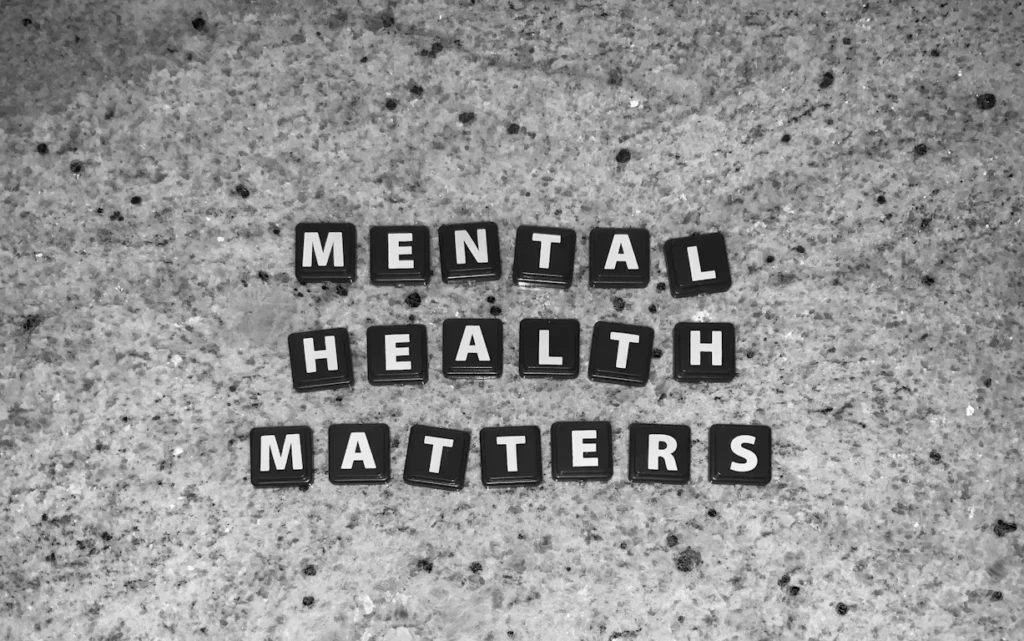
Just a few decades ago, people refused to seek mental healthcare for fear of judgment. Societies didn’t support it, and people ended up suffering all alone. Fortunately, that mindset and perception have changed for good.
Stress and burnout are everywhere, and they’re not just in extreme cases. It’s in everyday life. Work pressure, constant notifications, financial concerns, it all builds up slowly and worsens without proper help.
This may be the reason why mental health has naturally become a center of the conversation. People now openly talk about stress, anxiety, or depression, and they’re not afraid of judgment when they seek help. Some use therapy. Some use mindfulness. Some just try to slow down where they can or share things with their family.
The approach is different for everyone, but the goal is practically the same.
How Systems Are Adapting
It’s interesting to see that this shift isn’t only personal. Systems are changing as well, even if slowly.
The healthcare industry has introduced many areas that focus solely on prevention and early awareness rather than treatment. They are designing more structured and long-term care models, like the adult-gerontology primary care nurse practitioner program, which prepares future nurses to care for adults and the aging population in a continuous, holistic manner.
Apart from healthcare, workplaces are also adjusting. They are now offering mental health support, flexible schedules, and wellness programs for their employees to keep them in their best mental and physical states.
The education system has also evolved and now pays more attention to the well-being of students than to performance results. Although it’s still weak in many countries and states, at least we know that change is happening.
Role of Technology in Lifelong Well-Being
Our grandparents never really focused on their health, that is, until things went awry. But that’s not the case for us. Recent data show that in most developed regions, more than 80% of people monitor their health and diets regularly.
Do you see the shift?
Advanced technology is one of the biggest causes of recent changes in health trends. Technologies like wearables, health apps, and online consultations have all made health more accessible to people. We don’t need to book appointments with doctors to get our daily vitals checked. We can check our heart rate, breathing rate, blood sugar, stress levels, and sleep patterns easily with smart watches.
Sometimes it adds pressure, too. But overall, it’s changing the relationship people have with their own health.
How Social Connection Improves Quality of Life
Even with all the technology, health tracking, and lifestyle changes, there’s something that keeps affecting your well-being, i.e., your social connections and relationships.
Hundreds of research studies support the idea that people with strong social connections live a better and often, longer life. And it’s not surprising. When we have people to talk to, trust, and rely on, we stay happier and full of life.
Unfortunately, social connections are losing their charm and depth due to our busy routines. Life is faster now. Expectations are higher. People are constantly stressed. And all of it makes it difficult to keep up with relationships.
Despite this, it’s good to see that with the rise of the well-being trend, people are also making conscious efforts to rekindle their social connections. Hopefully, in the near future, we’ll see better relationship trends in our society.
In the end, is lifelong well-being really becoming a focus today? Definitely.
However, it’s not like we suddenly have everything figured out. It’s more that we’ve started to think differently. Health and well-being have become a regular part of their lives, and that’s moving things towards betterment.