

Last week, a magnitude 7.5 earthquake devastated Venezuela. Our hearts go out to the people left homeless and those coming to grips with lost loved ones. As seismologists, it’s an uncomfortable responsibility we carry to learn from these events to minimize similar tragedies here. One lesson, too common, is that Caracas was not built to survive earthquakes of this scale; that level of shaking has not been felt in generations.
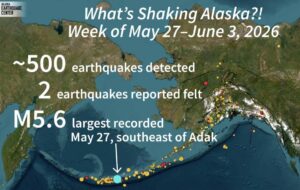
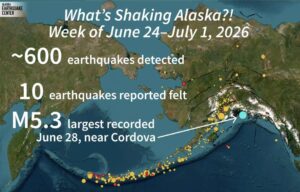
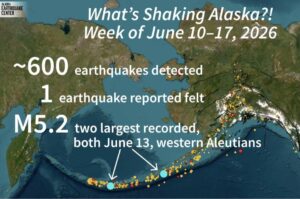
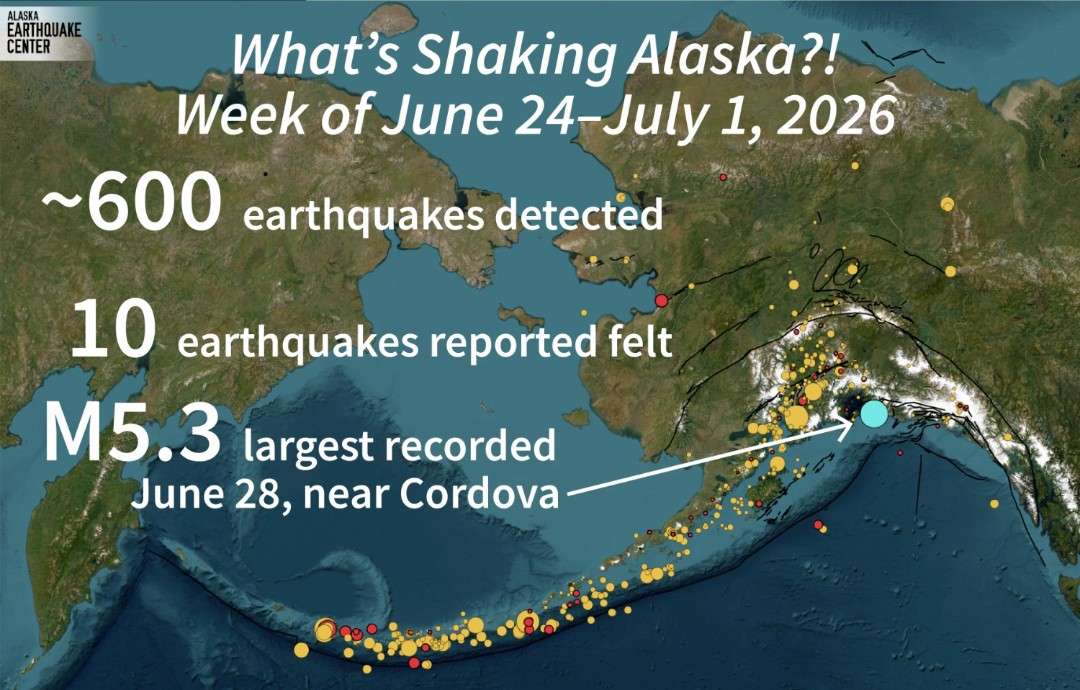
Here in Alaska, in the past week, minor earthquake shaking was felt in Fairbanks, North Pole, Mat-Su, Anchorage, Kenai, Homer, and elsewhere. This was a typical set of modest earthquakes and did no damage.
But these run-of-the-mill quakes help us forecast where to expect bigger ones. For example, scientists estimate that the probability of violent shaking in Caracas is roughly the same as in Juneau, Kotzebue, or Kaktovik. That probability is a bit higher in Fairbanks and is significantly higher through Southcentral and the Aleutians.
These shaking estimates impact the design of every public building, bridge, and port. They influence major infrastructure projects, drive building codes, and impact home insurance rates. By estimating future shaking, we can build in earthquake safety where we need it, while not wasting resources where we don’t. The events in Venezuela are a heart-wrenching reminder of what happens when we either misestimate the hazard or we don’t construct accordingly.
Weekly updates provide information on recent earthquakes and earthquake hazards in Alaska. You can find more, as always, at earthquake.alaska.edu.