



Reliable power distribution is the backbone of every modern facility. Industrial plants, commercial buildings, and data centers depend on efficient electrical systems to maintain safe and continuous operations.
Managing this distribution effectively requires the right infrastructure, particularly panel boards and switchgear, which form the foundation of power management and protection. These systems ensure electrical energy is properly routed, controlled, and safeguarded against overloads or faults, promoting both operational stability and safety.
What are Panel Boards?
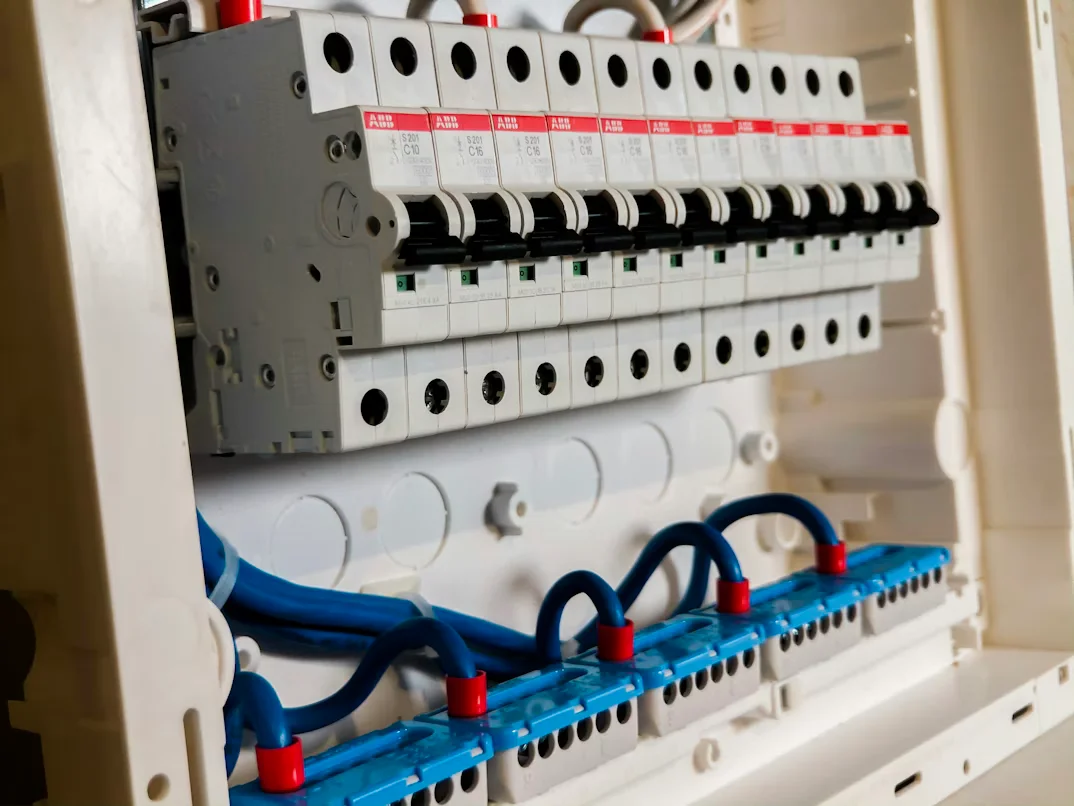
A switchboard, also called a power distribution panel, is a key component in power systems that performs the core function of distributing electric energy. Its basic role is to route the connected main power supply to all downstream power consumption circuits, and it is applied across three mainstream use scenarios: residential buildings, commercial spaces, and industrial plants.
Beyond its basic power distribution function, it is also equipped with additional monitoring and protection functions, which can effectively prevent common power use safety hazards such as short circuits and electrical fires.
The Role of Switchgear in Power Distribution
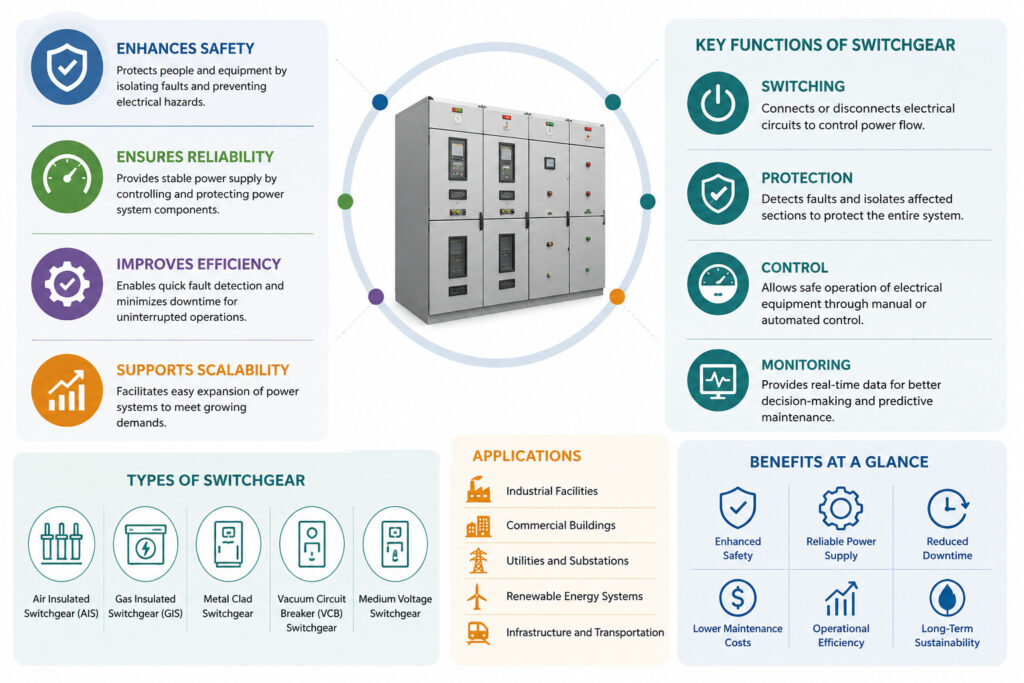
While panel boards manage downstream circuits, switchgear controls and protects the overall electrical network. It includes equipment such as disconnect switches, circuit breakers, and protective relays used to isolate faults and ensure an uninterrupted power supply.
Switchgear serves as the first line of defense in power systems. When a fault or overload occurs, it can detect abnormalities and automatically disconnect the affected section to keep the rest of the system operating normally. It is critically important for high-risk industries, where even a momentary power outage would
cause high shutdown costs or equipment damage. High-voltage switchgear is used in power transmission and distribution grids, while low-voltage switchgear is applied in buildings, manufacturing facilities, and processing plants. Both types must be equipped with electrical instrumentation and control devices to ensure reliable operation and meet safety and compliance requirements.
Key Differences Between Panel Boards and Switchgear
While panel boards and switchgear serve complementary roles, they differ in their functions and applications:
- Purpose: Panel boards and switchgear are two core types of power equipment: the former is responsible for distributing
- Voltage Range: Panel boards with multiple power circuits only support low-voltage applications, use circuit breakers or fuses to provide
- Protection Mechanism: Panel boards for overcurrent protection and is installed in terminal operation areas; the latter undertakes control and protection for higher-level power
- Maintenance and Accessibility: Panel board systems are compatible with both high and low voltages, adopt advanced protection relays, and is located in dedicated equipment rooms or substations.
Ensuring Safety and Efficiency in Power Systems
To maximize reliability, panel boards and switchgear must be properly designed, installed, and maintained. Routine inspection helps identify issues such as loose connections, insulation degradation, or overload conditions before they escalate into serious faults.
It’s also essential to employ modern electrical devices such as sensors, meters, and relays that enhance real-time visibility and control. Integrating these tools ensures efficient load management, reduced downtime, and a contribution to a safer working environment.
Shaping the Future of Safe and Efficient Power Systems
To design and deploy reliable panel boards and switchgear systems, it is essential to draw on the professional expertise of trusted electrical solution providers. Partnering with leading electrical brands grants access to advanced equipment, engineering
capabilities, and sustained technical support. Robust power distribution grids rely heavily on the performance of these two types of hardware, which form the core of electrical safety and efficiency. Currently, amid industrial expansion and surging power demand, smart systems that integrate both protective functionality and operational visibility
have become an unavoidable requirement. By collaborating with renowned brands to integrate innovative technologies, one can build future-adapted, efficient, safe, and resilient power systems.