



Disclaimer: This article is for general informational purposes only and is not intended as medical, psychological, or professional advice. Readers should consult qualified professionals or relevant experts before making decisions regarding children’s health, fitness, or participation in sports programs.
School holidays are a much-anticipated break for children, but they often present a significant challenge for parents. Balancing professional work commitments while ensuring kids remain engaged, safe, and active can be a highly demanding task. Without the set daily routine of the classroom, many young people naturally gravitate towards digital devices and television screens for their primary source of entertainment. In fact, only 35.6% of children aged 2–5 meet recommended screen time limits, meaning most exceed healthy levels. This growing reliance on screens during term breaks highlights the increasing importance of finding structured physical activities. Organised community sports and active camps offer a highly practical solution, transforming idle holiday time into an exciting opportunity for both physical growth and essential social development.
Combating the Sedentary Holiday Trap
The transition from a highly structured school environment to weeks of entirely free time often leads to a sharp and noticeable increase in recreational screen time. While technology undoubtedly plays an important role in modern education and entertainment, excessive and unmonitored use can negatively impact a child’s physical health, sleep patterns, and mental well-being. Health experts and pediatricians consistently emphasise the critical need for daily movement to ensure healthy bodily growth and cognitive development. In fact, according to the official physical activity guidelines, children and young people should accumulate at least 60 minutes of moderate to vigorous physical activity each day.
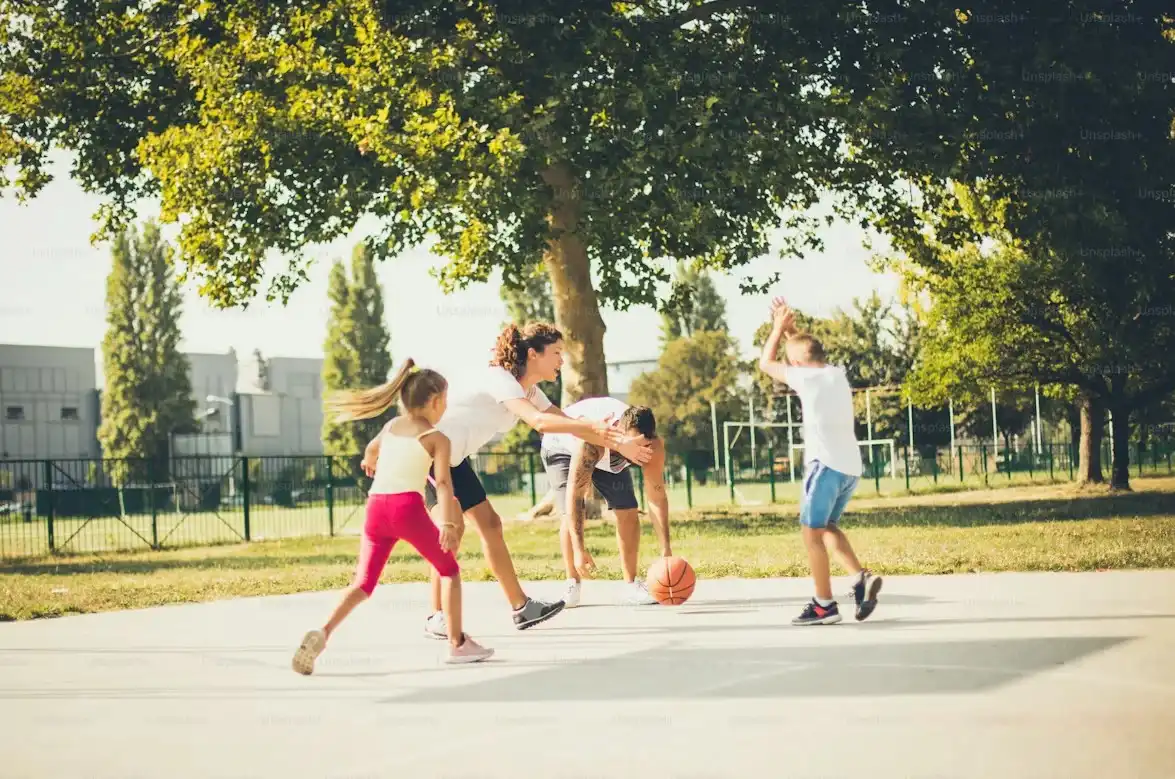
Achieving this recommended target requires planning from parents, particularly during the long summer and winter vacation periods. Dynamic sports are repeatedly noted as excellent ways to strengthen muscles and limit screen time. For parents looking to cultivate crucial interpersonal skills in a fun and encouraging setting, enrolling children in a basketball holiday program provides an ideal balance of healthy physical exertion and collaborative team-building exercises. This effectively combats the common sedentary habits that can easily form during long school breaks.
Developing Social Confidence and Teamwork
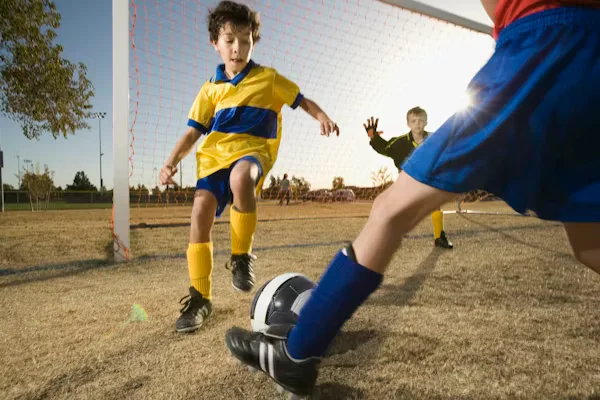
Beyond the highly publicised physical benefits, structured holiday activities are instrumental in developing vital social skills that children carry with them for life. When children participate in group sports, they actively learn how to communicate effectively, resolve minor conflicts, and work alongside peers from widely diverse backgrounds. Learning how to navigate these team dynamics early on provides children with a distinct advantage as they mature. These supportive environments foster a genuine sense of belonging and help build lasting self-esteem, which often translates into improved academic focus. Engaging in team sports teaches young participants the value of cooperation, patience, and resilience. Participating in a shared goal, such as executing a successful play or supporting a teammate during a tough game, encourages empathy and collective problem-solving. These are essential character qualities that are just as important in the academic classroom as they are on the competitive sports court.
Laying the Foundation for Future Success
The habits and routines formed during early childhood often dictate long-term athletic and personal trajectories. Children who participate in structured sports from a young age are statistically much more likely to maintain an active, health-conscious lifestyle well into adulthood. They understand the fundamental importance of cardiovascular health, mobility, and proper nutrition. Furthermore, the dedication, focus, and discipline learned through early coaching can pave the way for higher-level athletic achievements down the road. Local clubs and associations provide the necessary framework for young athletes to safely test their limits and discover their unique talents. The teamwork and commitment fostered in local community youth leagues frequently serve as the vital starting point for competitive athletes. This steady progression from grassroots participation to elite performance is a common theme in the local stories featured on The Tundra Drums, highlighting how early foundational training and dedicated practice become the essential building blocks for future team success and individual opportunities.
Key Advantages of Organised Vacation Activities
Choosing the right holiday activity for a child involves understanding the multifaceted benefits that these structured environments consistently provide. While unstructured, informal play in the backyard is certainly valuable, organised sports camps deliver specifically targeted developmental outcomes.
- Consistent Routine: Scheduled activities help maintain a comforting sense of normalcy and structure during the holidays. This makes the eventual transition back to the school term much smoother for both parents and children.
- Expert Guidance: Trained coaches and facilitators provide safe, age-appropriate instruction. They help children master new physical skills and coordination without the unnecessary risk of injury.
- Mental Wellbeing: Regular, vigorous exercise releases endorphins in the brain. These chemicals are scientifically proven to reduce anxiety, lower stress, and improve a child’s overall mood and emotional regulation.
- New Friendships: Group activities naturally bring together children from different local schools and neighbourhoods. This expands their social circles and teaches them how to comfortably interact with entirely new people outside their usual peer groups.
A Proactive Approach to Holiday Parenting
Maximising the true value of school holidays does not mean filling every single hour with rigidly scheduled tasks, but rather finding a healthy, sustainable balance between restful downtime and active engagement. By prioritising structured community sports, parents can confidently ensure their children reap the vast physical and psychological rewards of regular, guided exercise. These programs accomplish significantly more than just keeping kids busy while parents are at work. They actively build resilient, confident, and physically healthy young individuals who are well-equipped to handle the daily challenges of both competitive sports and everyday life. Ultimately, investing the time and resources in finding the right holiday activity is a direct investment in a child’s long-term health and personal development.