




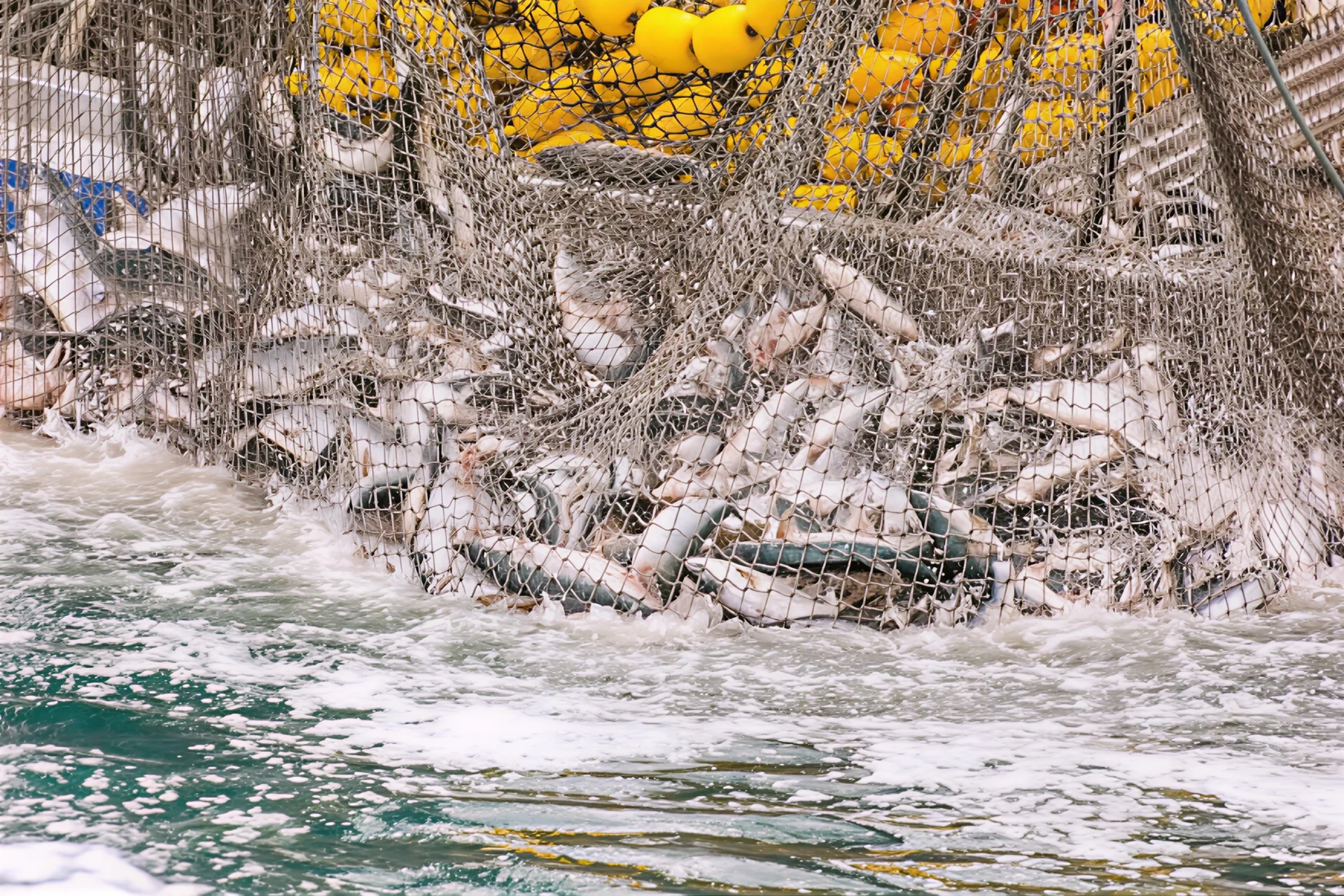
State biologists are projecting a significant decline in Alaska’s commercial salmon harvest for 2026, with total catches expected to fall well below last year’s levels, largely due to a sharp drop in pink salmon returns.
According to the Alaska Department of Fish and Game’s annual forecast, the statewide commercial harvest is expected to reach about 125.5 million fish, a steep decrease from over 197 million salmon harvested in 2025.
Pink Salmon Decline Drives Overall Drop
The primary reason behind the reduced forecast is a major decline in pink salmon, the most abundant species in Alaska’s fisheries. Biologists estimate that around 56–60 million pink salmon will be harvested in 2026, roughly half of last year’s total.
Pink salmon follow a unique two-year life cycle, which often results in alternating strong and weak runs. Fisheries experts say 2025 was a strong “odd-year” return, while 2026 reflects the expected downturn in this cycle.
State officials noted that this even-odd pattern has become increasingly pronounced in recent years, creating significant year-to-year fluctuations in harvest volumes.
Other Salmon Species Also Expected to Dip
While pink salmon account for most of the projected decline, other species are also expected to see modest reductions:
- Sockeye salmon: 49.7 million (down from 52.7 million in 2025)
- Chum salmon: 17.2 million (down from 21.7 million)
- Coho salmon: 2.4 million (down from 2.7 million)
- Chinook salmon: 197,000 (slightly lower than last year)
Overall, non-pink salmon harvests are expected to numbers remain relatively stable compared to historical averages.
Bristol Bay Remains a Key Producer
Despite the statewide decline, Bristol Bay is expected to remain the backbone of Alaska’s sockeye salmon industry. The region is forecast to produce about 33.5 million fish, continuing its role as one of the world’s largest sockeye fisheries.
However, even Bristol Bay’s numbers are slightly below some recent peak years, reflecting broader variability across Alaska’s fisheries.
Economic and Industry Impact
The reduced harvest could have ripple effects across Alaska’s fishing industry, which is a major economic driver for coastal communities.
In 2025, Alaska’s commercial salmon industry saw strong performance, with high harvest volumes contributing to increased revenues. A decline of nearly 70 million fish year-over-year may tighten supply, particularly for lower-cost pink salmon products.
Industry analysts note that while total volume is down, market dynamics could shift, potentially increasing demand and value for higher-priced species like sockeye.
Forecast Uncertainty Remains
Biologists emphasize that salmon forecasts are not exact predictions. Environmental conditions, ocean survival rates, and fishing effort can all influence final harvest numbers.
Even with the projected decline, officials say the 2026 season still falls within the range of typical variability seen in Alaska’s long-term salmon harvest trends.
A Cyclical but Crucial Fishery
Alaska’s salmon fis
ery remains one of the most important and carefully managed in the world, supporting commercial, subsistence, and recreational fishing sectors.
While 2026 is shaping up to be a lower-volume year, experts stress that such fluctuations are part of the natural cycle of salmon populations, and a reminder of the delicate balance between ecology and industry.
Related Posts
US Lawmaker Calls for Hard Caps on Chum Salmon Bycatch in Alaska
ADF&G Releases 400,000 King Salmon Smolt at Eklutna Tailrace
This Shallow Creek in Alaska Is So Full of Salmon It Looks Unreal
Alaska Projects Massive 2025 Salmon Harvest as Pink and Sockeye Surge
Louisiana Man Killed in Alaska Helicopter Crash Near King Salmon, Authorities Investigate
Appeal Hearing Set for Southeast Alaska King Salmon Troll Fishery Decision