

A massive landslide-triggered tsunami in Alaska is drawing renewed attention from scientists, who warn that climate change is increasing the risk of similar extreme events across the Arctic.
The event, which occurred in August 2025 in Southeast Alaska’s Tracy Arm fjord, generated a towering wave that reached approximately 481 meters (1,578 feet), making it one of the largest tsunamis ever recorded.
A Rare but Powerful Natural Event
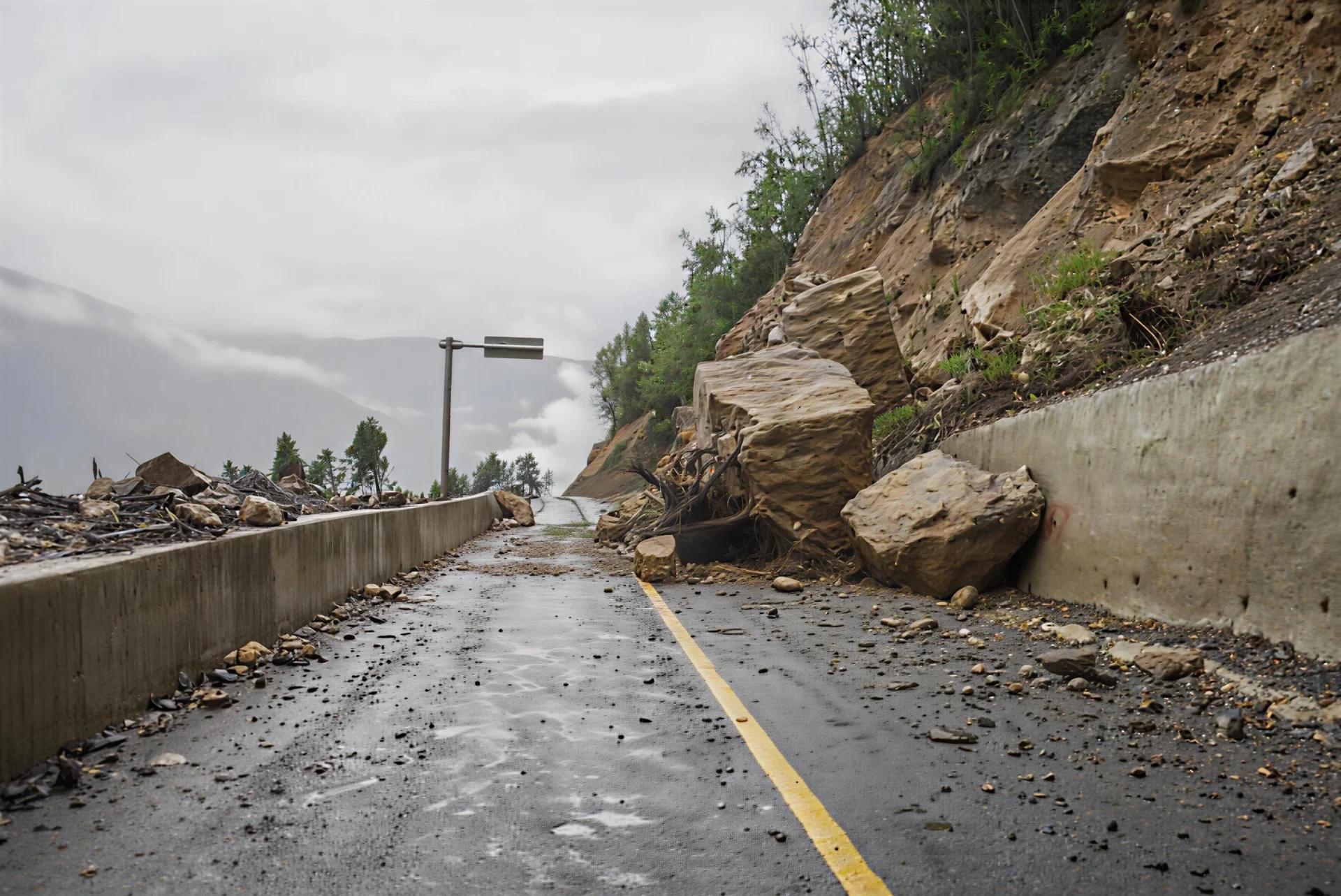
Researchers say the tsunami was caused by a sudden landslide in which tens of millions of cubic meters of rock collapsed into the fjord within minutes.
The impact displaced enormous volumes of water, creating a localized but extremely high wave that stripped vegetation from steep fjord walls and sent water surging across the area.
Unlike earthquake-generated tsunamis, this type of event is highly concentrated but can reach extreme heights in narrow coastal areas.
Climate Change Linked to Increased Risk
Scientists have linked the landslide to environmental changes driven by warming temperatures in the Arctic.
Key factors include:
- Retreating glaciers removing natural support from mountain slopes
- Thawing permafrost weakening rock stability
- Increased water infiltration into slopes
As glaciers shrink, they expose unstable terrain that becomes more vulnerable to collapse, raising the likelihood of landslide-driven tsunamis.
Experts warn that similar risks are increasing across northern regions as the Arctic continues to warm faster than most parts of the world.
Near Miss in a Busy Tourist Area
The tsunami struck early in the morning when few vessels were present, avoiding casualties. However, the location is a popular cruise destination, raising concerns about what could happen during peak tourism hours.
In recent years, Alaska has seen a surge in cruise traffic, with visitor numbers rising significantly placing more people in areas where such hazards could occur.
Scientists describe the event as a “near miss,” highlighting the potential danger to both tourists and local communities.
Why This Matters
The findings suggest that climate-driven geological hazards may become more frequent in Arctic regions.
Implications include:
- Increased risk for coastal communities and tourism zones
- Need for improved monitoring of unstable slopes
- Greater importance of early warning systems
Researchers say understanding these risks is essential as human activity expands in vulnerable areas.
Key Insights
- Tsunami reached 481 meters, among the highest ever recorded
- Triggered by a massive landslide in Tracy Arm fjord
- Linked to glacier retreat and permafrost thaw
- Considered a “near miss” in a high-traffic tourist area
Related Posts
Cruise Lines Skip Tracy Arm Excursions After Massive Landslide Raises Safety Concerns
Massive Landslide In Southeast Alaska Sparks Small Tsunami
Deadly Landslides in Ethiopia: At Least 102 Killed and Many Are Missing After Hillsides Collapse
Record Rainfall Triggers Devastating Floods and Landslides in Ishikawa, Japan
Landslide in Ketchikan Forces Road Closure, Strands Travelers