



Browsing: News
Get the latest updates and in-depth coverage from Alaska and around the USA. Stay informed with breaking headlines, top stories, and insightful reporting that keeps you connected to the world of current events and essential news.
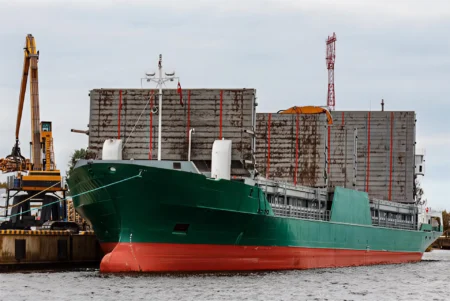
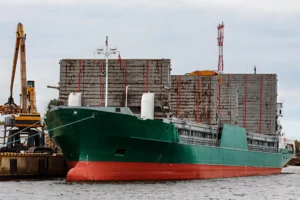
A Russian cargo ship that mysteriously sank off the coast of Spain after multiple explosions may have been carrying nuclear…

The Fairbanks North Star Borough School District plans to take the State of Alaska to court following a contentious dispute…

A pilot injured in a fiery plane crash near Knik Glacier earlier this month remains hospitalized in Seattle with severe…
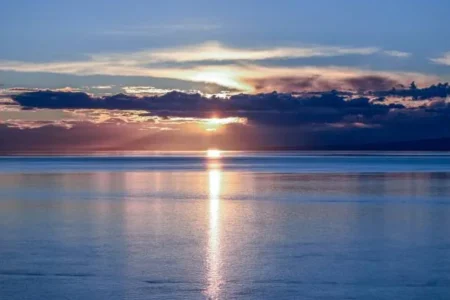
Residents of Utqiagvik, Alaska’s northernmost city, have officially entered the annual period of the “midnight sun,” when the sun no…

Former U.S. Rep. Mary Peltola has unveiled a new “affordability” campaign platform as she intensifies her challenge against incumbent Republican…
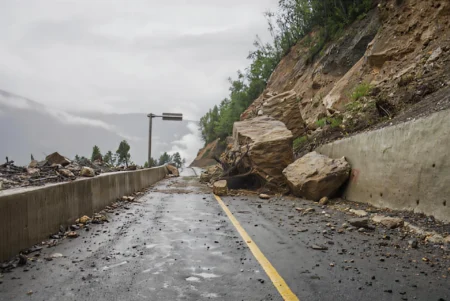
A massive landslide-triggered tsunami in Alaska is drawing renewed attention from scientists, who warn that climate change is increasing the…
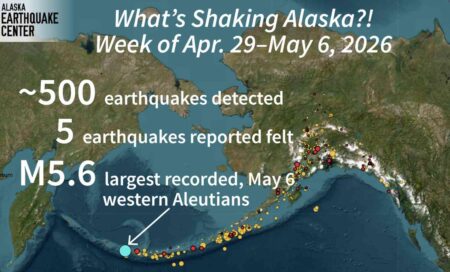
Alaska —Here’s your seismic update from across the state for the week of May 6, brought to you by the Alaska…
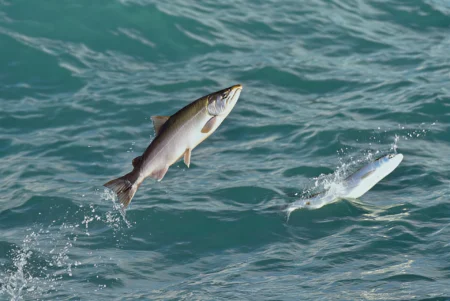
The Alaska Seafood Marketing Institute has been awarded more than $10 million in federal grant funding to expand international marketing…
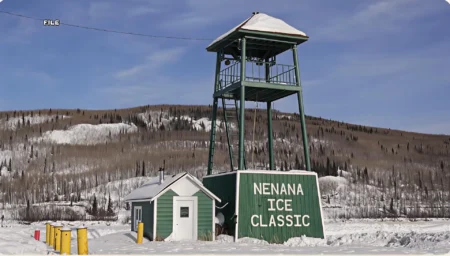
The long-awaited spring breakup of the Tanana River has officially arrived after the iconic tripod used in the Nenana Ice…

Alaska officials and communities are observing Missing and Murdered Indigenous People Awareness Day on May 5, highlighting the ongoing crisis…
Thursday evening, April 30, Candidate for Governor Shelley Hughes announced retired U.S. Air Force veteran Brigadier General Blake Gettys of…

The Alaska Legislature has approved a major bill to revive a public pension system for state and local government employees,…
