

Browsing: News
Get the latest updates and in-depth coverage from Alaska and around the USA. Stay informed with breaking headlines, top stories, and insightful reporting that keeps you connected to the world of current events and essential news.
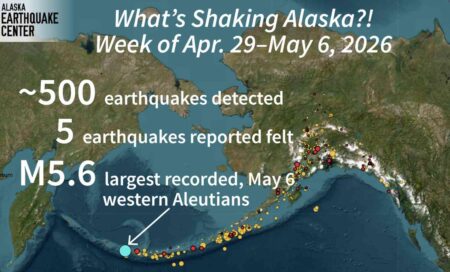
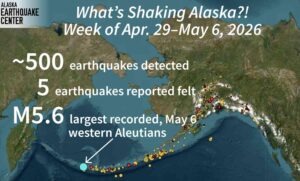
Alaska —Here’s your seismic update from across the state for the week of May 6, brought to you by the Alaska…
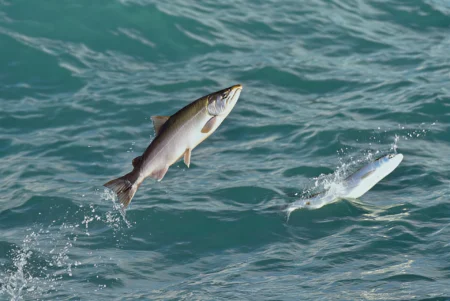
The Alaska Seafood Marketing Institute has been awarded more than $10 million in federal grant funding to expand international marketing…
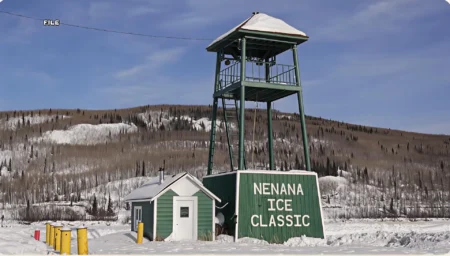
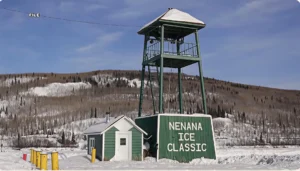
The long-awaited spring breakup of the Tanana River has officially arrived after the iconic tripod used in the Nenana Ice…

Alaska officials and communities are observing Missing and Murdered Indigenous People Awareness Day on May 5, highlighting the ongoing crisis…
Thursday evening, April 30, Candidate for Governor Shelley Hughes announced retired U.S. Air Force veteran Brigadier General Blake Gettys of…
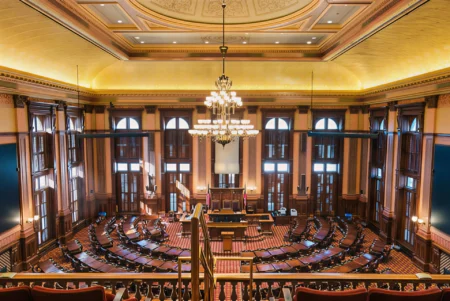
The Alaska Legislature has approved a major bill to revive a public pension system for state and local government employees,…
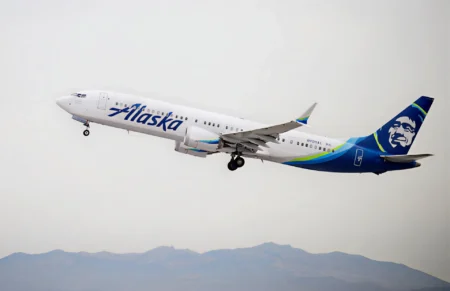
Alaska Airlines is expanding its regional footprint in Washington state with new service to Wenatchee, strengthening air connectivity for a…

Alaska Airlines could soon introduce free high-speed Starlink Wi-Fi on its flights, a move that would significantly upgrade onboard connectivity…

The Anchorage Assembly has selected Anna Brawley as its new chair following the city’s recent municipal election, marking a leadership…
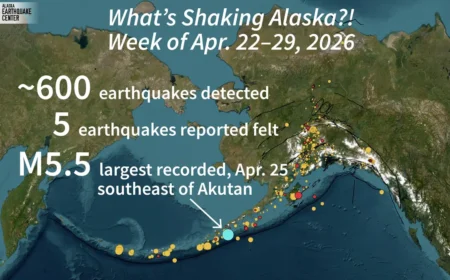
ANCHORAGE, Alaska —Welcome to your seismic update from across the state for the week of April 29, brought to you…

Alaska Airlines has officially entered the transatlantic market, launching its first-ever nonstop flight between Seattle and Rome, marking a major…

The U.S. Department of Labor is seeking a federal court order to compel access to a gold mine near Fairbanks…
