


In most of the United States, locking your front door is an automatic habit. In many parts of Alaska, especially rural towns and remote villages, that habit simply does not exist. It is not uncommon to find homes, cabins, and even vehicles left unlocked.
To outsiders, this can sound reckless. In reality, it is a behavior shaped by Alaska’s geography, climate, community structure, and long-standing cultural values. Understanding why many Alaskans don’t lock their doors requires looking beyond crime statistics and into how daily life actually works in the far north.
Have questions about this story?Ask Tundra for more details, context, or updates.
Do Alaskans Lock Their Doors? The Short Answer
Yes and no.
In Alaska’s larger cities, many people do lock their doors, especially at night or when away. In small towns, villages, and remote areas, leaving doors unlocked is still common. The practice depends heavily on location, population density, and lifestyle.
This distinction is important because Alaska is not a single uniform environment. It contains modern cities, isolated villages, seasonal cabins, and communities accessible only by air or water.
Alaska’s Low Population Density Creates Natural Security
One of the biggest reasons Alaskans leave doors unlocked is simple math. Alaska is the least densely populated state in the U.S. Many communities have only a few hundred residents, sometimes fewer.
In these places:
- Everyone knows who belongs there
- Unfamiliar faces are noticed immediately
- Daily routines are visible and predictable
This lack of anonymity reduces opportunistic crime. In small communities, theft is not just a legal issue; it is a social one. Reputation matters, and consequences last.
When everyone knows each other, a locked door adds little extra protection.
Community Trust Is a Core Part of Alaskan Life
Trust is not a luxury in Alaska. It is a survival tool.
For generations, Alaskans have relied on neighbors during emergencies, storms, medical issues, and equipment failures. This has created a culture where community trust replaces constant suspicion.
Leaving a door unlocked signals:
- You belong here
- You trust your neighbors
- Help is available if someone needs it
In many villages, locking your door all the time can even feel unusual or unfriendly. Social accountability often works better than physical security.
Extreme Weather Changes What “Safety” Means
One of the most overlooked reasons many Alaskans don’t lock their doors is the climate.
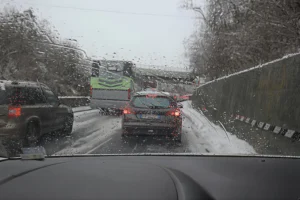
Alaska’s winters are severe. Temperatures can drop well below −30°F, storms can isolate entire communities, and travel plans can change in minutes. In these conditions, exposure can be more dangerous than crime.
Unlocked doors allow:
- Immediate shelter for someone stranded by the weather
- Quick access for neighbors during emergencies
- Safer movement during storms or power outages
In Alaska, a locked door can sometimes be a hazard rather than protection.
Also Read: 10 Best Natural Hair Care Tips for Alaska’s Harsh Winters
Why Locks Are Often Impractical in Rural Alaska
Daily life in rural Alaska is highly physical and outdoors-focused. Many residents move in and out of their homes constantly to:
- Chop firewood
- Check equipment
- Feed animals
- Clear snow
In winter, locks freeze. Gloves make keys difficult to use. Losing a key in deep snow or ice can mean being locked out in dangerous conditions.
From a practical standpoint, leaving doors unlocked reduces risk, not increases it.
Is It Safe to Leave Doors Unlocked in Alaska?
This is one of the most searched questions related to this topic.
The honest answer: it depends on where you live.
In rural areas and villages
- Property crime is relatively low
- Community awareness is high
- Unlocked doors are common and culturally accepted
In larger cities
- Locking doors is more common
- Crime patterns are similar to those of the U.S. cities
- Security habits vary by neighborhood
Most Alaskans adjust their behavior based on location, time of day, and season.
Alaska Cabins and the Tradition of Unlocked Shelters
Another reason people associate Alaska with unlocked doors comes from cabin culture.
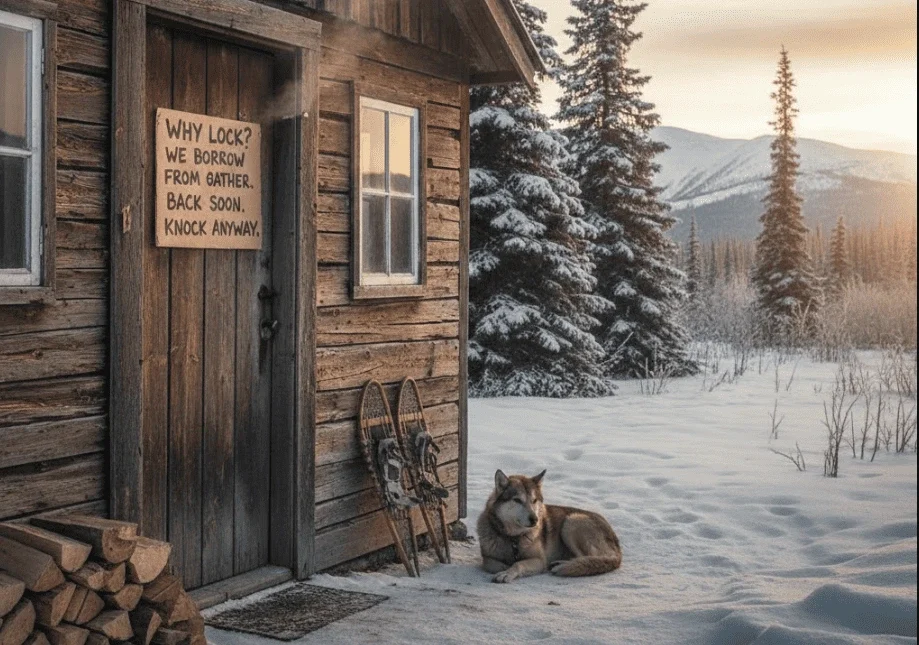
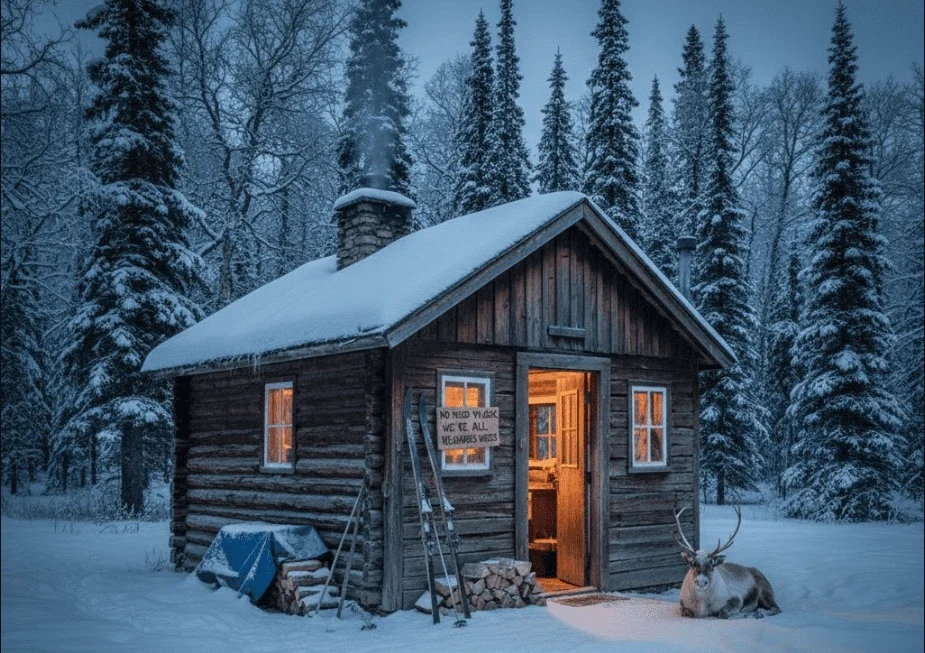
In remote parts of the state, many cabins are intentionally left unlocked for emergency use. The unspoken rule is simple: if you use it, respect it. Clean up, replace supplies if possible, and leave it ready for the next person.
This tradition reflects Alaska’s long-standing belief that human safety comes before property concerns.
Common Myths About Alaska’s Unlocked Doors
Myth: It’s illegal to lock your door in Alaska
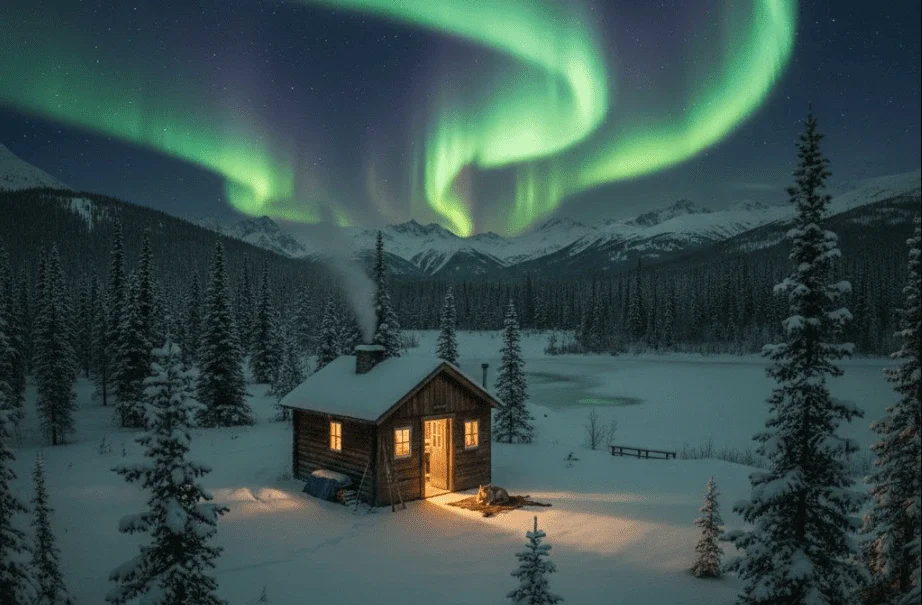
There is no law requiring homes or vehicles to be unlocked. This is a persistent myth with no legal basis.
Myth: Alaska has no crime
Crime exists, particularly in urban areas. The difference is how risk is managed in smaller communities.
Myth: Everyone in Alaska leaves doors unlocked
Door-locking habits vary widely depending on location, population, and personal experience.
Why This Tradition Is Slowly Changing
Like many cultural practices, this one is evolving.
Factors influencing change include:
- Population growth in urban areas
- New residents from the Lower 48
- Increased use of security technology
- Shifts in lifestyle and work patterns
Many Alaskans now lock doors at night or when traveling, but keep them unlocked during the day. The practice is adapting rather than disappearing.
What Unlocked Doors Say About Alaska
At its core, this habit reflects how Alaskans see the world.
It is not about ignoring danger. It is about understanding which dangers matter most in a place shaped by isolation, extreme weather, and mutual dependence.
Leaving doors unlocked says:
- Community matters
- Trust is earned and protected
- Survival often depends on cooperation
In an era driven by fear and distance, this small detail offers a powerful insight into Alaska’s culture.
Quick Summary Table
| Question | Alaska Reality |
| Do Alaskans lock their doors? | Sometimes, depending on the location |
| Is it safe to leave doors unlocked in Alaska? | Often in rural areas, less so in cities |
| Why do Alaskans leave doors unlocked? | Trust, weather, practicality, community |
| Is it a law or a requirement? | No |
| Is the practice changing? | Yes, slowly |
Final Thought
Why many Alaskans don’t lock their doors cannot be explained by crime rates alone. It is the result of geography, climate, tradition, and a deep reliance on one another. In Alaska, safety is often defined not by locks and alarms, but by awareness, responsibility, and community trust.
FAQs
Do Alaskans really leave their doors unlocked?
Yes, many Alaskans leave their doors unlocked, especially in rural towns and remote villages. This practice is based on strong community trust, low population density, and practical needs during extreme weather. However, in larger cities, door-locking habits are more similar to the rest of the United States.
Why do Alaskans leave their doors unlocked?
Alaskans often leave doors unlocked due to community trust, harsh weather conditions, and practicality. In emergencies, unlocked doors can provide immediate shelter or access to help. In small communities where everyone knows each other, social accountability reduces the risk of theft.
Is it safe to leave your door unlocked in Alaska?
It can be safe in rural areas where crime rates are lower, and communities are close-knit. In cities like Anchorage or Fairbanks, locking doors is more common due to higher population density. Safety depends largely on location, neighborhood, and local crime patterns.
Is it illegal to lock your door in Alaska?
No, there is no law in Alaska that requires residents to leave their doors unlocked. This is a common myth. Locking or unlocking your door is a personal choice, and laws related to property security are the same as in other U.S. states.
Do people leave their cars unlocked in Alaska, too?
In some rural areas, yes. Vehicles may be left unlocked for convenience, to prevent frozen locks, or to allow access in emergencies. In urban areas, however, most people lock their cars just as they would elsewhere in the U.S.
Why does Alaska’s weather affect door-locking habits?
Extreme cold can freeze locks and make keys difficult to use while wearing gloves. Being locked out in subzero temperatures can be dangerous. Leaving doors unlocked reduces the risk of being stranded outside during harsh weather conditions.
Do Alaskans lock their doors at night?
Some do, especially in cities or when traveling. In small towns and villages, many residents still leave doors unlocked overnight. Others follow a mixed approach by locking doors at night but leaving them unlocked during the day.
Are unlocked doors common in rural Alaska only?
Unlocked doors are far more common in rural Alaska than in cities. Small villages, off-grid homes, and remote cabins often follow this tradition, while urban and suburban areas tend to use standard security practices.
Why are Alaskan cabins often left unlocked?
Many remote cabins are intentionally left unlocked for emergency use. This long-standing tradition allows stranded travelers to find shelter during storms or extreme cold. Users are expected to respect the space and leave it clean and secure afterward.
Is this tradition changing in Alaska?
Yes. As Alaska’s population grows and more people move from the Lower 48, door-locking habits are changing. Modern security systems, urban expansion, and lifestyle shifts have made locking doors more common, especially in populated areas