





Disclaimer: This article is for general informational purposes only. Wheel specifications and suitability vary by vehicle. Always follow manufacturer guidelines and consult a qualified automotive professional before making wheel-related decisions.
Wheels do much more than complete a vehicle’s look. They carry the vehicle’s weight, absorb road impacts, support braking forces, and directly affect handling and safety. Poor wheel selection can lead to vibration, premature wear, reduced control, or even structural failure. Understanding how design and strength work together allows drivers to choose wheels that deliver reliability, performance, and long-term satisfaction.
Have questions about this story?
Ask Tundra for more details, context, or updates.
Why Wheel Design Is More Than Just Appearance
The aesthetic and structural performance of the wheel is affected by its design. Spacing, thickness, and layout of spokes determine how forces are transmitted to the wheel during cornering, braking, and acceleration. Some models are stiffer than others, using thicker (or strengthened) spokes for rigidity, with more open spoke patterns to aid airflow and help dissipate heat from brakes under heavier load. Brands such as Hostile Wheels show how different materials are engineered to meet specific driving demands, highlighting the importance of matching material choice to vehicle use and environment.
It’s a good-looking wheel, but you don’t need to trade looks for engineering. Lightweight designs can be very attractive, but inadequate reinforcement is more likely to bend or crack — particularly when riding on rough roads or during hard use. This is why the vehicle’s intended use should be considered in the design.
Material Choice and Its Effect on Strength
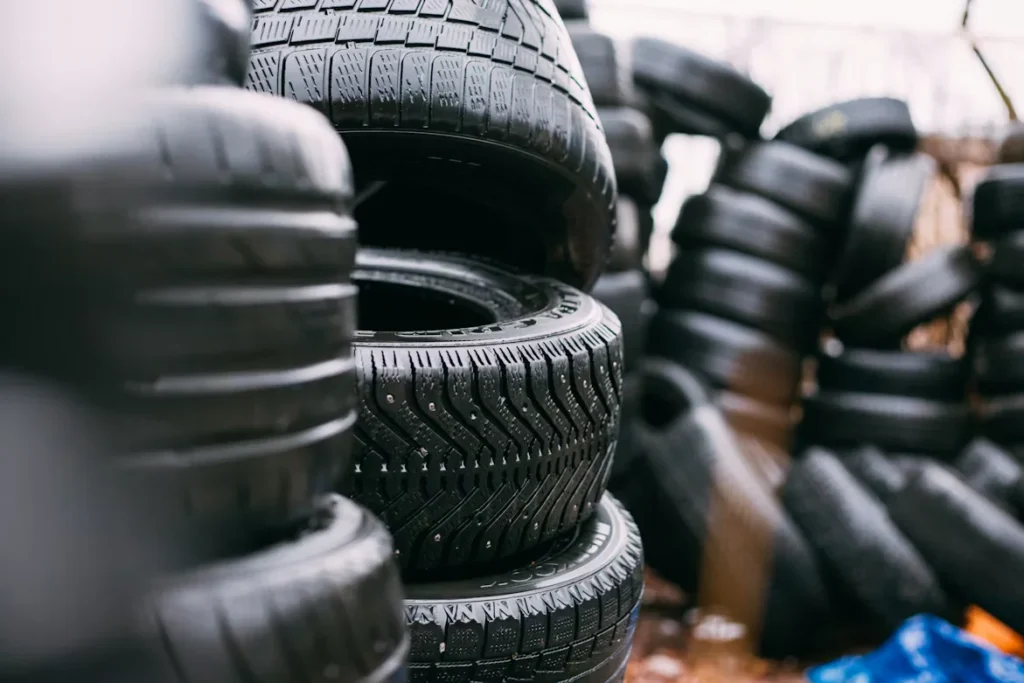
The selection of materials is crucial in determining wheel longevity and how it performs. Alloy wheels are nowadays common due to the combination of performance and stylish appearance. Lighter weight can also contribute to lower rolling resistance, better handling, and improved gas mileage, making them appropriate for most passenger cars.
Steel wheels are slightly heavier but highly resilient, resisting impacts better without cracking. This is quite common among commercial vehicles in winter driving conditions, where road damage is often present. The right material also depends on how the car is driven and the kind of exposure it receives, not just appearance.
Understanding Load Rating and Weight Capacity
Every wheel has a specified load rating indicating the maximum weight it can safely support. This rating must accommodate the vehicle’s curb weight, passengers, cargo, and any additional accessories. For many passenger vehicles, individual wheel load ratings typically range between 1,400 and 2,500 pounds, depending on size and construction.
Ignoring load ratings can result in wheel deformation, fatigue cracks, or sudden failure. A safe approach is to choose wheels with load ratings that meet or exceed manufacturer requirements, ensuring long-term structural integrity and consistent performance.
How Manufacturing Methods Affect Reliability
The process used to create a wheel will largely determine its strength and weight. Forging is the process of compressing a billet of solid metal between massive rollers, which generate tremendous pressure and help align the material’s grain structure. This is how a lighter, much stronger wheel is made, perfect for high-performance applications or towing heavy loads.
Though often less expensive and more plentiful, cast wheels are made by pouring liquid metal into a mold. While contemporary casting techniques have evolved over the years to meet a higher quality standard than in decades past, cast wheels typically weigh more and do not achieve the same strength as their forged counterparts. The method to use depends on the required performance, budget, and driving environment.
The Role of Wheel Size and Width
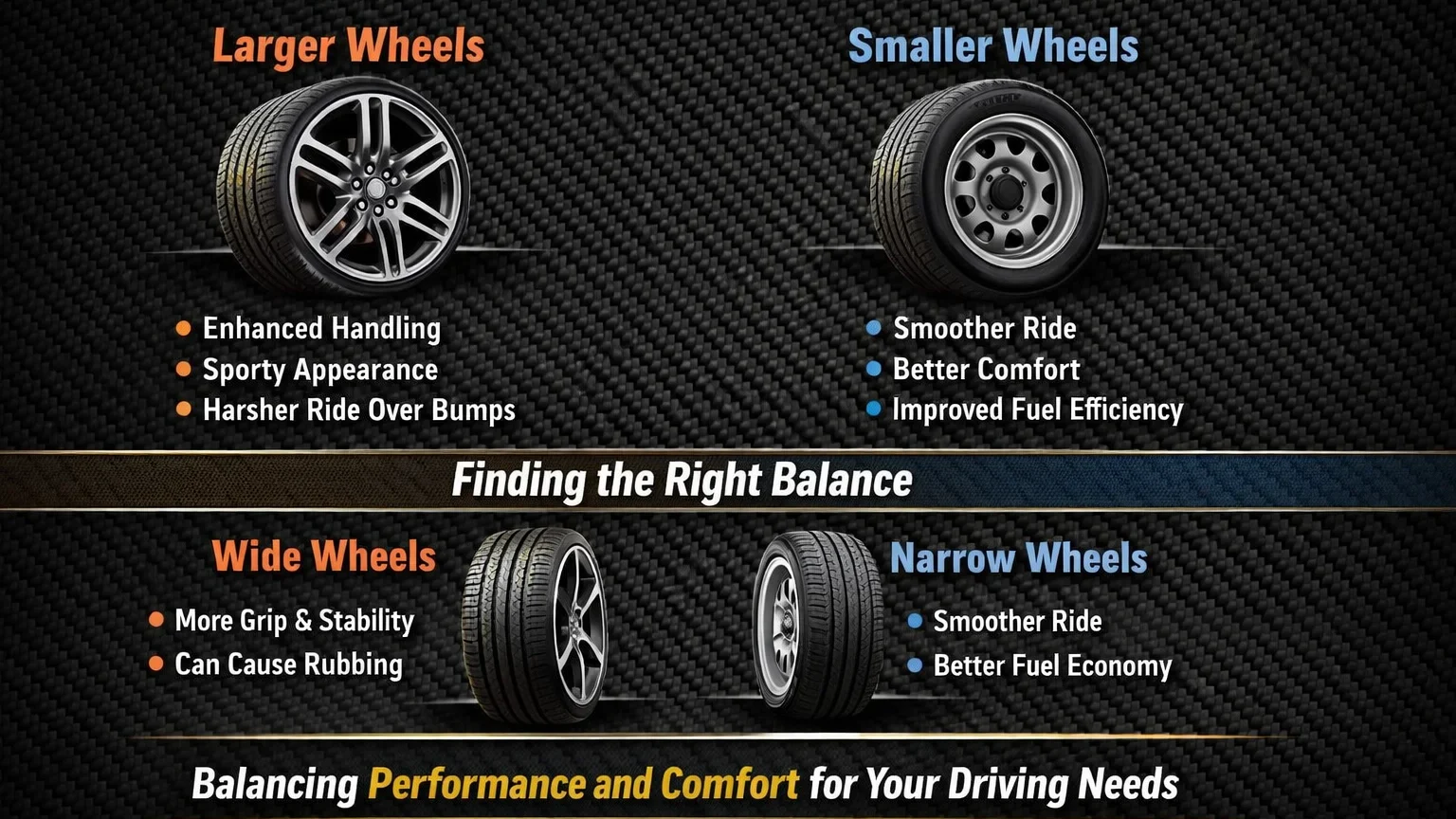
Rim size affects feel, control, and durability. Bigger wheels offer better cornering response and a hotter look, but they often require shorter sidewalls. This can cause bumps and weaken the suspension due to impacts from potholes.
Smaller wheels and taller rims usually result in a higher ride, although they also absorb impacts better than low-profile tires and offer marginally better fuel economy. To choose properly, then, is to find a compromise between comfort and performance in “real world” driving, not what’s fashionable or trendy.
Also Read: Best Place to Buy Rims in 2025: Top Online Stores for Quality and Style
Bolt Pattern Compatibility
The wheel bolt pattern determines how the wheel mounts to the vehicle hub. Using an incorrect bolt pattern can cause improper seating, uneven torque distribution, vibration, and accelerated wear on suspension components. In severe cases, it may lead to wheel detachment.
Always verify bolt pattern specifications before purchasing wheels to ensure proper fitment and safe operation.
Offset and Backspacing Explained
Offset and backspacing determine how much a wheel sticks out of or tucks into the wheel well. Improper offset can lead to the tires contacting suspension or fenders, steering problems, uneven tire wear , and mechanical damage.
Correct measurement will allow for free play yet maintain correct suspension geometry. This is particularly concerning when increasing wheel width or diameter beyond factory specifications.
Strength Testing and Certification Standards
Reputable wheel manufacturers perform rigorous testing to evaluate resistance to bending, cracking, and fatigue. These tests simulate real-world conditions, including cornering loads, impact stress, and prolonged vibration.
Independent certifications provide added assurance that a wheel meets established safety standards. Choosing certified products reduces the risk of structural failure and increases confidence in long-term use.
Protective Finishes and Corrosion Resistance
Wheel finishes serve a functional purpose beyond aesthetics. Coatings protect against corrosion caused by moisture, road salt, and debris. This protection is especially important in regions with harsh weather conditions or winter road treatments.
A high-quality finish helps maintain structural integrity, reduces maintenance requirements, and extends the wheel’s usable life.
Conclusion
Choosing the right wheels involves more than design, strength, materials, and fitment. Each element contributes to safety, performance, and longevity. Seeing how these components interact helps a driver make intelligent decisions that build long-term handling and reliability. Choosing wheels is not only about having cool tires; it can also contribute to safe, comfortable driving.