





Disclaimer: This content is provided for informational and educational purposes only and does not constitute medical advice, diagnosis, or treatment. Weight-loss medications, including semaglutide, may cause side effects that vary from person to person. Always consult a qualified healthcare professional before starting, stopping, or adjusting any medication. Do not disregard professional medical advice or delay seeking care because of information presented here. If you experience severe or persistent symptoms, seek immediate medical attention
While weight-loss medications like semaglutide can be transformative for many people struggling with obesity, the journey isn’t always smooth. A thoughtful, structured approach to side-effect management is essential to achieving your goals without compromising your well-being. Here’s what you need to know:
Have questions about this story?
Ask Tundra for more details, context, or updates.
Understand What You’re Managing
Semaglutide and other GLP-1 medications can cause a range of side effects, from nausea and gastrointestinal discomfort to headaches and dizziness. When you’re dealing with semaglutide headaches early in your treatment, it’s usually because your body is adapting to changes in appetite, hydration status, and blood sugar regulation, even if the exact mechanism isn’t fully understood. Before focusing on goals like weight loss, take time to understand the side effect profile of your medication, including what’s common, like nausea, and what’s less frequent, like headaches.
Know the Stakes: Why It Matters

Obesity is widespread and linked to serious health issues, including diabetes, heart disease, and stroke. 40.3% of U.S. adults had obesity during August 2021 to August 2023, highlighting the scale of the challenge many people face when trying to lose weight and improve health through lifestyle and medical interventions.
This statistic underscores why medical support, including medication, is often necessary: conventional diet and exercise alone are insufficient for many individuals. But understanding that side effects are part of the process for many helps maintain perspective when challenges arise.
Set Realistic, Measurable Goals
If your primary objective is substantial weight loss, such as 10% to 15% of body weight, it’s important to break that into quarterly or monthly targets. Instead of setting an abstract goal, try something concrete like:
- Reduce body weight by 5% in 12 weeks
- Maintain consistent hydration and electrolyte intake daily
- Track average energy levels and headache frequency weekly
Breaking goals into smaller targets lets you notice progress even when side effects flare, and gives you actionable checkpoints that help you adjust without derailing your plan.
Hydration and Nutrition Are Non-Negotiable
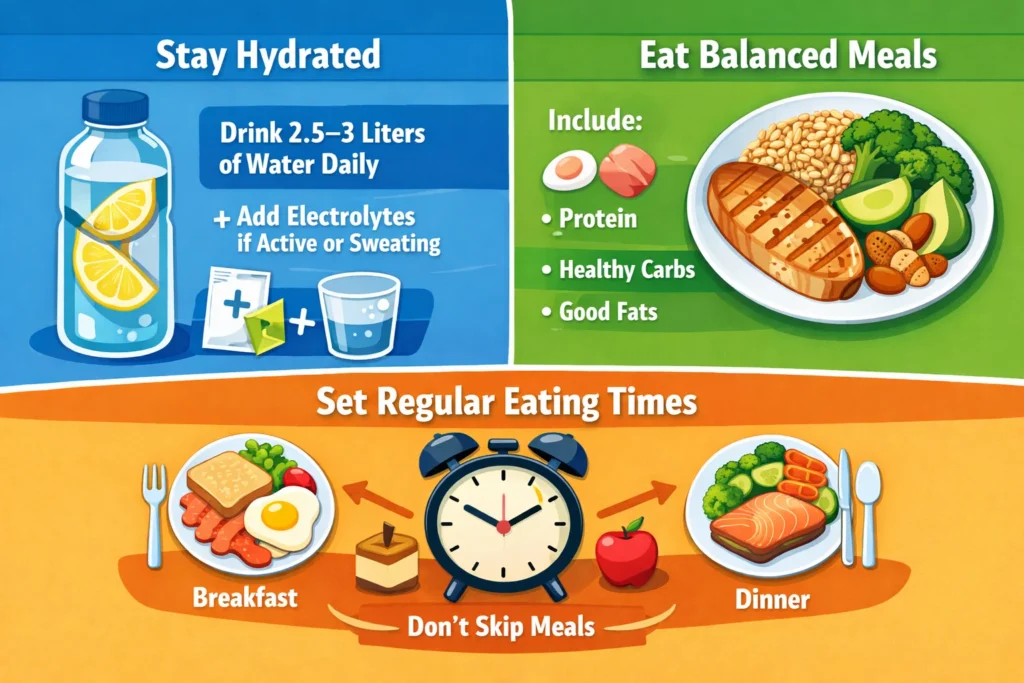
Many side effects, particularly headaches and dizziness, are attributable to dehydration or hypoglycemia. These are directly related to reduced appetite, which is common when GLP-1 medications suppress hunger. Practical steps that work:
- Hydration: Many people benefit from maintaining consistent hydration throughout the day. Individual fluid needs vary, so it’s important to follow guidance from your healthcare provider.
- Balanced meals: Even if you’re not hungry, prioritize meals with protein, complex carbohydrates, and healthy fats. This helps stabilize blood sugar and reduce headache triggers.
- Scheduled eating: Set eating windows (breakfast/lunch/dinner) so you don’t skip meals due to a lack of appetite.
This focused attention on hydration and nutrition reduces fluctuations that can trigger headaches, fatigue, and dizziness.
Also Read: The Science of Hydration and Nutrition for Harsh Climates
Track Side Effects and Patterns
Keep a simple daily log that includes:
- Medication dose and timing
- Water intake
- Mealtimes and food quality
- Side effect severity (scale of 1 to 10
- Energy levels
Over several weeks, patterns tend to emerge. You might discover that headaches are worse on days you skip lunch or when you cut water intake. This tracking enables early intervention rather than reactive responses.
Work With Your Healthcare Provider
Your clinician isn’t just there to write a prescription; they’re a partner in optimizing your medication regimen. Examples of adjustments your provider might suggest, based on your log:
- Your provider may adjust your dosing schedule if appropriate for your treatment plan.
- Temporarily lowering the dose until tolerance improves
- Adding supportive medications like anti-nausea treatment for the short term
If a side effect becomes severe or persistent, professional input is essential. For example, severe nausea that prevents eating, dehydration that triggers migraines, or dizziness that affects daily activities are all signals to consult your clinician.
Endnote
Balancing weight-loss goals with side effect management is about consistency, not perfection. When hydration, nutrition, and symptom tracking are prioritized, side effects become easier to manage without stopping progress. With realistic expectations and appropriate medical guidance, weight-loss medications can support long-term health while allowing you to maintain control of your body and daily routine.