




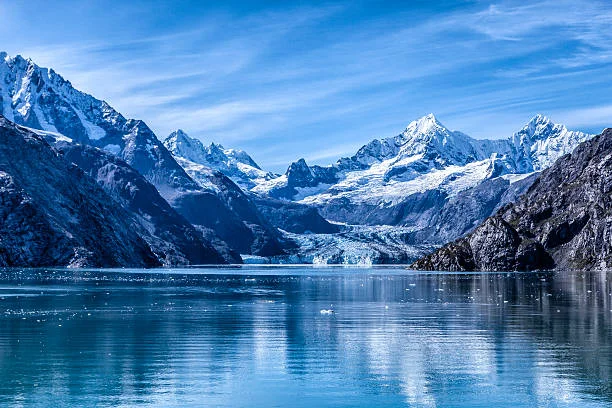
Rapidly warming ocean conditions in Alaska are creating new food safety risks, as harmful bacteria and toxins begin appearing in waters once considered too cold to support them.
Scientists say rising temperatures are allowing bacteria such as Vibrio parahaemolyticus, which can cause serious illness from contaminated seafood, to survive and spread in Alaska waters. Previously, the state’s cold environment limited such threats, but that is changing as ocean temperatures increase.
Researchers also report that harmful algal toxins are showing up in new areas of the marine food chain. These toxins can accumulate in shellfish and other seafood, posing health risks to people who rely on subsistence harvesting and commercial fisheries.
Experts warn that these emerging risks could affect both public health and Alaska’s fishing industry, which plays a key role in the state’s economy and food systems. Warmer waters are already altering marine ecosystems, making it harder to predict when and where seafood may be unsafe to consume.
Scientists and marine researchers say monitoring and testing efforts are becoming more important as conditions evolve. However, the rapid pace of environmental change is making it increasingly difficult to keep up with new threats.
Alaska is warming faster than much of the rest of the world, and scientists say the trend is likely to continue, raising concerns that food safety challenges linked to ocean conditions could become more frequent in the years ahead.
Have questions about this story?
Ask Tundra for more details, context, or updates.
Related Posts
Is Alaska Seafood Truly Safe from Fukushima Radiation?
Scientists Find Algal Toxins In Alaskan Bowhead Whales Amid Warming Arctic
Investigation Ongoing After the Fish died in the Kensington Mine