



Buying vintage clothing through mystery boxes has become increasingly popular, but many buyers enter the experience without fully understanding how these boxes work. While the concept promises surprise and potential value, outcomes vary significantly depending on the seller, the quality of curation, and buyer expectations.
This blog will give you helpful advice on buying vintage clothing in mystery boxes to get more hits than misses.
Have questions about this story?
Ask Tundra for more details, context, or updates.
What Is a “Vintage Mystery Box”?
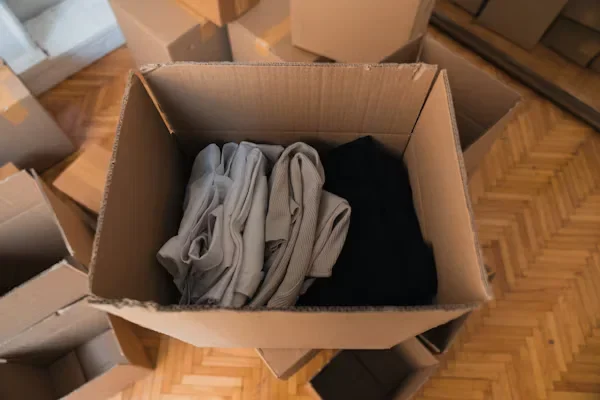
A vintage mystery box is a curated bundle of pre-owned clothing selected by a seller and shipped without the buyer knowing the exact items in advance.
However, not all bundles are the same.
What qualifies as vintage?
In most fashion markets, “vintage” refers to items that are at least 20 years old. Some sellers specialize in specific decades (e.g., 80s denim, 90s streetwear), while others use the term more loosely to describe retro-inspired or secondhand items.
Curated mystery boxes vs. resale bundles:
- Curated mystery boxes are intentionally assembled based on themes, sizes, or style preferences.
- Resale bundles may simply group similar items together without personalization.
How they differ from liquidation boxes:
Liquidation boxes typically contain unsold retail inventory or overstock items, often in bulk and without aesthetic curation. Vintage mystery boxes, by contrast, are usually smaller, style-focused, and marketed around uniqueness rather than volume.
Understanding these distinctions helps set realistic expectations before purchasing.
Why Vintage Mystery Boxes Are Popular
Several broader cultural and economic trends explain their growth.
1. The Nostalgia Economy
Fashion cycles tend to repeat. Many buyers are drawn to styles from past decades that reflect personal memories or cultural aesthetics.
2. Resale Culture
Secondhand fashion has expanded significantly due to resale platforms and growing awareness of clothing waste. Mystery boxes offer an alternative entry point into vintage collecting.
3. Social Media Unboxing Trends
Platforms like TikTok and Instagram have amplified the appeal of surprise-based purchases. Unboxing videos create entertainment value, even when the items themselves vary in quality.
4. Sustainability and Circular Fashion
Vintage shopping supports garment reuse, reducing textile waste compared to fast-fashion purchasing. For environmentally conscious consumers, mystery boxes can align with circular fashion goals, though sustainability depends on sourcing practices.
These drivers explain the popularity, but popularity does not eliminate risk.
Risk Awareness: What Buyers Should Consider
High-value purchasing decisions include awareness of potential downsides.
Condition Variability
Vintage garments may show wear, fading, repairs, or fabric thinning. Even reputable sellers may describe the condition subjectively.
Overvalued Claims
Some sellers inflate retail comparisons or exaggerate brand rarity. The resale value of items depends heavily on market demand, brand recognition, and condition.
Sizing Uncertainty
Vintage sizing often differs from modern standards. A labeled size “Medium” from the 1990s may fit closer to a contemporary Small. Alterations over time may further affect fit.
Market Saturation
As vintage mystery boxes grow in popularity, competition increases. Certain trends, such as Y2K fashion, can become oversupplied, reducing resale margins.
Secondary Resale Uncertainty
For buyers intending to resell items, profit is never guaranteed. Demand fluctuates seasonally and cyclically.
Being aware of these factors supports informed decision-making rather than impulse buying.
How Sellers Curate Vintage Mystery Boxes
Understanding seller strategy adds useful context.
Inventory Clearing
Some sellers use mystery boxes to move slow-selling inventory while blending in higher-demand pieces to maintain perceived value.
Bundling Strategy
Boxes may be curated by:
- Era (e.g., 90s sportswear)
- Category (e.g., denim jackets)
- Price tier
- Style aesthetic
Higher-priced boxes often include more selective sourcing.
The Psychology of Surprise
Part of the appeal lies in uncertainty. The anticipation of a rare find encourages repeat purchases. Sellers balance this excitement with the need to maintain customer trust.
Profit Margin Considerations
Sellers must account for sourcing costs, cleaning, storage, shipping, and platform fees. As a result, not every box can contain high-demand brand-name items.
Recognizing seller mechanics clarifies why outcomes vary.
Buyer Profiles: Different Goals, Different Strategies
Not all buyers approach vintage mystery boxes the same way.
Casual Collectors
Often purchased for personal wardrobe expansion. Fit, wearability, and aesthetic cohesion matter most.
Resellers
Focus on resale margin potential. They may prioritize brand recognition, trend alignment, and condition grading.
Social Media Creators
View the box as content as much as clothing. Entertainment value may outweigh item resale value.
Nostalgia Hobbyists
Seek emotional or cultural connection rather than financial return. Identifying your buyer profile helps define realistic expectations.
Budgeting and Expectation Management
Mystery boxes are not guaranteed “value multipliers.” While some buyers may receive items exceeding the purchase price in resale value, others may not.
Value depends on:
- Seller curation quality
- Market demand
- Condition accuracy
- Buyer intent
Setting a budget aligned with your goals reduces disappointment. If resale profit is your objective, treat purchases as inventory risk. If personal style exploration is the goal, evaluate success based on wardrobe satisfaction.
Monitoring Sellers and Market Trends
Following sellers on social media can provide insight into:
- Upcoming drops
- Past box examples
- Customer feedback
- Style direction
However, scarcity marketing tactics such as countdowns or “limited drop” messaging should be approached critically. Demand cycles shift quickly in fashion.
Seasonal demand also influences value. Outerwear sells more easily in colder months, while lighter fabrics trend in spring and summer.
Final Thoughts: Approach With Strategy, Not Hype
Vintage mystery boxes combine curation, resale culture, and entertainment. They can be an enjoyable way to explore vintage fashion, but outcomes depend heavily on understanding seller intent, market conditions, and personal goals.
Rather than viewing mystery boxes as guaranteed treasure hunts, it is more accurate to approach them as curated risk purchases. Informed buyers who understand sizing variation, market cycles, and value fluctuation are more likely to feel satisfied with their experience.
Managing expectations, clarifying objectives, and researching sellers are ultimately more important than luck.
A thoughtful approach turns mystery buying from a gamble into a structured exploration of vintage fashion.