



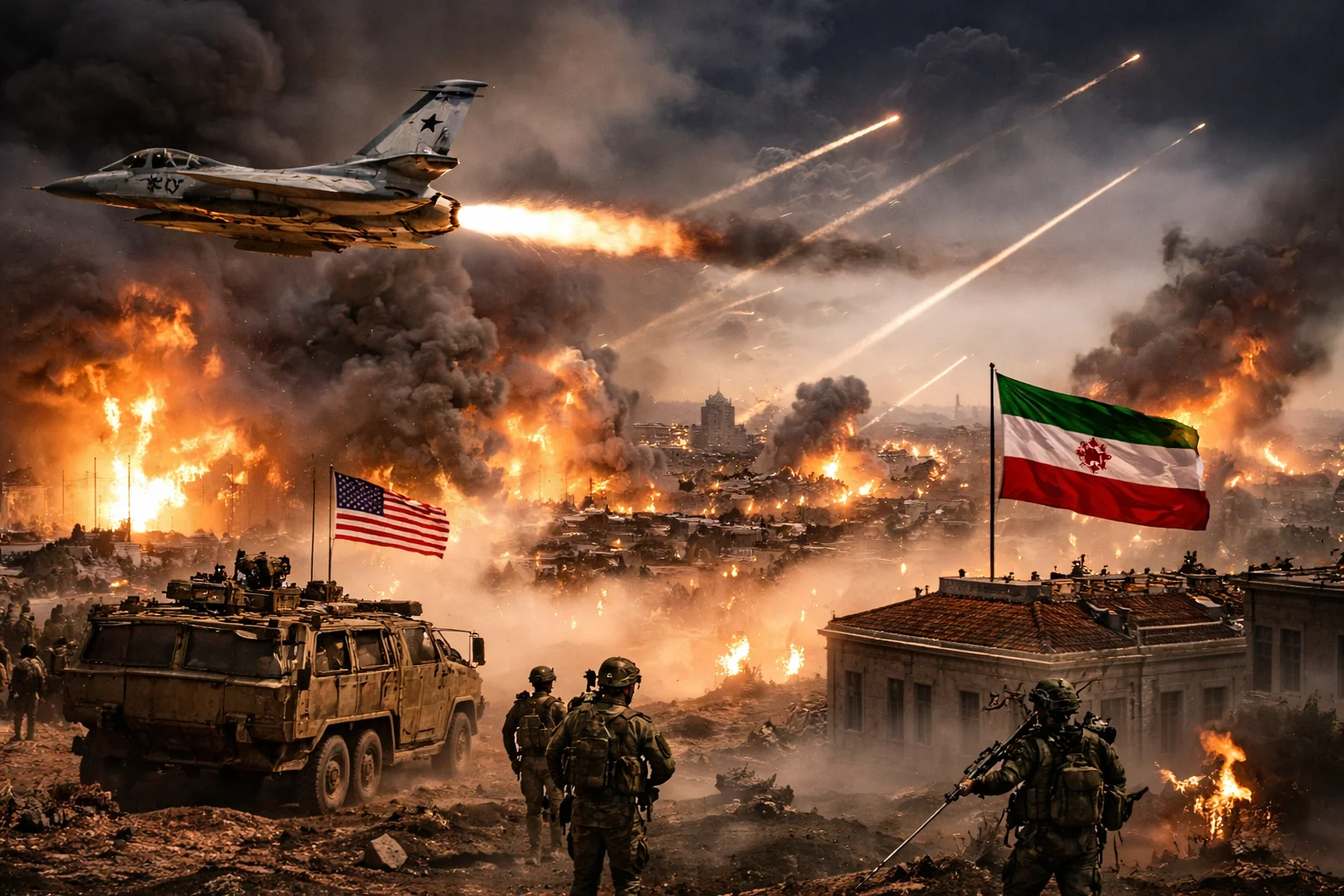
The conflict between the United States, Israel and Iran continues to escalate as military operations enter their third week, drawing in new fronts and prompting international concerns.
U.S. and Israeli forces have carried out thousands of strikes on Iranian military and strategic targets since late February, degrading air defenses and key weapons systems, officials said. Iranian retaliation has been widespread, including missile and drone attacks on Israeli territory, U.S. military bases in the Gulf region, and diplomatic facilities. At least six U.S. service members have been killed in retaliatory attacks, according to multiple reports.
The combined military campaign, described by the Pentagon as a sustained effort against Iranian capabilities, includes operations across domains from air to cyberspace and naval engagements. U.S. forces have struck nearly 2,000 Iranian targets in the first 100 hours of the offensive, military leadership said, while Iran continues to launch counterattacks using missiles and unmanned systems.
The conflict has drawn in other regional tensions. Militants allied with Iran, such as Hezbollah in Lebanon, have launched strikes on northern Israel, prompting further Israeli military action across the border. Civilian populations in multiple countries have been affected, with hundreds injured or killed in related violence.
Amid the widening crisis, global shipping through the Strait of Hormuz, a critical artery for energy exports, has been effectively halted. Iran’s Revolutionary Guard has issued warnings restricting vessel access, contributing to a surge in oil prices and economic uncertainty.
Also Read: UN Chief Condemns U.S.-Israeli Attacks on Iran at Emergency Security Council Meeting
Efforts to de-escalate have so far failed, with world leaders urging restraint but fighting continuing across the region. The U.S. State Department is arranging evacuation flights for citizens in affected nations as uncertainty grows over how long the conflict may last.