



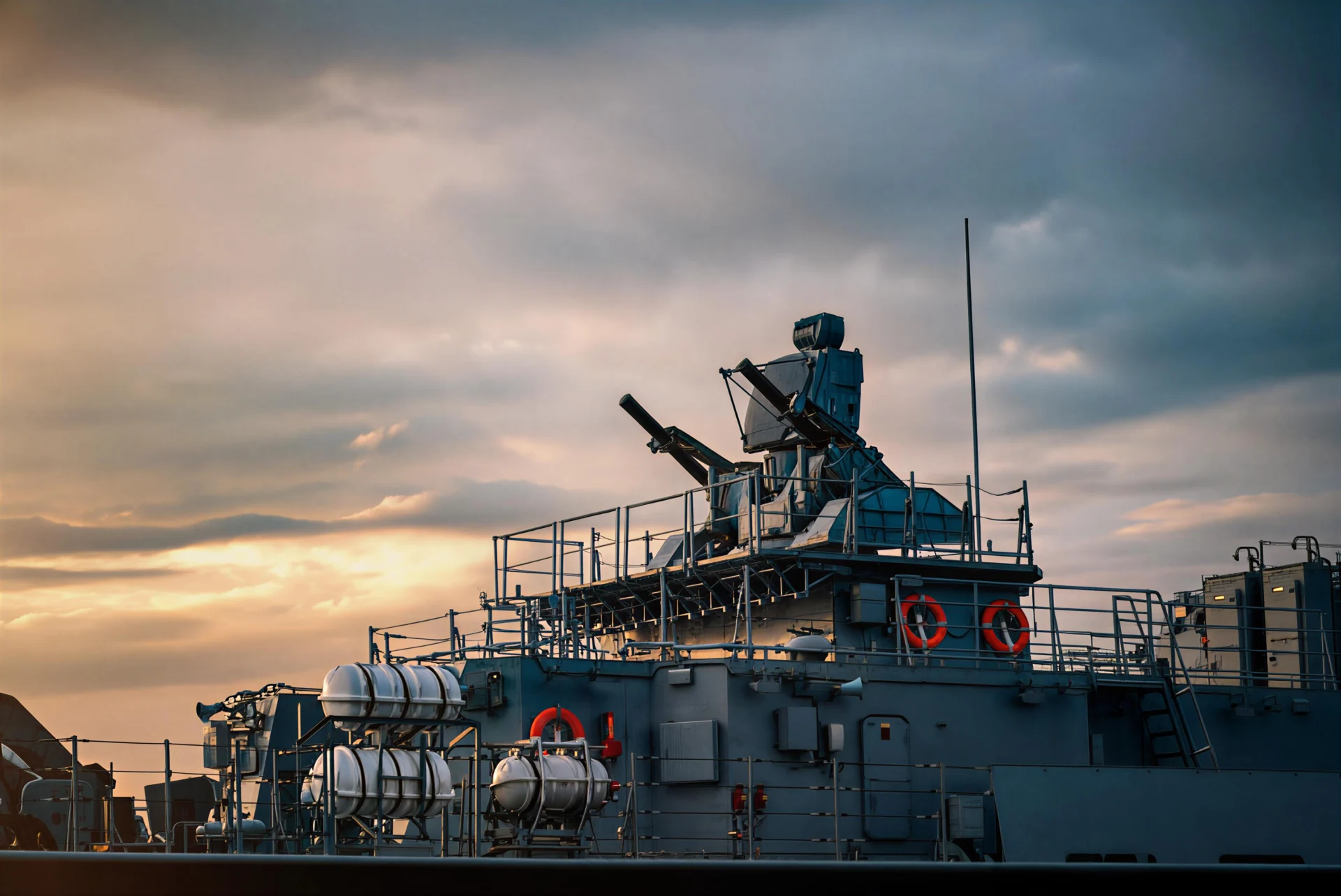
The escalating Middle East conflict took a dramatic turn as President Donald Trump called on global allies to send warships to the Strait of Hormuz, warning that the vital oil shipping route must remain open amid rising tensions with Iran.
The Strait of Hormuz, one of the world’s most important energy chokepoints, has become a flashpoint in the ongoing U.S.–Iran conflict. Iran has moved to assert control over the narrow maritime corridor, while the United States is seeking an international coalition to protect shipping and keep the passage open.
President Trump said he has asked about seven countries to deploy naval vessels to help escort ships and maintain safe transit through the strait.
The waterway, located between Iran and Oman, carries roughly 20% of the world’s oil supply, making it a critical artery for global energy markets.
Several commercial vessels have already been hit during the crisis, while shipping companies and insurers have raised alarm over safety risks. Oil markets have reacted sharply, with prices rising above $100 per barrel amid fears of prolonged disruption.
The current crisis stems from a widening war between the United States, Israel, and Iran that erupted in late February. U.S. and Israeli strikes targeted Iranian military infrastructure, triggering retaliation across the region and heightened naval tensions in the Persian Gulf.
Iran has reportedly deployed mines and warned ships not to pass through the strait, effectively forcing many tankers to avoid the route.
The disruption has already rattled global markets, as the Strait of Hormuz serves as the primary export route for oil from Saudi Arabia, Iraq, Kuwait, and the United Arab Emirates.
Energy analysts warn that prolonged disruption in the strait could affect economies worldwide. Countries in Asia and Europe rely heavily on Gulf oil shipments, meaning any blockade or military escalation could trigger supply shortages and price spikes.
Some U.S. allies have expressed caution about sending warships to the region, while others are evaluating diplomatic solutions instead of direct military involvement.
Have questions about this story?Ask Tundra for more details, context, or updates.
Related Posts
US-Iran Conflict Sparks Fears of Strait of Hormuz Closure and Global Fallout
U.S. and Israel Discuss Potential Strikes on Iran’s Oil Infrastructure After Missile Attacks
Global Oil Prices Drop Nearly 6% Following Israel Iran Ceasefire Announcement
Israel-Iran Conflict Triggers Oil Price Surge and Global Market Jitters
U.S.–Israel–Iran Conflict Escalates With Airstrikes, Retaliation, and Regional Tension
Iran War Intensifies: New Attacks Hit Israel and U.S. Bases as Conflict Enters Sixth Day
US Intercepts Iranian Missiles Amid Escalating Tensions with Israel