




Disclaimer: This content is for informational purposes only and is not intended as medical advice. It does not replace guidance from a qualified healthcare professional. Always consult a healthcare provider with questions or concerns about your menstrual cycle, symptoms, or overall health.
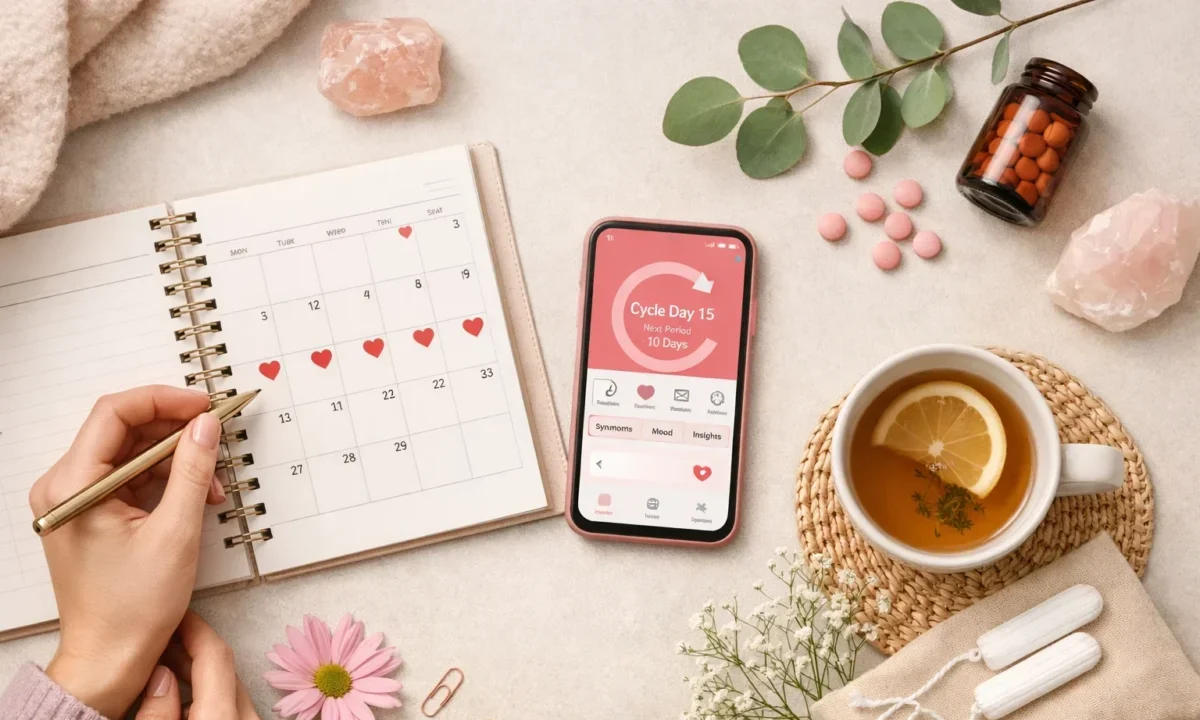
Period tracking has become a common practice for people who want more clarity about their bodies and monthly rhythms. Understanding cycle patterns can make everyday planning easier and support both physical and emotional well-being. Among people tracking their cycles with technology, about 68.8% use a smartphone app to log menstrual data and symptoms, making digital tools a popular way to gain insight into personal rhythms.
Some individuals also explore supportive wellness products, such as PMS vitamins like FLO, designed to help ease common monthly symptoms and support a balanced experience throughout the cycle.
As interest in women’s wellness grows, so does awareness of how helpful it can be to follow one’s menstrual cycle with intention. Tracking offers insight that supports planning, comfort, and more transparent communication with healthcare providers.
Have questions about this story?
Ask Tundra for more details, context, or updates.
Understanding the Benefits of Cycle Awareness
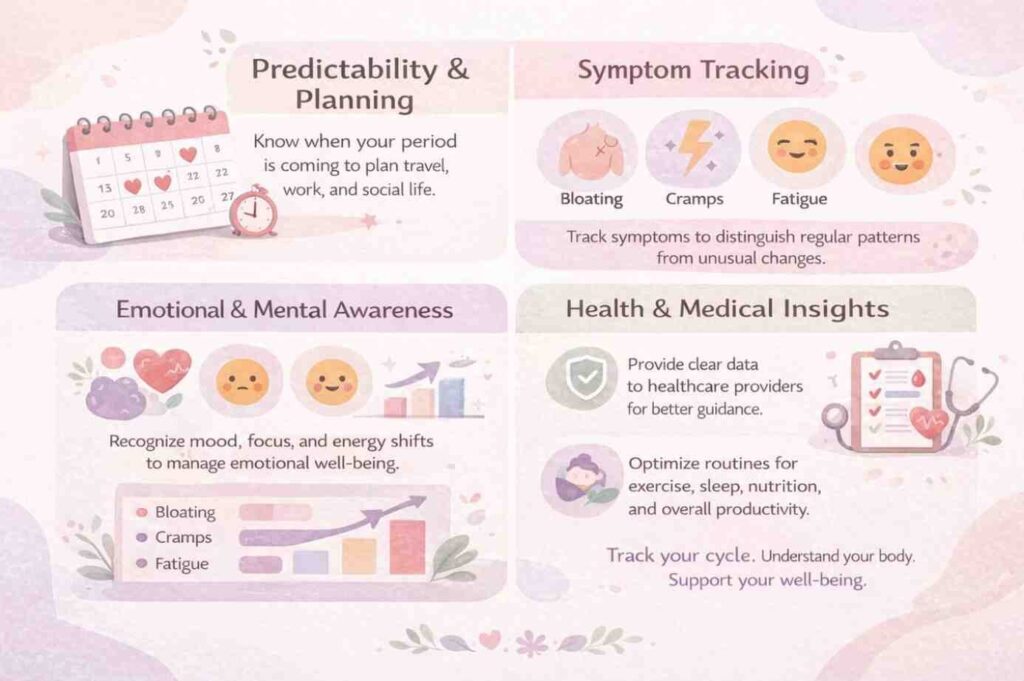
Tracking a menstrual cycle helps individuals predict what to expect throughout the month. Periods don’t always follow the same pattern, and consistent tracking makes fluctuations easier to understand. When someone notes symptoms like bloating, cramping, or fatigue, they begin to recognize which sensations are part of their regular rhythm and which feel unusual. This knowledge reduces uncertainty and helps individuals prepare for the physical and emotional shifts that may come with each cycle.
Predictability is one of the main reasons people track their periods. Knowing when a period is likely to begin allows for better planning around travel, work commitments, or social activities. Many people also monitor patterns to understand mood changes, energy levels, and behaviors that may shift throughout the month. This awareness creates a sense of stability because it helps explain changes that might otherwise feel sudden or confusing.
Cycle awareness also helps individuals communicate more effectively with healthcare providers. Tracking symptoms, timing, and irregularities provides valuable information to guide conversations about reproductive health. This clarity can support decisions related to lifestyle adjustments, general wellness, or specific medical concerns. With consistent tracking, the menstrual cycle becomes easier to navigate from both a practical and emotional perspective.
How Tracking Supports Long-Term Wellness
Cycle tracking has benefits that extend beyond predicting when a period will arrive. Over time, patterns begin to reveal how the menstrual cycle influences sleep, appetite, productivity, and overall mood. Many people notice that certain phases of their cycle align with higher energy levels, while others feel more physically or emotionally demanding. When these patterns become clearer, it is easier to plan routines that support well-being.
Some people use tracking to support fitness goals. Recognizing how the body responds to exercise at different points in the cycle helps create more tailored routines. For example, certain phases may feel more suitable for higher-intensity activity, while others benefit from gentler movement. Understanding this helps reduce frustration and encourages more consistent habits.
Also Read: The Comprehensive Physical and Mental Health Benefits of Running
Tracking also supports mental and emotional wellness. Recognizing how the cycle influences focus, patience, and stress tolerance gives individuals greater control over their daily lives. Instead of feeling caught off guard by these shifts, they can plan strategies for maintaining balance. Predictable emotional patterns are easier to manage when they are understood rather than unexpected. This broader understanding of body rhythms encourages long-term wellness by giving individuals the information they need to make informed decisions.
The Role of Technology in Modern Tracking Habits
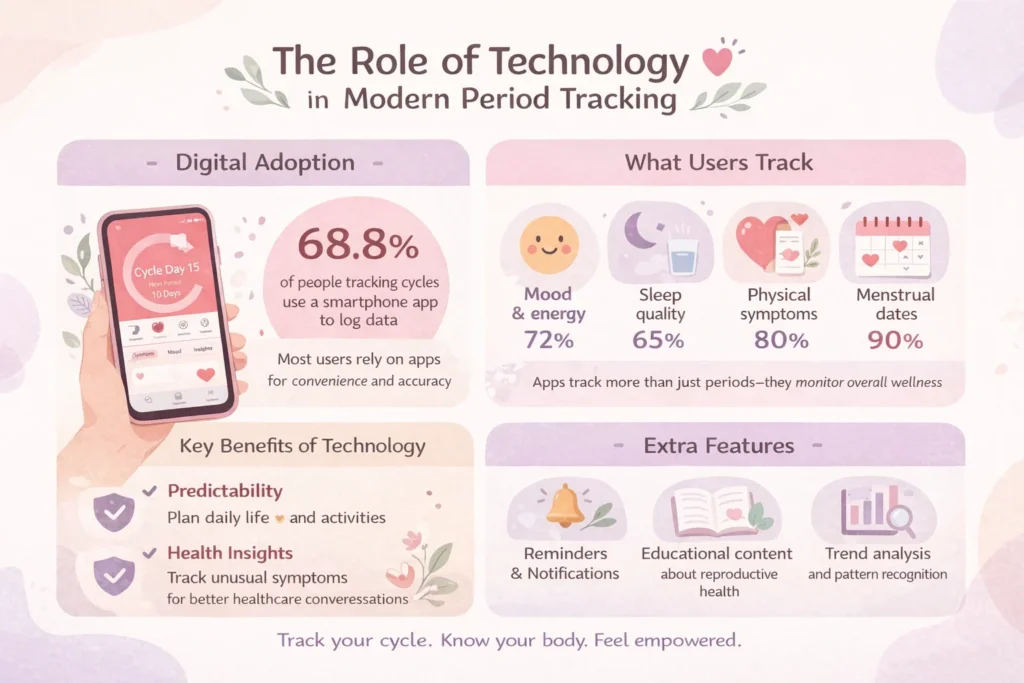
Digital tools have made period tracking significantly more accessible, accurate, and user-friendly. Apps allow people to log symptoms, track timing, and analyze long-term patterns with far more detail than manual methods. These tools also provide reminders, educational content, and trend analysis that make cycle tracking more intuitive. By centralizing all information in one place, technology simplifies the process and reduces the effort required to stay consistent.
Modern period-tracking apps often include symptom tracking that goes well beyond the menstrual phase itself. Users can record sleep quality, mood fluctuations, skin changes, cravings, and physical sensations. Over time, this creates a complete picture of how the menstrual cycle influences daily life. People often gain insights they would not have noticed without a digital tracking system. This depth of understanding helps users respond to their bodies more effectively and proactively.
Technology also helps normalize conversations about menstrual health. As more people use apps and share experiences, period tracking will be recognized even more as an essential part of overall well-being rather than a niche habit. Digital tools have increased visibility of reproductive health topics and fostered communities that support learning and learning. This normalization helps individuals of all ages feel more comfortable becoming informed about their cycles.
Knowledge That Supports Confidence
Period tracking offers a clear path to understanding physical and emotional rhythms. When people learn how their bodies respond throughout the month, daily life becomes easier to manage. Predictable patterns reduce stress, support healthier routines, and improve communication with healthcare providers. Whether the goal is practical planning, emotional clarity, or long-term wellness, cycle tracking provides information that strengthens confidence and self-awareness.