


Disclaimer: This article is for informational purposes only. Travel plans, costs, and experiences may vary. Always research current conditions, safety guidelines, and local regulations before booking or traveling.
Solo travel has an unfortunate tendency to sound scarier than it truly is and more complex than it needs to be.
For many first-timers, it comes in one of two flavors: You’re either over-scheduling each hour of every day in advance, or going in with a dearth of a plan and wasting the first few days getting your basics worked out.
They both suffer from the same underlying flaw: a lack of understanding about what planning is for.
Planning isn’t about getting rid of spontaneity. It’s to give the structure enough room for spontaneous moments to actually happen without stress getting in the way.
Have questions about this story?Ask Tundra for more details, context, or updates.
Packing More Gear than You’ll Ever Use
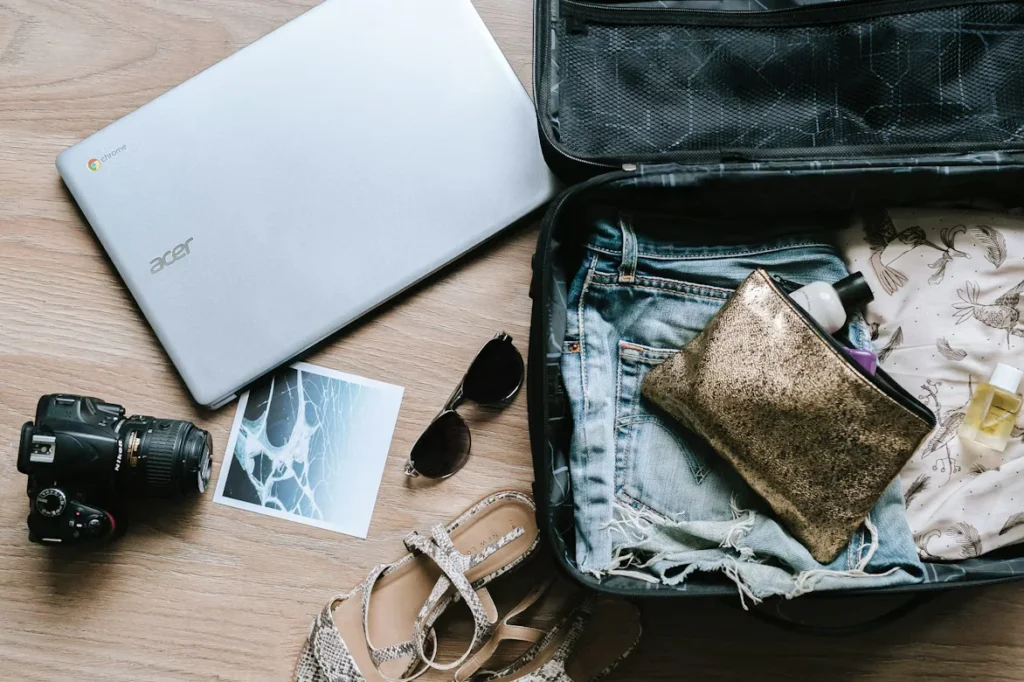
One of the most common mistakes is treating gear as a form of preparation. First-time solo travelers tend to pack for every scenario: rain, cold, formal occasions, and full camera kits. An action camera is one thing, but arriving with a bag so heavy it slows you down and costs extra at the airport is another problem entirely.
The rule most experienced travelers land on is simple: pack according to your travel needs, then remove a third of it. You can buy almost anything you forget, and traveling light makes every other part of the trip easier.
Also Read: Packing Light, Traveling Right: A Guide to Smarter Trips in 2025
Booking Everything in Advance
There’s a style of planning for solo travel that appears thorough but is simply anxiety in preparation garb. If you book every hotel, every tour, and every dinner reservation before you leave, then you have zero flexibility in your schedule, and flexibility is one of the primary reasons to travel solo in the first place.
A smarter way is to book your first night or two, your transport between main destinations, and any experience that actually sells out far in advance. Leave the rest open. You will see better options on the ground than you would have seen by researching from home months earlier.
Underestimating How Long Things Actually Take
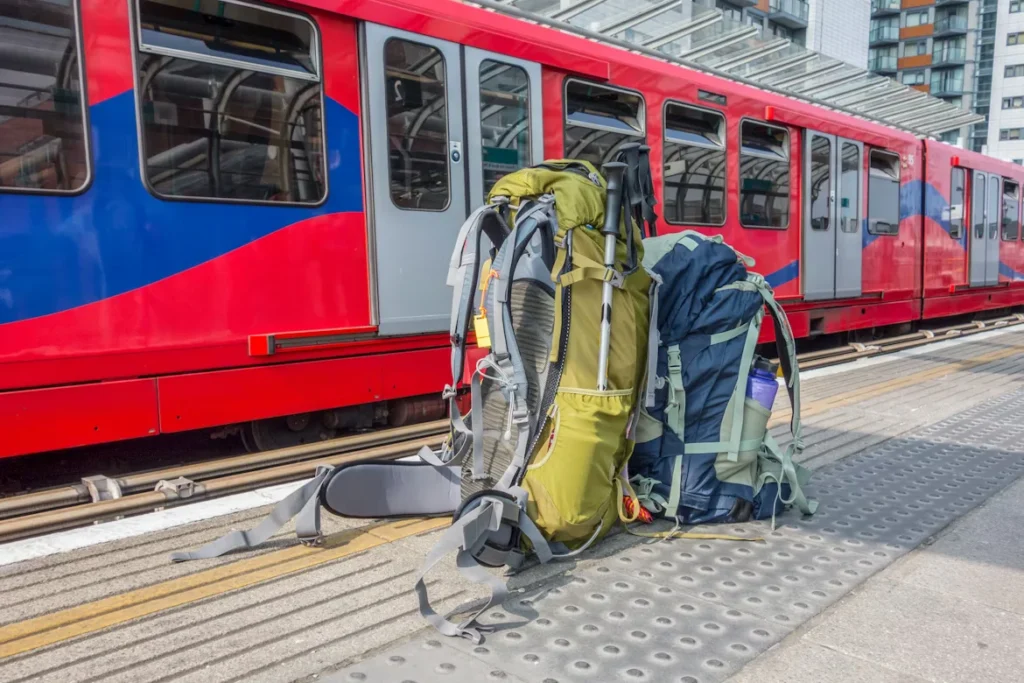
Solo first-timers almost invariably underestimate time in transit. The train station is farther from the center than it seems. The bus is not quite as frequent as the schedule indicates. Getting through an airport in a foreign country takes longer than it would at home.
Failing to build in buffer time isn’t pessimism, it’s the difference between a manageable day and one where you’re under the gun.
It’s a good habit to examine your itinerary and honestly ask where you’ve been too optimistic. Generally, it’s more like at least two or three places where you’ve been assuming best-case timing all along.
Treating Safety as an Afterthought
Solo travel is generally safe, but first-timers often either dismiss safety planning entirely or get so focused on it that it distorts the whole trip.
The useful middle ground is simple: share your itinerary with someone at home, keep digital copies of your documents, and know the address of your accommodation before you need to say it.
Beyond that, most solo travel safety comes down to the same instincts you’d use anywhere: being aware of your surroundings, not announcing your plans to strangers, and trusting your gut when something feels off.
Skipping the Research That Actually Matters
The type of research that most first-time solo travelers do is the wrong kind. They read lists of the top attractions and focus less on the practical details that will inform their experience while there, including ways to get around locally, how tipping is typically practiced (and when), what kind of weather to expect, and which neighborhoods warrant staying in but don’t just include on an itinerary.
Spending half an hour on practical logistics is worth more than two hours of travel blog posts about the best ten places to visit. All the attractions will be waiting for you when you do get to go. The logistical confusion will begin the moment you arrive.
What Solo Travel Actually Rewards
The trips that go well aren’t always the ones that were planned perfectly. They’re the ones where the traveler was adaptable enough to handle what went sideways and relaxed enough to take advantage of unexpected opportunities.
Planning well for solo travel means doing the thinking in advance so you don’t have to do it under pressure on the road. Once you’re there, the plan is mostly just a starting point.