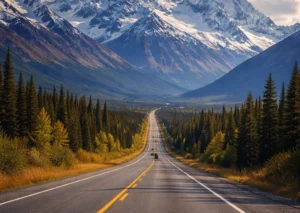




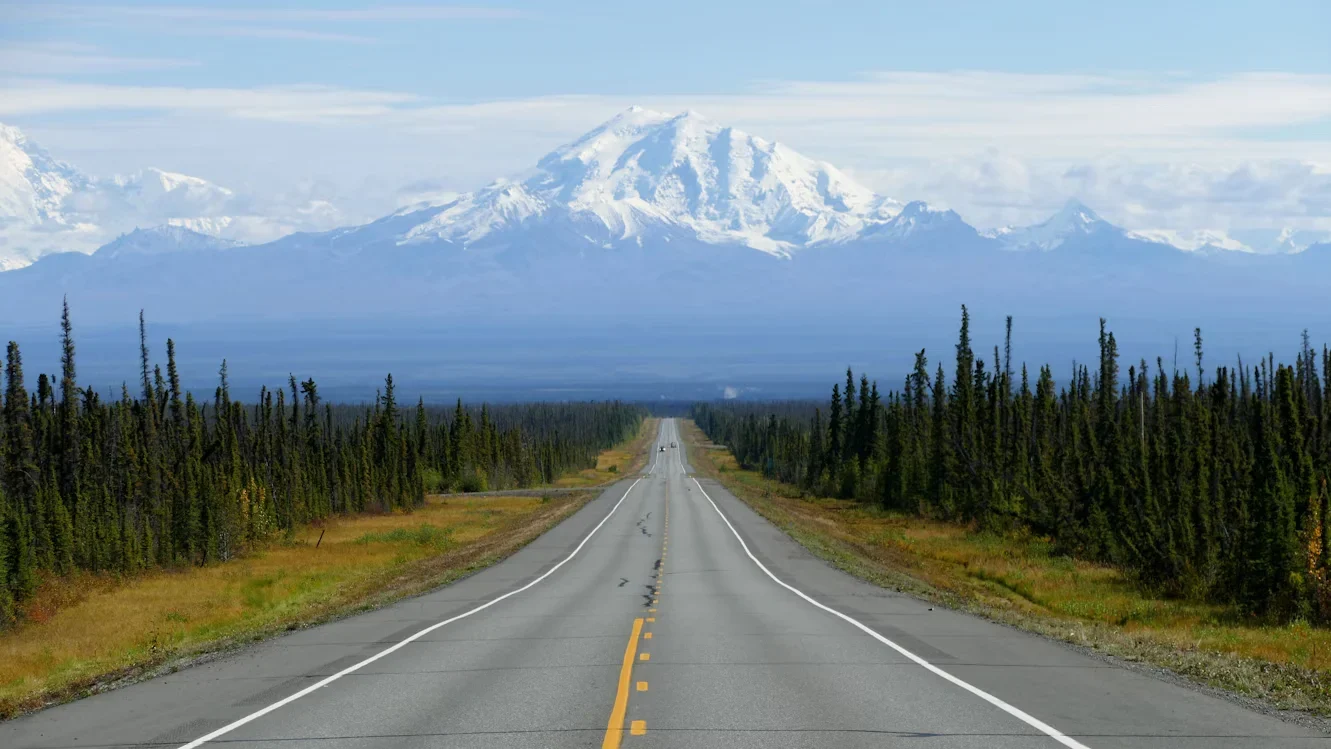
Alaska is filled with never-ending adventures and breathtaking natural wonders. From towering mountains to pristine coastlines and encounters with wildlife, every turn offers something awe-inspiring. With so much to explore and numerous opportunities to create unforgettable memories, it’s no surprise that Alaska continues to inspire travel enthusiasts to embark on the ultimate road trip.
If it’s your first time planning a Car journey through Alaska and you’re unsure how to make it successful, comfortable, and stress-free, don’t worry, you’re not alone! Many first-time visitors feel the same way. That’s why we’ve put together this helpful guide featuring four essential tips to help you navigate the challenges, stay safe, and get the most out of your Alaskan road travel experience.
Have questions about this story?Ask Tundra for more details, context, or updates.
What Makes Alaska Road Trips Different
Alaska is vast, and towns are often separated by hundreds of miles. Gas stations, grocery stores, and lodging can be scarce in remote stretches. Wildlife on highways, including moose and bears, requires constant attention, while sudden weather changes and seasonal daylight extremes can disrupt plans. Construction zones in summer may slow travel, making preparation essential. Understanding these factors makes your journey safer and more enjoyable.
Seasonal Planning
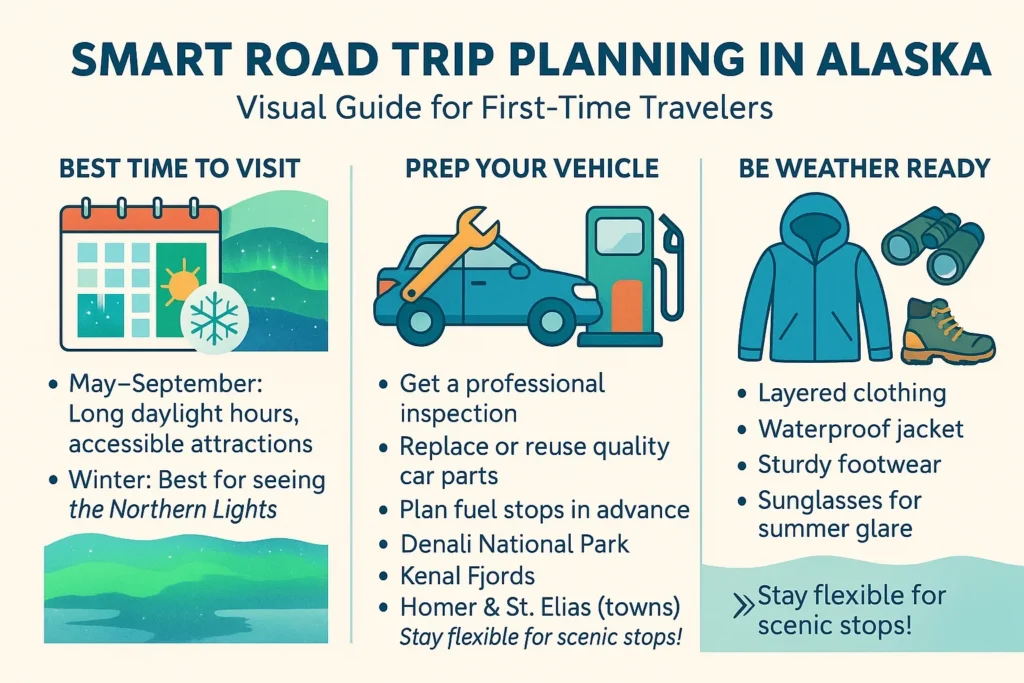
Timing your trip affects much more than the weather. The midnight sun in summer can disrupt sleep patterns, while mosquitoes can be intense in certain areas. Fall offers fewer tourists and vibrant foliage, and winter provides opportunities to see the Northern Lights—but with shorter days and challenging driving conditions. Understanding these seasonal nuances ensures a safer and more comfortable experience.
Keep Your Vehicle Well-Maintained
Fuel, Supplies, and Budget Realities
Refuel whenever possible, especially before long stretches between towns, and stock up on groceries in larger towns. Carry water, snacks, and emergency supplies to prepare for the unexpected. Fuel costs and lodging fluctuate significantly, particularly in peak summer months, and rental cars may be in high demand, so booking early is essential. Planning for these factors reduces surprises and keeps your trip smooth.
During the inspection process, if you find that any car components are worn out and need immediate replacement, reusing old car parts can be an ideal option. You need to know their quality and compatibility with your vehicle’s make and model. Once purchased, get them replaced by a professional auto mechanic.
Wildlife Awareness and Safety
Drive carefully in areas where wildlife is likely to cross roads. Slow down in known moose and bear zones, and always respect speed limits. This approach is practical and safety-focused without being alarmist.
Map Out Your Route with Key Destinations
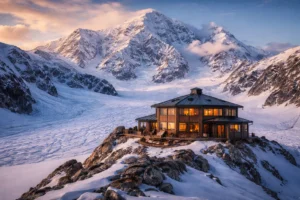
As stated earlier, Alaska boasts an abundance of stunning landscapes that captivate every traveler, from snow-capped mountains and sprawling glaciers to crystal-clear lakes, dense forests, and rugged coastal scenery.
- The rugged coastlines of Kenai Fjords National Park,
- The majestic peaks of Denali National Park,
- the Katmai National Park, and others.
Beyond these, take the time to research other must-see destinations across Alaska, such as the glacier-carved fjords of Glacier Bay National Park and the immense wilderness of Wrangell-Saints. Elias National Park. Elias National Park, the largest in the U.S., doesn’t miss the charm of small but unforgettable towns like Homer, known for its artistic community and scenic spit, and Seward, a vibrant hub for marine tours and gateway to Kenai Fjords.
To accommodate spontaneous stops at scenic viewpoints or local attractions, be flexible when planning your route. The more you make stops, the more you experience the state’s natural beauty.
Preparing for Weather
Alaska’s weather can shift quickly, so pack layered clothing, a waterproof jacket, and sturdy footwear. Sunglasses help with summer glare and reflective snow. Always check forecasts and road conditions before heading out.
Conclusion
An Alaskan road trip is rewarding but requires realistic preparation. Flexibility, route planning, and understanding distances, fuel points, and wildlife hazards reduce stress and improve the experience. When planned thoughtfully, your journey through Alaska’s incredible landscapes becomes both safe and unforgettable.