





Chocolate Month is often associated with desserts, candies, and baked goods, but it also has a long-standing place in savory cooking. When used thoughtfully, chocolate adds depth, balance, and complexity to dishes without contributing sweetness. Many traditional cuisines rely on cocoa as a supporting ingredient rather than a focal point.
Preparing these savory dishes in ceramic cookware enables consistent heat control, which is especially important when melting and incorporating chocolate into sauces or proteins. Exploring savory chocolate recipes during Chocolate Month offers a fresh perspective on how versatile this ingredient can be.
Have questions about this story?
Ask Tundra for more details, context, or updates.
1. Chocolate-Infused Chili
Chocolate has been used in chili preparations for centuries, particularly in regions where cocoa is treated as a spice rather than just a dessert ingredient. In this dish, a small amount of unsweetened chocolate is added near the end of cooking to deepen the flavor of the chili base.
Chocolate can enhance the richness of tomatoes, spices, and slow-cooked proteins without making the dish sweet. It also helps smooth the sharp edges of acidity and heat, resulting in a more rounded and cohesive final flavor. This recipe works well as a hearty main dish during cooler months.
2. Savory Chocolate Mole Sauce
Mole sauce is one of the most well-known examples of savory chocolate cooking. This complex sauce combines cocoa with spices, seeds, and aromatics to create a thick, deeply flavored accompaniment for poultry or vegetables.
Chocolate in mole doesn’t generally dominate the taste. Rather, it binds the ingredients together into a balanced flavor profile. The sauce develops gradually as it simmers, allowing the chocolate to integrate fully. Mole highlights how chocolate can function as a structural element in savory sauces, adding body and depth rather than sweetness.
3. Chocolate and Balsamic Braised Short Ribs
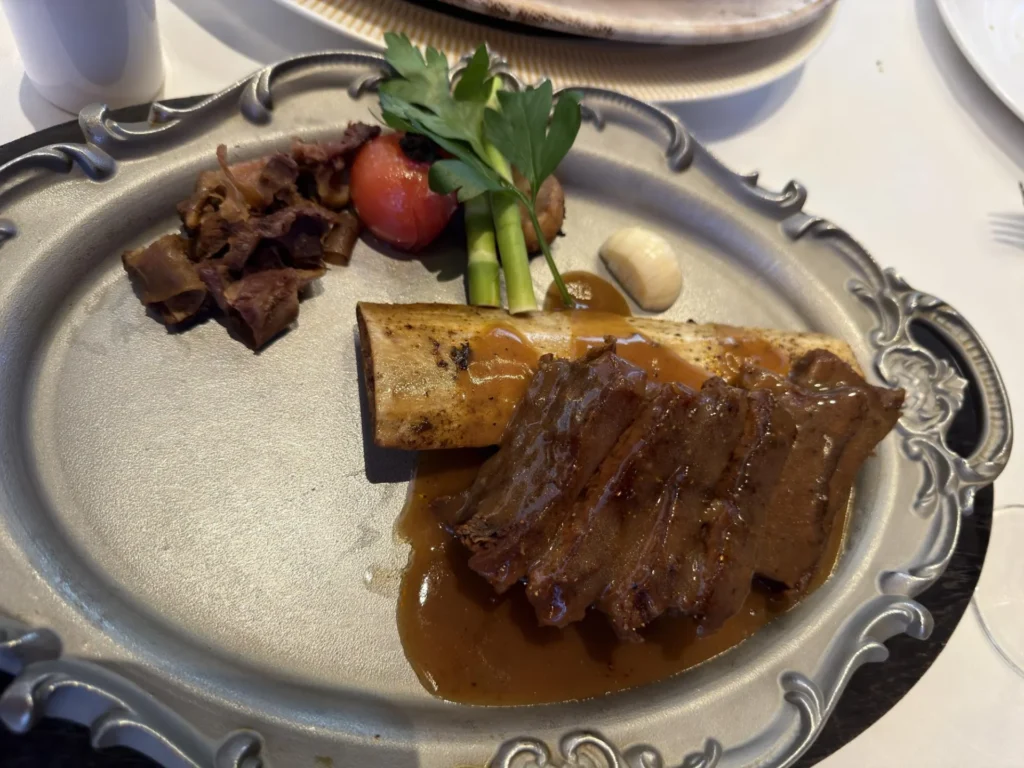
Braised short ribs benefit from long cooking times and layered flavors, making them an ideal candidate for savory chocolate use. In this recipe, a small amount of dark chocolate is incorporated into the braising liquid alongside balsamic vinegar and aromatics. The chocolate enhances the natural richness while complementing the vinegar’s acidity.
As the ribs cook slowly, the sauce tends to thicken up and develop a smooth, silky texture. The final dish showcases how chocolate can enhance the savory depth of slow-cooked meats.
4. Cocoa-Spiced Dry Rub for Roasted Vegetables
Chocolate doesn’t always need to be melted to be effective in savory cooking. Unsweetened cocoa powder can be used in a dry rub for roasted vegetables. When combined with spices and applied before roasting, cocoa adds a subtle bitterness that balances the natural sweetness of vegetables such as squash, carrots, and other root vegetables.
The cocoa enhances caramelization during roasting without imparting a chocolate-forward taste. This preparation demonstrates how chocolate can function as a seasoning rather than a sauce component.
5. Savory Chocolate Pasta Sauce
Chocolate can be incorporated into tomato-based pasta sauces to add depth and reduce acidity. A small amount of unsweetened chocolate stirred into a simmering sauce creates a smoother, more balanced flavor. The chocolate complements the more savory notes of garlic, herbs, and vegetables while helping to unify the sauce’s texture.
This approach is particularly effective in slow-simmered sauces where flavors have time to develop. The result is a pasta dish that tastes richer and more cohesive without an obvious chocolate presence.
6. Chocolate-Enhanced Savory Stew
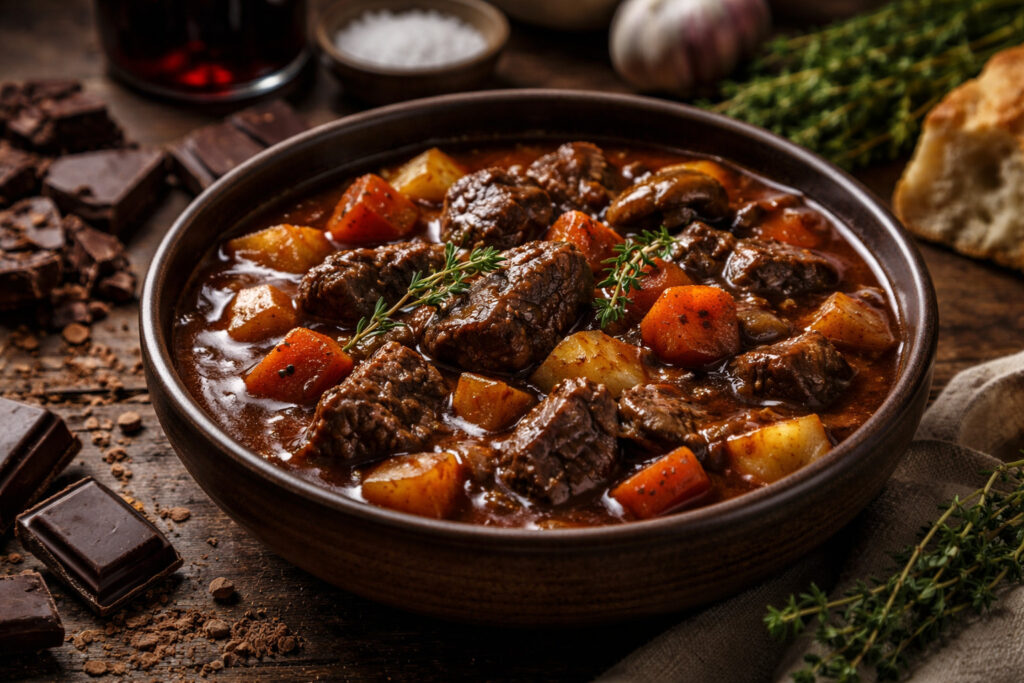
Savory stews rely on long cooking times and layered ingredients, making them another ideal application for chocolate. Adding chocolate near the end of cooking allows it to melt gently and blend into the soup. Chocolate can enhance umami flavors and contribute to a fuller mouthfeel.
This technique works well in both vegetable- and meat-based stews, depending on preference. The chocolate flavor is subtle, supporting the stew’s overall depth rather than standing out as a separate flavor.
Choosing the Right Chocolate for Savory Recipes
Selecting the appropriate type of chocolate is essential for savory applications. Unsweetened or dark chocolate is typically preferred because it provides cocoa flavor without added sugar. Ingredient lists should be reviewed carefully to avoid unnecessary additives that could interfere with the savory profile.
Chocolate with a higher cocoa percentage offers more control over bitterness and intensity. Using the right chocolate guarantees that savory dishes remain balanced and the chocolate flavor is intentionally controlled.
A New Way To Celebrate Chocolate Month
Savory chocolate recipes offer an unexpected yet rewarding way to celebrate Chocolate Month. By treating chocolate as a seasoning or structural element rather than a sweet ingredient, it is possible to create dishes with greater depth and balance.
From sauces and stews to rubs and braises, chocolate can be a versatile addition to savory cooking. Exploring these recipes encourages a broader appreciation for chocolate’s role in the kitchen and expands how it can be enjoyed throughout the year.