




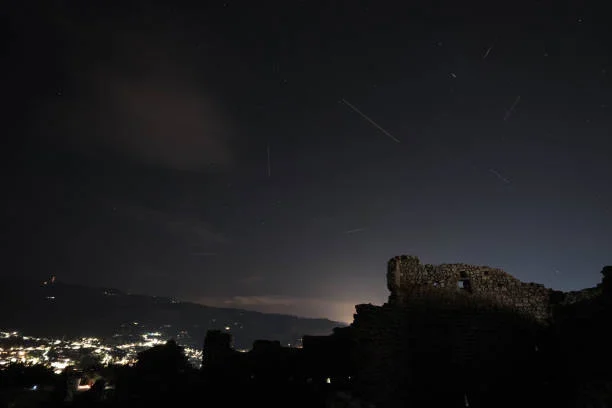
The first major meteor shower of the year, the Quadrantids, is set to reach its peak activity, offering skywatchers a dramatic but challenging start to the 2026 stargazing season.
The Quadrantids are known for their short-lived yet intense peak, with ideal conditions sometimes producing up to 120 meteors per hour. These meteors are often fast, bright, and capable of creating colorful fireballs that streak across the sky.
This year, however, viewing conditions come with a notable challenge. The shower’s peak coincides with the first full moon of 2026, a supermoon, whose brightness is expected to wash out many of the fainter meteors. Astronomers say the moonlight will significantly reduce overall meteor counts visible to the naked eye.
Despite the glare, experts say the Quadrantids remain worth watching. Rather than focusing on sheer numbers, observers are encouraged to watch for quality over quantity. The Quadrantids are especially well known for producing brilliant fireballs that can still be seen even under bright moonlight.
The best viewing window will be during the early morning hours of January 4, before dawn. Skywatchers should look toward the north to northeast, aiming in the direction of the Boötes constellation. Facing away from the Moon will help preserve night vision and improve the chances of spotting brighter meteors.
Also Read: Super Wolf Moon to Light Up the Sky as 2026 Begins
Clear skies will be key, and no special equipment is required. With patience and a bit of luck, observers may catch some of the most impressive meteors of the year as the Quadrantids usher in the 2026 astronomy calendar with flashes of light across the winter sky