

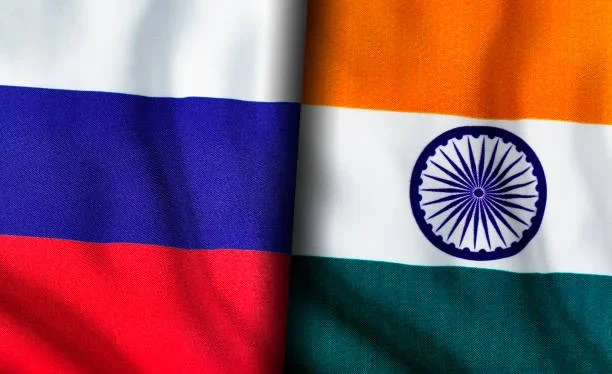
Russian President Vladimir Putin is set to visit New Delhi for high-level talks with Indian Prime Minister Narendra Modi, marking one of the most closely watched diplomatic meetings of the year. The visit comes as global tensions rise and countries revisit strategic partnerships amid shifting geopolitical landscapes.
According to officials, the agenda will center on oil trade, defense cooperation, and broader geopolitical coordination, reflecting the countries’ long-standing ties and their evolving roles in the international arena.
Have questions about this story?Ask Tundra for more details, context, or updates.
Energy at the Top of the Agenda
India has become one of Russia’s largest buyers of discounted crude oil since the start of the Ukraine conflict. With global energy markets in flux and Western sanctions reshaping supply chains, both leaders are expected to discuss long-term agreements to stabilize shipments and maintain predictable pricing.
Defense Collaboration Remains a Key Pillar
Russia remains India’s primary defense supplier, though India has diversified its military imports in recent years. The two sides are expected to review existing contracts, including aircraft, submarines, and missile systems, and explore potential joint production or technology transfer opportunities.
Analysts say the meeting is crucial as India continues to modernize its armed forces while balancing partnerships with both Western allies and Russia.
Geopolitical Strategy and Multipolar Diplomacy
The visit also underscores the broader geopolitical considerations shaping the region. India and Russia regularly coordinate positions on global platforms such as BRICS and the Shanghai Cooperation Organisation. Discussions may touch on the ongoing Ukraine conflict, tensions in the Middle East, and security concerns across Asia.
Also Read: Modi and Xi’s First Talks in Five Years Signal Thaw in India China Relations
For Putin, the trip demonstrates Russia’s continued relevance in Asian diplomacy. For Modi, it signals India’s strategic autonomy, maintaining strong ties with Russia even as relations deepen with the United States and Europe.
The visit is expected to conclude with joint statements and agreements highlighting cooperation across energy, defense, and trade.