



Disclaimer: This article is for informational purposes only and should not be taken as financial, legal, or professional advice. Always consult a qualified property surveyor or drainage specialist before making investment decisions.
When investing in property, the most serious threats to value are often the ones you cannot see. Drainage systems sit entirely below ground, yet a single hidden defect can lead to repair bills running into thousands of pounds. Standard property surveys rarely include a detailed assessment of drains, meaning buyers often inherit problems without realising it. For property investors, this creates a silent financial risk. CCTV drain surveys address this gap by providing direct visibility into underground infrastructure, allowing investors to identify issues early and protect long-term asset value through informed decision-making.
Have questions about this story?
Ask Tundra for more details, context, or updates.
CCTV: A Monitoring Tool for Your Hidden Infrastructure
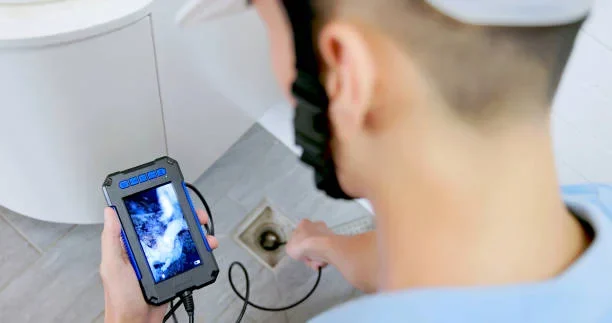
In the context of drainage, CCTV is not a security solution; it is a monitoring and oversight tool. Specialist cameras are passed through pipework to record the internal condition of the drainage system, highlighting the benefits of using CCTV for drain inspections, such as early fault detection, objective documentation, and reduced long-term maintenance risk. This creates an objective, time-stamped record of wear, damage, or misuse that would otherwise go unnoticed. For investors, this visibility reduces uncertainty, supports accountability, and provides documented evidence that can be relied upon during maintenance planning, insurance discussions, or future property transactions. CCTV inspection transforms hidden infrastructure from an unknown liability into a measurable asset.
What Is a Drain Survey and Why Investors Need It
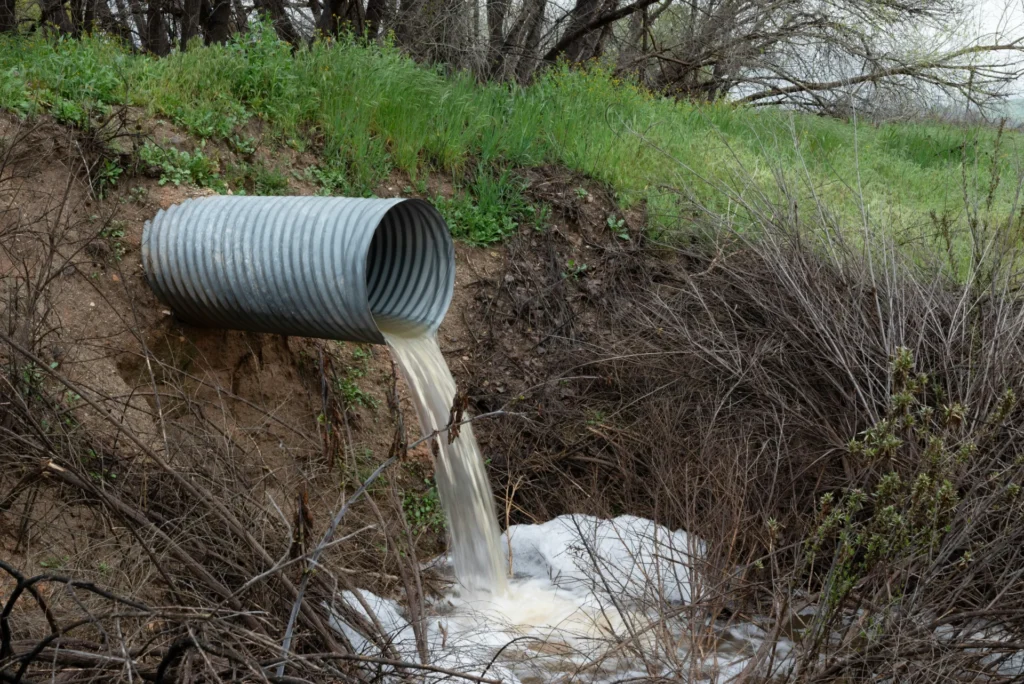
A drain survey is a professional inspection of a property’s drainage network using CCTV. The survey identifies issues such as cracked or collapsed pipes, root intrusion, joint displacement, blockages, and gradual structural deterioration. These defects are rarely visible during standard inspections and often only become apparent after purchase, once flooding, recurring blockages, or foul odours begin to surface. For investors, this timing is critical: post-purchase discoveries often lead to unplanned repair costs, insurance claims, and potential disputes with tenants or buyers. A drain survey converts hidden uncertainty into clear technical and financial information, enabling better budgeting, negotiation, and long-term planning.
How CCTV and Drain Surveys Work Together to Reduce Investment Risk
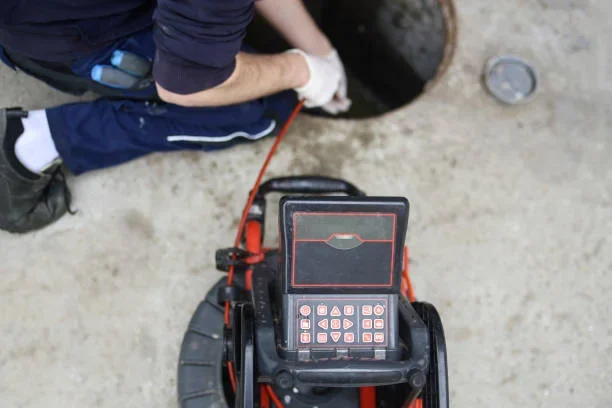
CCTV inspections and drain surveys are most effective when viewed as complementary risk-management tools. Drain surveys are typically used before purchase to detect existing defects and assess the true condition of underground assets. CCTV inspections then support ongoing ownership by providing periodic visibility into system performance. Together, they form a layered approach to risk control: early-stage surveys reduce acquisition risk, while ongoing monitoring limits long-term deterioration and unexpected failures. This structured approach aligns drainage management with broader investment due diligence.
The Hidden Costs of Ignoring Drainage Problems
Drainage failures are a major contributor to property-related financial loss in the UK. Flood damage costs the UK £1.3 billion annualy with a significant proportion linked to preventable drainage defects and inadequate maintenance. Flood damage alone costs billions annually, with a significant proportion linked to preventable drainage defects. Water escapes remain one of the most common insurance claims, often resulting in average repair costs of around £3,600 per incident. Beyond insurance excesses, property owners may face increased premiums, lost rental income, legal disputes, and reduced resale value. In many cases, these costs stem from problems that developed gradually and could have been identified earlier through proper inspection.
How Modern Drain Survey Technology Protects Property Value
Modern CCTV drain survey technology offers a level of precision that was previously unavailable. High-definition cameras reveal fine cracks, early joint movement, and subtle signs of wear. GPS-enabled systems accurately locate defects, reducing excavation time and repair costs. Digital reports include annotated footage, drainage maps, and prioritised recommendations with estimated repair costs. For investors, this information supports accurate budgeting, informed negotiations, and long-term maintenance planning. The value lies not in the technology itself, but in the financial predictability it provides.
When Property Investors Should Schedule a Drain Survey
There are several key points in the property lifecycle where a drain survey is particularly valuable. Before purchasing, it helps identify hidden liabilities and supports price negotiation. When selling, it provides documented evidence of system condition, reducing the risk of last-minute disputes. For rental properties, periodic inspections demonstrate duty of care and help prevent recurring tenant complaints. Surveys are also advisable before major renovations, after extreme weather events, or as part of a planned maintenance schedule for high-value or commercial properties. Regular inspections every two to three years help track system health over time.
Also Read: Handling Tough Situations: Supporting Tenants and Managing Your Rental
Conclusion: Drain Visibility Is Investment Protection
Drainage systems may be hidden, but their financial impact is not. CCTV drain surveys provide investors with visibility, documentation, and clarity over one of the most overlooked aspects of property ownership. By identifying issues early and monitoring system condition over time, investors can reduce uncertainty, control costs, and protect long-term property value. In property investment, informed prevention is always cheaper than reactive repair, and visibility is the foundation of informed decision-making.
Also Read: How Proper Land Maintenance Can Boost Your Property’s Resale Value