




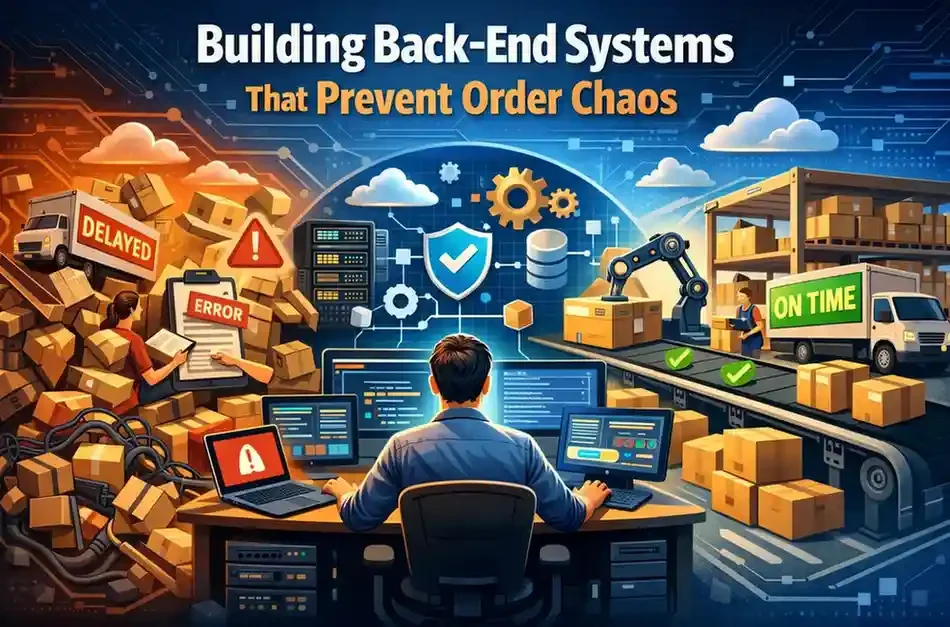
Order chaos rarely starts with a single mistake. It builds quietly. A missed notification here. A delayed update there. At first, teams patch issues manually and move on. Over time, those patches become habits, and the habits become stress. Customers feel it before anyone else does: orders arrive late, inventory counts stop matching reality, and support inboxes fill faster than they clear. This is hardly surprising, given that only about 6 % of companies report full visibility across their entire supply chain, while 69 % still lack total visibility into operations.
Businesses that stay steady through growth understand one thing early. Order flow is not just about speed. It is about structure. Strong back-end systems prevent confusion long before it shows up on the front end.
Have questions about this story?Ask Tundra for more details, context, or updates.
Chaos Often Begins After the Sale
Many sellers focus heavily on checkout and marketing. The moment money changes hands, attention shifts elsewhere. That is where problems start. Orders move through payment processing, inventory allocation, fulfillment, shipping, and customer communication. When even one of these steps lacks clarity, small delays multiply.
Teams that experience chaos often rely on disconnected tools. One platform tracks sales and another tracks inventory. A third handles shipping. Information moves slowly between them, often by hand. This creates gaps where mistakes hide.
Visibility Keeps Teams Calm
Clear systems reduce guesswork. It’s easier to decide if everyone can see where an order sits. A fulfillment delay no longer triggers panic because the cause is visible. Lastly, inventory discrepancies get resolved faster because data updates are consistent.
Back-end systems that work well give teams a shared view. Orders update in real time. Stock levels also adjust automatically. Shipping status reflects reality. This transparency removes tension from daily operations.
Standardized Processes Reduce Human Error
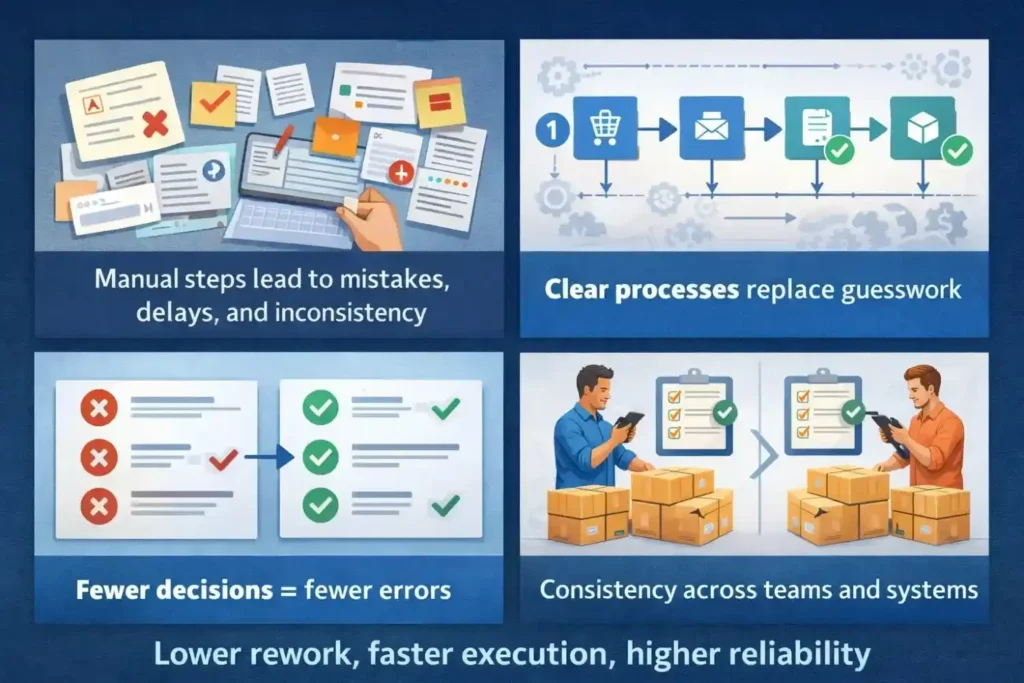
Chaos thrives when processes change depending on who is working that day. One employee checks the inventory before confirming an order. Another assumes the system is correct. One team prints labels in batches. Another prints them individually.
Strong systems enforce consistency. The same steps happen every time. Checks occur automatically. Exceptions get flagged instead of slipping through. This removes pressure from staff and reduces burnout caused by constant problem-solving.
Integration Matters More Than Features
Businesses chase tools with the longest feature lists. In practice, integration matters more. Systems that communicate cleanly prevent double work and missed updates. A single order should not need to be entered, confirmed, and tracked in multiple places.
Effective ecommerce management services focus on unifying these pieces. Orders flow from sale to shipment without manual handoffs. Then, inventory syncs beautifully across channels, and customer notifications trigger automatically. This cohesion keeps operations predictable even during busy periods.
Inventory Control Is the Quiet Backbone
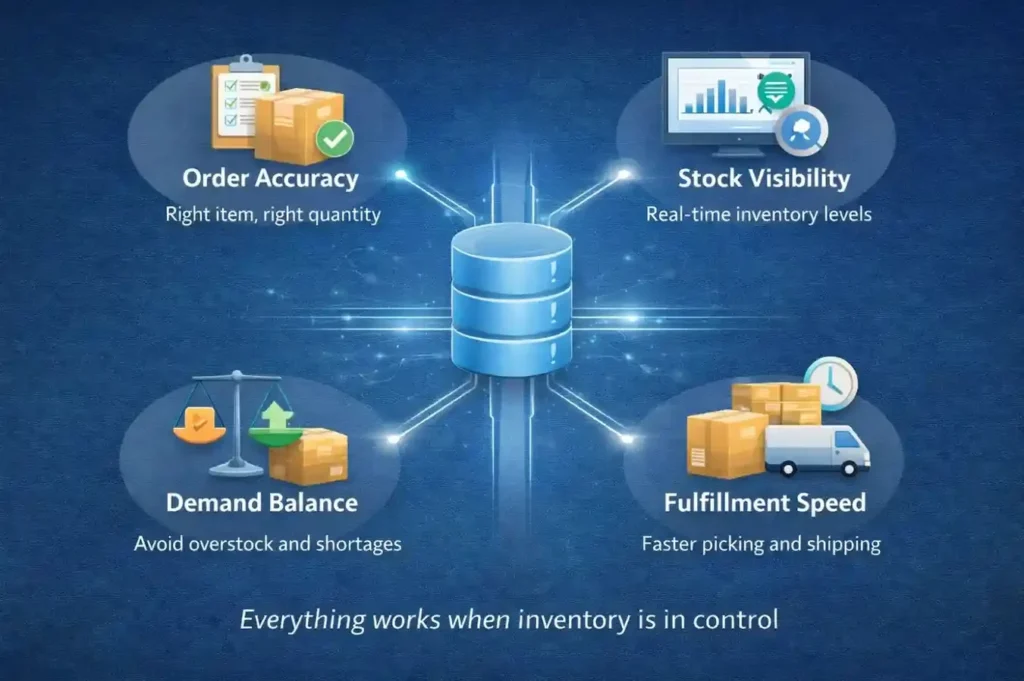
Few things cause chaos faster than inaccurate inventory. Overselling leads to cancellations. Underselling leaves money on the table. Both erode trust internally and externally.
Strong back-end systems update inventory at the moment of sale, not hours later. They account for returns, holds, and damaged stock. They allow teams to see trends before problems appear. When inventory behaves predictably, everything else stabilizes.
Also Read: Reducing Costs with Efficient Retail Inventory Management Approaches
Exception Handling Deserves Structure Too
No system prevents every issue. Packages get delayed. Items arrive damaged. Addresses change. The difference between calm teams and overwhelmed ones lies in how they handle exceptions.
Good systems isolate exceptions instead of letting them flood daily workflows. Delayed orders get flagged. Returns follow a clear path. Support teams see context without searching across platforms. This keeps small problems from disrupting everything else.
Elements that help contain chaos include:
- Centralized order dashboards
- Automatic inventory adjustments
- Clear fulfillment status markers
- Structured return and exchange flows
Documentation Supports Long-Term Stability
Back‑end systems should not live only in someone’s head. Documentation matters. When processes are written clearly, new hires ramp faster, existing staff make fewer assumptions, and transitions happen smoothly. This is especially important because research shows that 63 % of knowledge workers spend too much time searching for the right people or information when documentation is lacking.
Businesses that document workflows experience less disruption. It doesn’t matter if people leave or roles change. The system remains intact because it does not depend on individual memory.
Also Read: How Smarter Document Management Transforms Teams
Growth Tests Systems, Not Just People
Rapid growth exposes weaknesses quickly. Order volume increases. Channels multiply. Customer expectations rise. Businesses without solid systems feel this as constant firefighting. Those with strong back-end structures experience growth as busy.
The difference comes down to preparation. Systems built with scalability in mind can handle large volumes. Teams focus on improvement and it alone.
Calm Operations Create Better Decisions
A predictable order flow gives leadership more space to think. Data becomes reliable, and planning improves. Eventually, stress drops. This calm influences every part of the business, from customer experience to financial forecasting.
Back-end systems do not attract attention when they work well. They simply keep everything moving. Businesses that invest in them early avoid the costly lesson of fixing chaos after it becomes visible.
Order chaos is rarely unavoidable. With the right structure in place, it becomes something businesses quietly prevent day after day, without ever needing to react.