



Disclaimer: This content is for informational purposes only and does not replace professional advice. Implement security measures at your own risk.
The importance of phone safety in 2025 cannot be overstated. Smartphones have become a central part of modern life, serving as tools for communication, work, banking, entertainment, and more. However, this convenience comes with significant risks. Cybercrime is growing at an alarming rate, and attackers are becoming increasingly sophisticated in their methods. Hackers, identity thieves, and other malicious actors are now targeting smartphone users more aggressively than ever before, aiming to steal personal information, financial data, or even gain access to sensitive accounts. In fact, according to Statista, there were about 5.4 million mobile cyberattacks globally in that month alone, a sharp increase compared with the previous year. With this in mind, everyone needs to take steps to protect their devices, personal information, and digital identity. This article will provide practical phone safety tips to help you secure your device and stay safe in a rapidly evolving digital landscape.
Have questions about this story?
Ask Tundra for more details, context, or updates.
Secure Your Device Basics
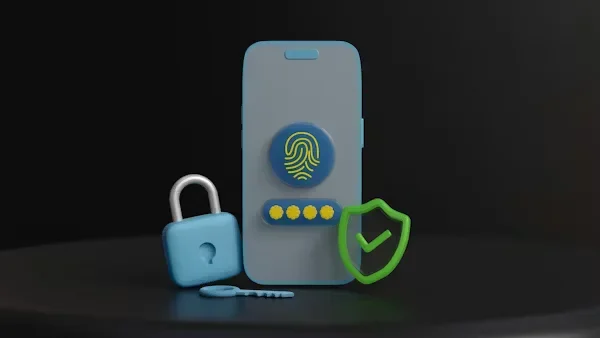
The first step to maintaining phone security is to focus on basic device protection. Start by setting a strong, unique passcode or password that is difficult for others to guess. Avoid obvious choices such as your birthdate, “1234,” or simple patterns. Whenever possible, enable biometric authentication, such as Face ID or fingerprint recognition, for an additional layer of protection.
Keeping your software up to date is also critical. Both your phone’s operating system (iOS or Android) and individual apps receive regular security updates that patch vulnerabilities. Enabling automatic updates ensures you are protected against the latest threats without having to remember to check manually.
Also Read: Cybersecurity Tips For iOS And Android Mobile Devices.
Another critical step is configuring your auto-lock settings so your phone locks quickly when not in use. A phone that locks automatically after a short period of inactivity reduces the risk of unauthorized access if your device is lost or stolen. These fundamental security measures provide a strong foundation for phone safety and are essential for all users.
Manage Connectivity and Network Risks
Connectivity can be one of the most significant security risks for smartphone users. Public Wi-Fi, for instance, is often convenient but can be extremely dangerous. Many public networks are unsecured, allowing attackers to intercept your data, including passwords, personal messages, and banking information. To reduce this risk, avoid logging in to sensitive accounts while using public Wi-Fi and disable your device’s auto-connect feature to prevent it from automatically joining networks.
Public charging stations pose another hidden threat: “juice jacking.” Cybercriminals can install malware into public USB charging points to steal data or compromise devices. To stay safe, use your own charger and cable, or consider using a portable power bank when traveling. A VPN for iPhone is a valuable tool that encrypts your browsing and creates a secure connection.
Prevent Phishing, Malware, and Risky Apps
Phishing attacks, malware, and rogue apps increasingly target smartphones. One common technique is “smishing,” where attackers send fraudulent text messages that appear legitimate, attempting to trick you into revealing passwords or personal information. To protect yourself, always be cautious of unsolicited messages, especially those asking you to click a link or download an attachment. Instead of clicking a link in a message, visit the official website or app directly.
Also Read: Why Does My Phone Say “SOS Only”? Causes & Fixes
When it comes to apps, always download them from official app stores such as the Apple App Store or Google Play Store. Review app permissions carefully before installing, and question whether an app really needs access to sensitive information such as your location, contacts, or microphone. Regularly auditing your installed apps and removing ones you no longer use reduces your exposure to potential malware or data leaks.
Protect Your Privacy and Data in an Evolving Threat Environment
Cyber threats are constantly evolving, and mobile devices are now a primary target for attackers. Large-scale data breaches, telecommunications attacks, and sophisticated hacking campaigns have become more common. To protect your privacy, it’s essential to stay informed about the latest security developments and trends.
Limit location sharing to only apps that genuinely need it, and regularly review which apps have access to your personal data. Consider backing up sensitive information to secure, external storage rather than relying solely on your device. Using encrypted cloud storage or offline backups ensures you have access to your data even if your device is compromised.
Enabling two-factor authentication (2FA) for critical accounts adds another layer of security. Even if a password is stolen, 2FA requires a second verification step, making it much harder for attackers to gain access.
Also Read: Cyber Warfare: The Silent Battlefield of the 21st Century
Build a Strong Foundation of Phone Security
Every smartphone user needs to recognize the growing threat of cybercrime. While smartphones are indispensable in daily life, this convenience comes with responsibilities. By implementing the strategies outlined above, strong passcodes, biometrics, secure connectivity, cautious app usage, and proactive privacy measures, you can significantly reduce your risk of falling victim to cybercrime.
Phone safety is not just about protecting your device; it’s about protecting your digital identity, personal information, and peace of mind. With awareness, vigilance, and the proper habits, you can enjoy all the benefits of modern smartphones while minimizing exposure to threats. Taking these steps in 2025 and beyond ensures that your phone remains a safe, reliable, and secure tool in your daily life.