




When someone types “Paul Hilse review” into a search engine, they’re usually in the middle of a decision. They’ve seen an ad, watched a video, maybe already had an initial call with his team and now they want an outside perspective before committing. That’s a reasonable thing to want.
This article covers who Paul Hilse is, what Freedom Accelerator actually involves, and what anyone considering it should think through before enrolling.
Have questions about this story?Ask Tundra for more details, context, or updates.
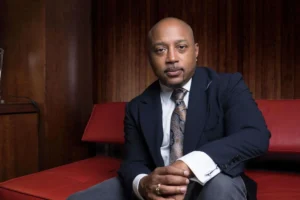
Who Is Paul Hilse?
Based on publicly available information, Paul Hilse is a New Jersey-based entrepreneur who built his business around YouTube automation, a model where channels run using outsourced creators rather than the channel owner appearing on camera or producing content directly.
According to his own published interview with PhillyVoice, Hilse started at 17, spending hours after school writing scripts and editing videos. He has spoken publicly about losing his father, his family’s experience with a real estate scam, and a period of homelessness, crediting YouTube automation with pulling his family out of those circumstances.
He has since received YouTube’s Silver and Gold Play Buttons across multiple channels and founded Freedom Accelerator in 2022, positioning it as a coaching company teaching others the same model.
What Is Freedom Accelerator?
Freedom Accelerator is a coaching program built around creating and scaling faceless YouTube channels, where content is produced by outsourced writers, voiceover artists, and editors, with the channel owner acting more as a project manager than a creator.
According to program descriptions, the training covers niche selection, channel setup, content outsourcing, monetization through YouTube AdSense, and scaling to multiple channels. The program reportedly includes over 40 hours of training, weekly live Q&A sessions, a private community, and regularly updated content, according to its official program page.
The entry point is a discovery call rather than a public checkout page, and pricing is not listed openly, something multiple independent reviews have flagged. Based on third-party sources, reported costs have ranged from around $1,497 for the base tier to considerably more for premium tiers. There is no standard refund policy, though coaching access is said to continue until a student’s channel is monetized.
How the Program Claims to Work
According to publicly described program structure, Freedom Accelerator follows five steps: book a free call, get accepted, receive coaching, work toward monetization, and then scale. Dedicated coaches check in regularly, and weekly live sessions give students access to practitioners who have built six and seven-figure channels. Templates for hiring creators, niche cheat sheets, and channel optimization tools are also included.
The core idea is that someone without any video background can run a YouTube channel as a business as production is handled by a hired team, while the student manages strategy and growth. If you’re thinking about how content fits into a broader business plan, our guide on content marketing strategy is worth reading alongside this.
Who This Type of Program May Suit

YouTube automation works best for people with capital to invest and comfort managing a small remote team. Ongoing freelancer costs make it a model that requires financial readiness from the start.
Based on available reviews, Freedom Accelerator tends to suit people who are new to YouTube, comfortable with a hands-off content model, and patient enough to wait several months before seeing returns. Independent reviews consistently note it may be less suited to those already experienced with YouTube or remote team management.
Potential Benefits and Realistic Limitations
The program appears to offer structured training with active coaching support, something that separates it from self-paced courses where students navigate largely on their own. The community and live Q&A sessions are cited in several student accounts as genuinely useful.
On the other hand, YouTube automation is not passive income from the start. It requires active management, consistent reinvestment in freelance production, and patience as monetization typically takes several months at minimum. YouTube’s evolving policies around faceless and AI-assisted content also introduce platform risk. YouTube’s own monetization policy page now explicitly flags repetitive and mass-produced content as ineligible for monetization.
The lack of pricing transparency before a sales call has been a repeated concern in third-party reviews, including on Reddit, where some users have noted that parts of the training overlap with freely available information. Results vary significantly between students, and Freedom Accelerator’s own disclosures state clearly that no income or results of any kind are guaranteed.
What to Consider Before Enrolling
Before enrolling, it’s worth asking directly: what is the full cost across all tiers, what does the refund process look like, and how long does coaching access last? These questions are reasonable to raise on the initial call and worth getting clear answers on before committing.
Researching the YouTube automation model independently, outside of program materials, is also advisable. Understanding YouTube’s current policies on faceless content, how AdSense payouts work, and what realistic monetization timelines look like helps set expectations based on the platform’s actual mechanics. Conversations with past students, particularly those who finished the program more than six months ago, tend to be more informative than curated testimonials.
Final Thoughts Worth Considering

Paul Hilse has a documented presence in the YouTube automation space, a point examined in depth in this LinkedIn analysis of his legitimacy and what YouTube automation actually requires, and Freedom Accelerator appears to be a real coaching program with structured content and active mentorship. Based on program descriptions and publicly available reviews, it offers genuine training for people interested in building faceless channels, though outcomes depend heavily on individual effort, starting capital, and how the YouTube landscape continues to evolve.
Whether it’s the right fit comes down to where someone is starting from and what they’re genuinely prepared to commit, financially and in terms of time. Clear expectations and independent research, done before any sales call, make for a much sounder starting point.