



Tensions between Pakistan and Afghanistan have escalated dramatically into what Pakistan’s defense minister described as “an open war” after a series of cross-border attacks and military strikes this week, marking one of the most serious confrontations between the two neighboring nations in years.
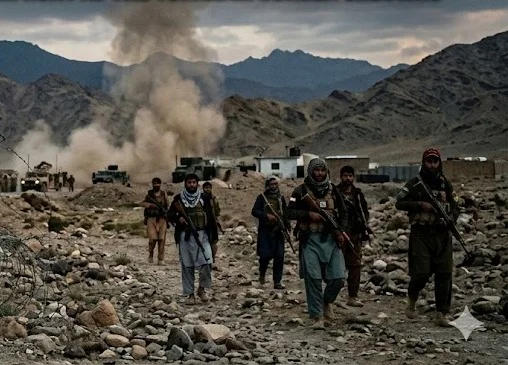
Pakistan launched air and ground strikes inside Afghanistan on Friday, targeting sites in the capital Kabul and in the southern provinces of Kandahar and Paktia, Pakistani officials said. Defense Minister Khawaja Mohammad Asif declared that Islamabad’s patience had “run out” and that the countries were now in “open war” following weeks of rising hostilities along the 1,600-mile border.
“We are in open war between us and you,” Asif wrote on social media platform X, accusing the Afghan Taliban government of harboring militant groups that have carried out cross-border attacks on Pakistani territory.
The Afghan side, led by the Taliban-controlled government, reported striking Pakistani military positions in response and claimed to have inflicted casualties on Pakistani forces during recent confrontations, though casualty figures differ sharply between the two sides.
The violence follows months of sporadic clashes along the Durand Line, the disputed frontier between Pakistan and Afghanistan, and breaks down a shaky cease-fire brokered last year. Civilian areas and border towns have seen shelling and explosions as both militaries pursue offensive operations.
Regional powers and international organizations have expressed concern over the rapid escalation. The United Nations and several countries, including Russia and Turkey, have urged both nations to halt attacks and return to diplomatic negotiations to prevent further loss of life and destabilization in South Asia.
Also Read: Russia and Ukraine Report Rising Casualties as War Grinds On
The developing conflict has raised fears of a broader regional crisis as Pakistan, a nuclear-armed state with a significantly larger military, and Afghanistan, controlled by the Taliban, risk further bloodshed without immediate de-escalation.