


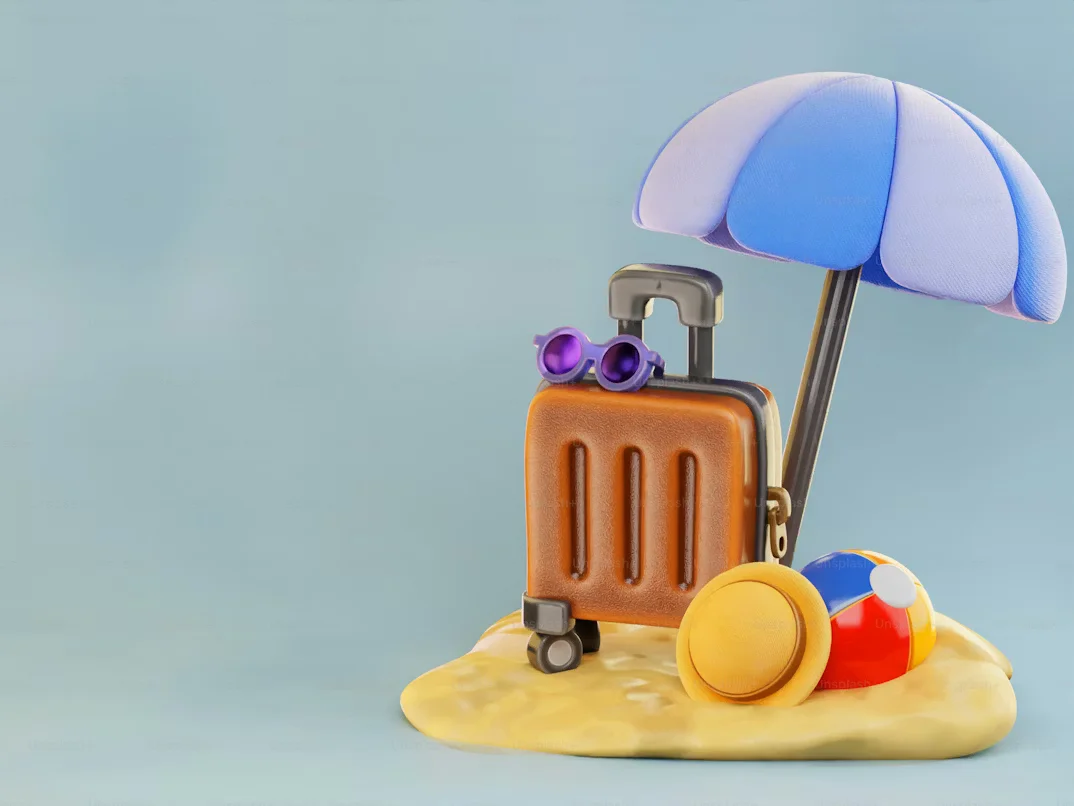
Packing for a summer beach vacation can be a big task. You may pull too many clothes from the closet, line up all your toiletries on the bed, and still feel unsure about what to put in the suitcase. Ideally, a short beach trip calls for restraint; you don’t need to pack a backup for every possible scenario. If you can cut the list early and choose each item with practicality in mind, you’ll find it much simpler and easier to prepare for a beach trip without loading your bag with things you will not use. Here’s how:
Have questions about this story?Ask Tundra for more details, context, or updates.
How to choose your beach essentials
Start with the items you know you will use near the water. For example, one or two women’s bathing suits can cover a short beach trip without filling the suitcase with extra options. By rinsing and drying one while you wear the other, you can easily rotate a couple of swimsuits throughout the entire vacation.
Keep the rest of your clothing simple. Shorts, tank tops, light dresses, and loose shirts can help you get through hot afternoons without taking up much space in your luggage. Cotton and linen often feel easier to wear in warm weather than heavier fabrics. For the evening, one light layer can do more work than several backup pieces. A cardigan, thin shirt, or shawl can help insulate against cooler air after sunset without taking up much room.
Shoes can eat up a lot of space, so don’t go nuts with your shoe collection. A pair of sandals or flip flops can easily cover beach use, and one pair of walking shoes can handle travel days or longer outings. That combination is a lot more practical than several pairs packed for plans that may never happen.
Makeup and hygiene products
Toiletries can take up a surprising amount of room in a suitcase. Full-size bottles take up room quickly, so go shopping for smaller, travel-sized containers. Pack the products you know you will use, then stop there. A beach vacation does not call for the full contents of a bathroom shelf.
If you wear makeup, consider heat, humidity, and time near the water before deciding what to bring. Heavy products can feel uncomfortable in hot weather, so lighter formulas can make more sense. Water-resistant options can also help if you expect long hours outside. Sunscreen needs room in the bag as well, since a beach trip usually means more direct sun than a normal day at home.
Also Read: Packing Light, Traveling Right: A Guide to Smarter Trips in 2025
Again, be practical and edit yourself as much as possible here. If a product is likely to stay untouched in the room, leave it behind. That decision cuts clutter and frees space for the items you will actually use.
Accessories and gadgets
Accessories can help, but they can also fill a bag with low-value extras. A pair of sunglasses and a hat can provide basic sun protection without taking up much space in your luggage. A tote can carry the items you want during the day and spare you from hauling the full suitcase around once you arrive.
For electronics, less usually works better. Your phone may already cover photos, directions, messages, and reading, so you may not need much else. A tablet or e-reader can still earn a place in the bag if you know you will use it. A laptop should stay at home unless the trip includes work. Sand, heat, and water already create enough risk, and each extra device adds one more thing to charge, carry, and protect.
Packing tips and tricks
Once you settle on what to bring, the way you pack can free more room. Beauty essentials include clothing, hygiene products (solid versions are lighter and TSA-friendly), and medication. Rolling clothes can save space and reduce creasing compared with loose folding. Packing cubes can also help if you want to separate swimwear, clothing, and toiletries instead of digging through the whole suitcase every time you need something.
Place heavier items near the base of the suitcase so you can handle the bag more easily in transit. Keep liquids sealed in a separate pouch in case something leaks. Small choices at this stage can prevent a mess from ruining the rest of your packing.
Don’t forget the important things
Before you close the suitcase, check the items that can cause real problems if you misplace them. Your passport or identification, boarding pass, accommodation details, insurance information, medication, cards, and some cash need to stay easy to reach. If you bury those items under clothing or pack them in the wrong bag, you can cause unnecessary stress at the airport or upon arrival.
A lighter suitcase usually comes from editing the packing list before anything goes into the bag. If you limit duplicates, choose versatile items, and leave low-priority extras at home, you can travel with less bulk and less fuss.