





Some people move through their week with a steady rhythm that looks effortless from the outside. Their mornings don’t feel rushed, yet their tasks fall into place. Even when plans change, they seem to adjust without losing momentum. The real story, however, is quieter. These people rely on systems that grew slowly, shaped by trial, error, and the desire to make room for calm in a busy life. That desire is understandable. Statista shows that stress and burnout remain common in everyday life, which helps explain why many people turn to simple planning systems and visual structure to regain a sense of control and mental ease.
Good planning isn’t about strict rules or perfect handwriting. It’s about arranging the day so it feels manageable. Many organized people use simple tools to hold their thoughts, often with the help of small items like tabs, markers, or other accessories for planners that bring structure to scattered lists. These tools help them see what matters and let go of the rest.
Have questions about this story?Ask Tundra for more details, context, or updates.
They Look for Patterns Before Choosing a Routine
People who stay organized tend to watch themselves closely. They notice when their energy rises or dips. They pay attention to how long tasks actually take. These patterns guide their decisions. Instead of creating a schedule that fights their natural rhythm, they build one that works with it. Over time, their days feel smoother because each task sits where it fits best.
They Keep Their Setup Simple Enough to Use Daily
Complicated systems fall apart quickly. Organized people avoid that trap. They keep their tools visible and easy to reach. Their planner stays open on the desk. Their pens live in one small container. Their tabs and sticky notes stay close by. The fewer steps it takes to stay organized, the more likely they are to stick with it. Simplicity keeps the routine alive.
They Give Their Tools a Clear Purpose
A good system depends on clarity. Organized people decide what each tool is for and avoid mixing everything together. One notebook might hold personal tasks. Another page might track long projects. Their planner shows commitments for the week. When items stay in their place, nothing gets buried. This keeps the brain from working too hard just to locate information.
Also Read: AI in Project Management: Smarter Decisions, Faster Results
They Break Big Tasks Into Movements They Can Handle
Large responsibilities create stress because they feel too heavy to lift at once. People who plan well divide these tasks into smaller movements. A research project becomes five minutes of notes. A home project becomes a single shelf or one drawer. Progress turns into something that fits into short pockets of time. These small steps give them a sense of motion instead of overwhelm.
They Protect Their Planning Window
Most organized people choose a quiet time each week to review everything. It might be a slow morning or a calm evening. During that time, they look at what happened, adjust what needs shifting, and set priorities for the days ahead. This habit keeps the system stable. Without that review, the clutter grows, and the structure starts to fade.
They Create Visual Breaks That Guide Their Attention
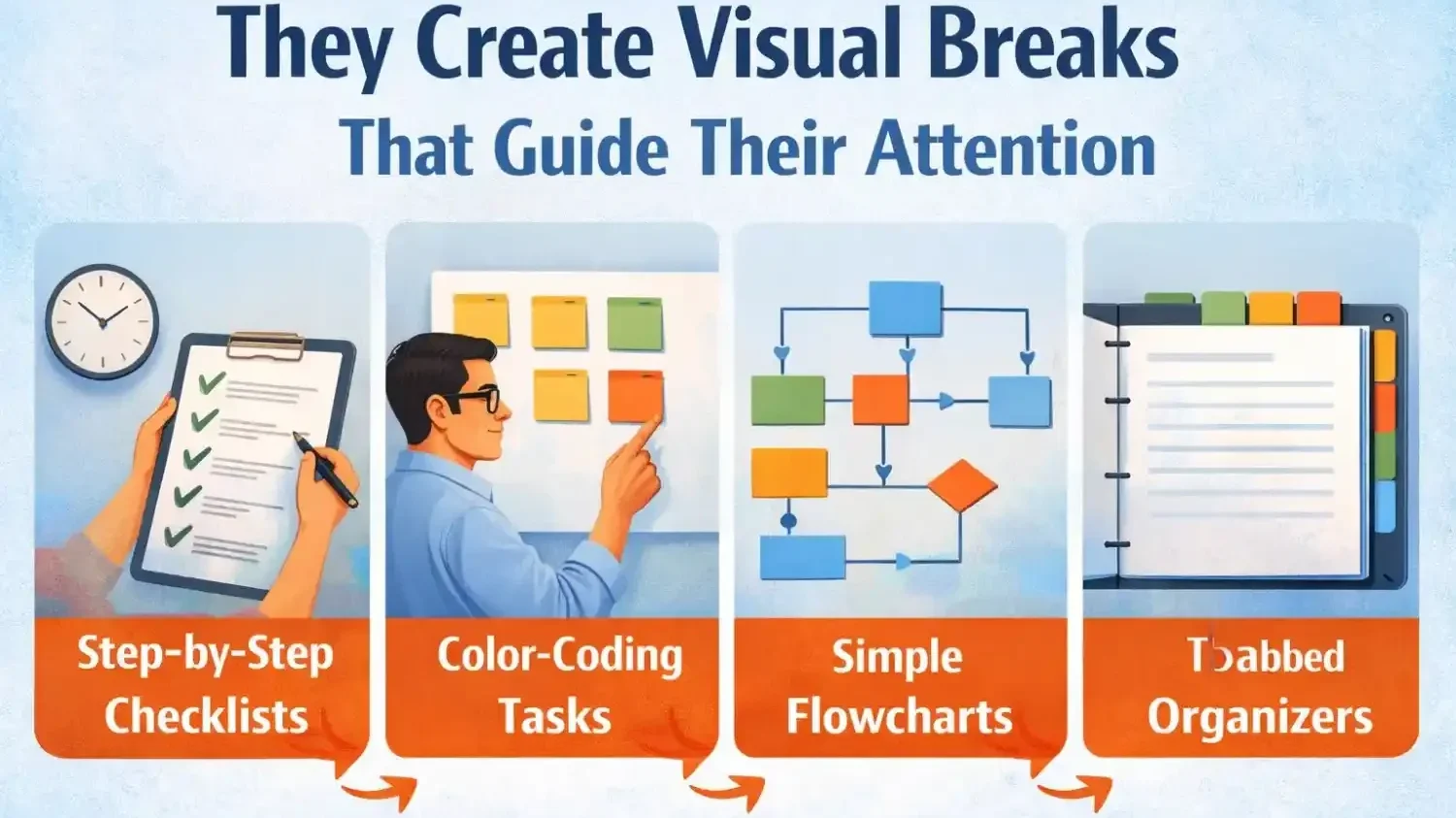
Pages filled with uninterrupted text make planning harder. Organized people add spacing or small markers to help their eyes move through tasks. It is more about clarity than decoration. These visual breaks help them see priority items quickly and keep the page from feeling crowded.
Here is one simple way they divide their load:
- Work that requires long focus
- Work that can be done while moving around
- Work that depends on others
- Work tied to specific days
These categories help them stay realistic about what they can finish.
They Plan for Disruptions Instead of Waiting for Them
Good planning accepts that life rarely runs on time. Organized people build buffer space into their schedule. They leave a small gap between meetings and avoid filling every hour. They prepare alternatives in case things shift. The system bends without breaking because of distractions. This flexibility keeps stress from stacking too quickly.
Also Read: Choosing the Right Capacity Planning Software for Teams