




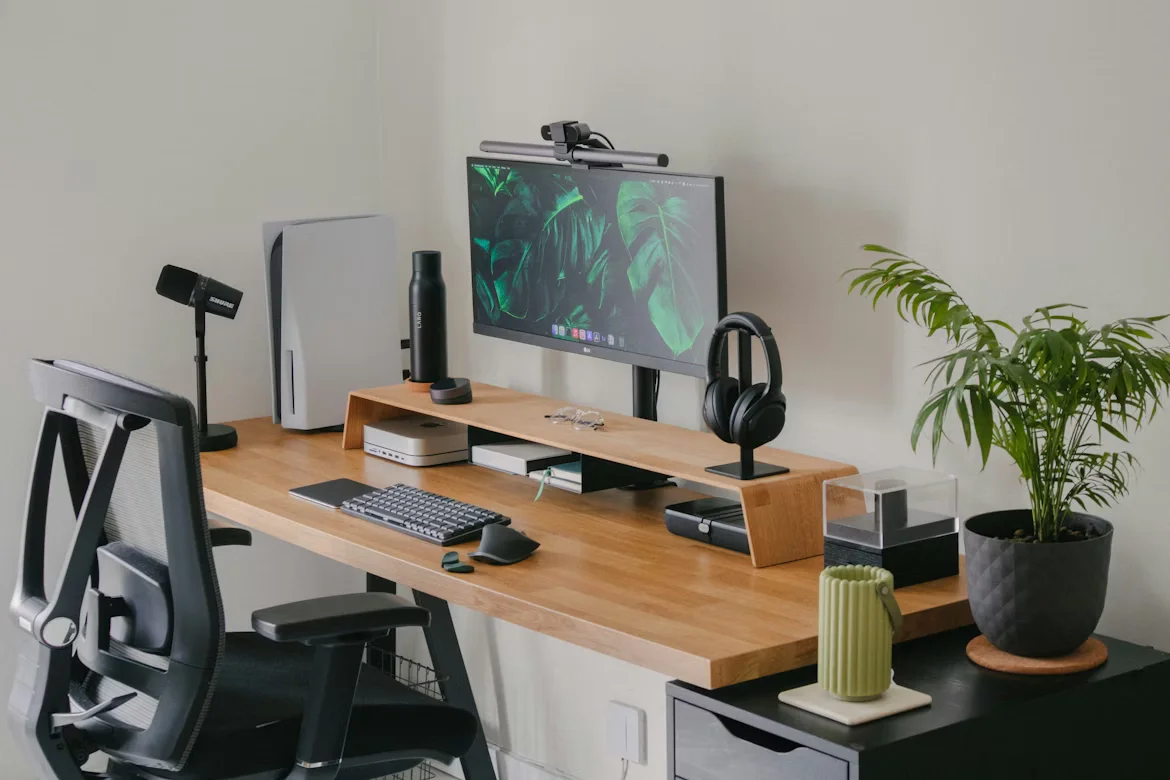
A minimalist work desk is more than an aesthetic trend; it is a practical approach to improving focus, productivity, and well-being. In Australia, where flexible work and home offices have become the norm, many professionals are seeking ways to simplify their workspaces without compromising functionality. The challenge lies in striking the right balance: reducing visual clutter while retaining everything needed for efficient, day-to-day work.
This guide explains how to create a minimalist work desk that remains fully functional, professional, and tailored to modern Australian work habits.
Have questions about this story?
Ask Tundra for more details, context, or updates.
Why a Minimalist Work Desk Improves Productivity
A cluttered desk can negatively impact concentration, decision-making, and stress levels. Research consistently shows that visual clutter competes for attention, reducing cognitive performance. A minimalist work desk, by contrast, encourages clarity and intentionality. Every item has a purpose, and nothing distracts from the task at hand.
Minimalism does not mean an empty desk. Rather, it means removing excess while thoughtfully selecting tools that support how you work. For remote professionals, small business owners, and corporate employees alike, a minimalist desk can improve workflow and create a more professional environment for virtual meetings.
Start With a Clear Desk Audit
The first step in creating a minimalist workspace is assessing what you currently use. Remove everything from your desk and ask three questions about each item:
- Do I use this daily or weekly?
- Does this directly support my work?
- Does this item earn its place on my desk?
Items that are rarely used should be stored elsewhere. Decorative objects should be limited and intentional. This process alone often removes up to half of the clutter on a typical desk.
Choose the Right Desk and Layout
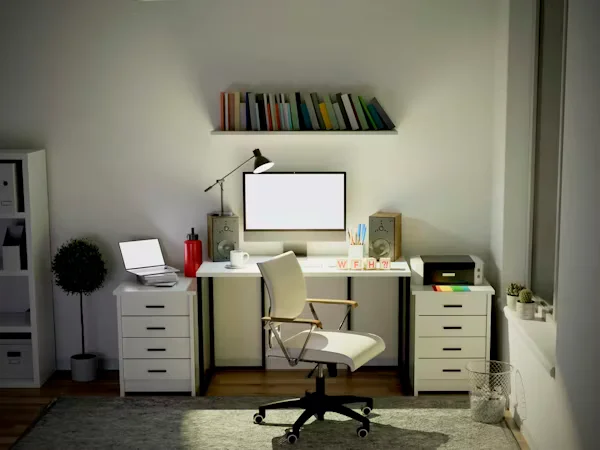
A minimalist work desk starts with the desk itself. Clean lines, neutral colours, and practical proportions are key. In Australian homes where space can vary significantly, a desk that fits comfortably without dominating the room is essential.
Key considerations include:
- A flat, uninterrupted surface
- Built-in cable management if possible
- Adequate depth for ergonomic monitor placement
Position your desk to maximise natural light where possible, as this reduces eye strain and enhances the sense of openness that minimalism relies on.
Prioritise Functional Essentials Only
A minimalist desk should only contain items you actively use. Typically, this includes:
- Computer or laptop
- Monitor (if required)
- Keyboard and mouse
- Notebook or planner
- Pen or stylus
Anything beyond these should be carefully evaluated. For example, if you primarily take digital notes, a single high-quality pen and notebook may be sufficient rather than a full stationery set.
Smart Storage Is the Key to Minimalism
Minimalism relies heavily on smart and effective storage solutions. Instead of leaving items scattered on the desk, it’s important to store them in a way that keeps them accessible while remaining out of sight, preserving the clean, uncluttered look. Practical options include a slim desk drawer for documents and stationery, vertical file storage to keep essential papers organized, and cable trays or under-desk mounts for power boards and chargers.
For Australian professionals working from home who often share their workspace with other household activities, having organized, concealed storage is particularly valuable. It allows the desk to transition seamlessly between work and personal use, maintaining both functionality and a visually calming environment.
Manage Cables for a Clean Look
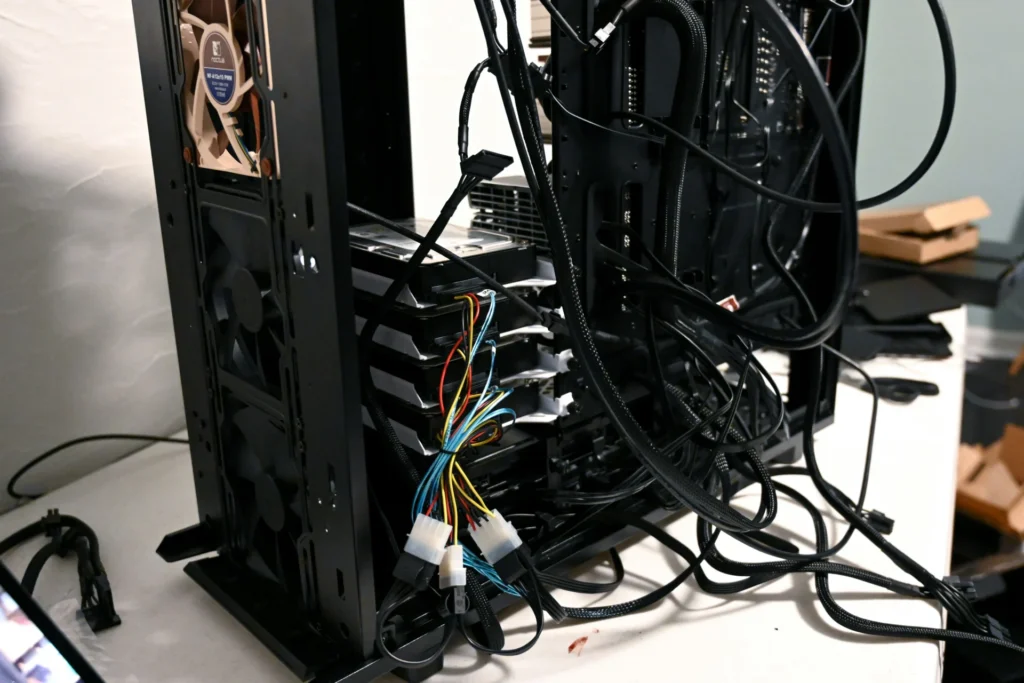
Cable clutter is one of the biggest obstacles to achieving a truly minimalist desk. Visible cords not only disrupt the clean, streamlined aesthetic but can also create daily frustration, make cleaning difficult, and even pose safety hazards if they get tangled or caught underfoot. Effective cable management is essential for both appearance and functionality. Solutions include using cable clips fixed under the desk to keep cords neatly aligned, Velcro or reusable ties to bundle multiple cords together, and switching to wireless peripherals such as keyboards, mice, and headphones whenever practical.
For power management, under-desk cable trays or mounted power strips can hide multiple plugs and reduce the number of visible cords. Additionally, labelling cables can save time when rearranging devices or troubleshooting connections. Reducing cable clutter not only enhances the overall visual appeal of your workspace but also makes it easier to clean, reconfigure, and maintain a functional, stress-free environment.
Maintain Ergonomics Without Visual Clutter
Functionality should never be sacrificed for appearance. A minimalist desk must still support proper ergonomics, particularly for those working long hours.
To maintain both comfort and minimalism:
- Use a monitor arm instead of a bulky stand
- Choose a slim, supportive chair that complements the desk
- Keep frequently used items within arm’s reach
Ergonomic accessories should blend into the workspace rather than dominate it.
Limit Décor to Intentional Elements
Minimalist décor should be purposeful and restrained. One or two carefully chosen items can add warmth without clutter.
Appropriate minimalist desk décor may include:
- A small indoor plant
- A framed photo or artwork
- A simple desk lamp with clean lines
In Australia, natural materials such as timber, ceramic, or linen often complement minimalist interiors while maintaining a professional appearance.
Create a System for Ongoing Maintenance
The most overlooked aspect of maintaining a minimalist work desk is establishing a consistent maintenance routine. Without a clear system in place, clutter inevitably creeps back, undermining the benefits of a clean workspace. Simple habits can make a significant difference: clearing your desk at the end of each workday, reviewing the items on your desk weekly, and digitising documents whenever possible all help to keep your workspace functional and uncluttered. Minimalism is not just a one-time setup; it is an ongoing practice that requires regular attention and intentional effort to maintain a productive and serene work environment.
Also Read: Boosting Workplace Efficiency: How Business Owners Can Improve Employee Comfort and Productivity
Final Thoughts
Creating a minimalist work desk without losing functionality is entirely achievable with thoughtful planning and intentional choices. By focusing on essentials, investing in smart storage, and maintaining ergonomic standards, you can design a workspace that supports productivity, professionalism, and well-being.
For Australian professionals navigating hybrid and remote work, a minimalist desk is not just a design preference; it is a practical strategy for working better, with less distraction and more clarity.