


Life in Alaska’s remote villages and the state’s major cities, like Anchorage, Fairbanks, and Juneau, is very different. After researching this deeply and looking at the latest 2024–2025 data, I can tell you that the difference is bigger than most people imagine. It almost feels like two completely different Alaskas living side by side.
In this guide, I’ll walk you through what you would actually see, feel, and experience in both places using real numbers, real challenges, and real strengths. By the end, you’ll clearly understand what life truly looks like beyond the stereotypes.
Have questions about this story?
Ask Tundra for more details, context, or updates.
Life in Alaska Villages: Where the Land Shapes Everything
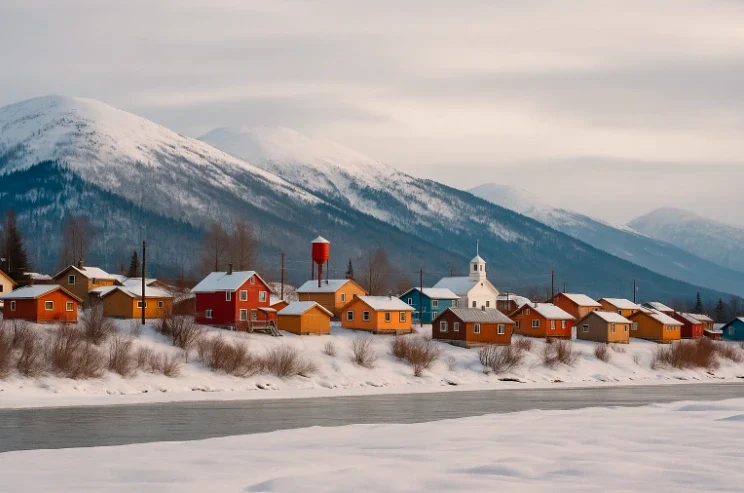
If you travel to rural Alaska, you’re stepping into communities that are not connected to the road system at all. In fact, over 80% of Alaska’s communities can only be reached by small bush planes, boats, or snowmachines. There are no highways linking them to big cities. The moment you arrive, you feel life moves differently.
A Lifestyle Rooted in Culture and the Land
Most Alaska villages are Alaska Native communities, where traditions have been passed down for thousands of years. You’ll see families fishing for salmon, gathering berries, cutting fish on the banks of the river, or preparing moose meat after a successful hunt. This isn’t occasional recreation, it’s the foundation of life.
Subsistence isn’t just about saving money.
Its identity. It’s a community. It’s a survival in a place where storing food is unbelievably expensive.
Also Read: Most Popular Alaskan Food: Traditional Dishes That Define the Last Frontier
Real 2024–2025 Cost of Living in Villages
Because everything is flown in, you’ll see prices that shock most people:
- Milk: $10–$18 per gallon
- Eggs: $6–$12 per dozen
- Bread: $6–$10
- Gasoline: $6–$10 per gallon
- Electricity: $0.40–$0.60 per kWh
- Heating oil: $6–$10 per gallon
The Alaska Department of Labor and the Institute of Social and Economic Research (ISER) confirm these numbers across rural hubs like Bethel, Nome, and Kotzebue.
This is why people depend on fish camps, moose hunts, community sharing, and seasonal gathering. When a moose is harvested, the entire village feels it.
Healthcare Reality in Villages
Most Alaskan villages don’t have doctors. Instead, they rely on CHA/Ps (Community Health Aides/Practitioners), trained frontline health workers. For anything serious, you must be medevaced to a regional hospital, and flights can cost $80,000–$150,000 before insurance.
Education and the Internet
Schools are small, sometimes with fewer than 20–40 students. Teachers often handle multiple grade levels.
Until recently, internet speeds in remote Alaska villages were barely usable, and internet problems were a normal part of daily life. But Starlink has changed that. By 2024–2025, 60–70% of rural households began using Starlink to access speeds of 50–150 Mbps, despite ongoing storm-related outages. For many families, this improvement has been life-changing, especially for online learning and telehealth.
The Biggest Strength: Community
If you spend time in a village, you’ll feel something cities can’t offer: closeness. People know one another. Children grow up surrounded by aunties, uncles, and elders who teach them language, skills, and history. The culture is strong enough to outweigh every hardship.
Also Read: How Remote Villages in Alaska Rely on Transportation Systems to Connect Isolated Communities?
Life in Alaska’s Major Cities: Modern, Fast, and Full of Opportunity
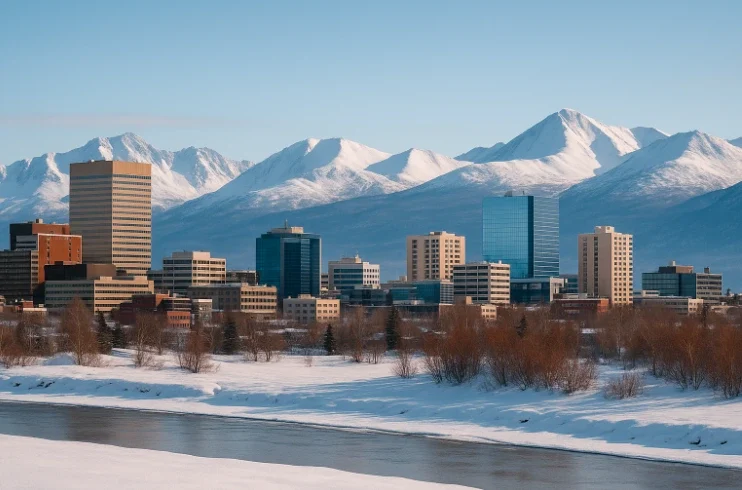
Now let’s look at the cities Anchorage, Fairbanks, and Juneau, which feel completely different the moment you arrive. Here, you have roads, hospitals, grocery chains, top schools, universities, gyms, malls, cafés, restaurants, and public transportation. It’s Alaska, but with every modern service layered on top.
Anchorage: The State’s Urban Heart
Home to nearly 300,000 people, Anchorage holds about 40% of the state’s population. You have neighborhoods, highways, Costco, Target, specialty doctors, theaters, and restaurants from almost every culture.
It’s also one of the most diverse cities in the United States, according to the Census.
Also Read: What Happens During Heyi Days in Anchorage 2025? Alaska’s Winter Festival Explained
Fairbanks
It’s colder sometimes –40°F in winter, but it’s home to the University of Alaska Fairbanks, military bases, and strong job sectors.
Juneau
You can’t reach it by road, but the city feels modern and government-driven with museums, shops, and mild coastal weather.
Cost of Living in Cities (2024–2025)
Compared to villages, cities feel affordable:
- Milk: $4–$5
- Gas: $3–$5
- Electricity: $0.22–$0.30 per kWh
- Anchorage rent: $1,550–$1,800
- Fairbanks rent: $1,200–$1,500
You can shop in bulk, compare prices, or commute to work, things rural residents cannot do.
Healthcare and Schools
Cities have:
- Full hospitals
- Specialists
- Advanced equipment
- Large schools
- Universities
- Sports programs
- Multiple extracurriculars
For families needing medical stability, this difference is huge.
So What’s the Real Difference? Let Me Explain It Simply
When I compare both lifestyles side by side, here’s what you really need to know:
In Villages
- You live with culture and nature every day
- You depend on the community
- You pay high prices for basics
- You travel by plane or snowmachine
- You learn to live around the weather
- You feel peace, tradition, and closeness
- You find traditional and cultural crafts
In Cities
- You live with convenience and services
- You travel easily
- You have more school and job options
- You enjoy affordable groceries
- You interact with a diverse population
- Your life runs on schedules, not seasons
Both lifestyles are meaningful. Both define Alaska.
They’re just built for different needs.
Why People Choose One Over the Other
People stay in villages because:
- Their ancestors lived there
- Family is everything
- Subsistence is essential
- The land gives them identity
- Peace matters more than convenience
People move to cities because:
- They want jobs
- Their kids need stronger school opportunities
- They need healthcare
- They prefer affordable living
- They want independence and privacy
There is no right or wrong choice, only what fits you.
Two Worlds That Make Alaska What It Is
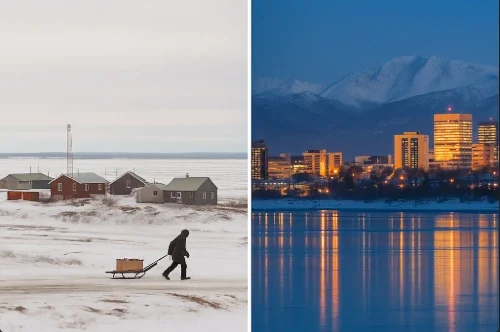
When you finally see Alaska up close, the frozen rivers of rural villages and the busy lights of Anchorage, you understand that this state is built on contrast. One world is ancient, cultural, and community-centered. The other is modern, diverse, and fast-moving. They depend on each other, even if they look nothing alike.
And if you ever travel between them, you’ll feel something powerful:
You’re witnessing two sides of Alaska that continue to shape the people who call this place home.
FAQs
1. How do people get fresh food in remote Alaska villages?
Most residents rely on small local stores for essentials, while fresh produce is flown in on scheduled cargo flights. Many families also depend on subsistence foods like salmon, moose, and berries.
2. Why aren’t Alaska villages connected to the road system?
Extreme geography, permafrost, mountains, and wetland terrain make road construction extremely expensive, often costing $5–$30 million per mile, which is why most villages remain accessible only by plane or boat.
3. How expensive is air travel between Alaska villages and major cities?
A one-way bush plane ticket to a regional hub typically costs $250–$500, with prices varying based on fuel costs, weather, and airline availability.
4. Is it easy for an outsider to move to a remote Alaska village?
Not usually. Housing is limited, rentals are rare, and many communities prioritize employees like teachers or health workers. Most newcomers move through job contracts.
5. Do Alaska villages have emergency services like police or firefighters?
Some villages have VPSOs (Village Public Safety Officers), but many rely on state troopers who must fly in from distant hubs. Fire response often depends on volunteer teams.
6. Why is the internet still unreliable in remote Alaska communities?
Even with Starlink, connectivity can drop during storms, power outages, or due to limited local infrastructure. Rural internet is improving, but it is still inconsistent compared to cities.
7. Do Alaska city residents participate in subsistence activities too?
Yes. Many people in Anchorage, Fairbanks, and Juneau fish, hunt, and gather berries, but they rely more on grocery stores and modern food systems than rural households.