


Tensions in the Middle East are rising again as a fragile ceasefire between the United States and Iran shows signs of breaking down, while violence in Lebanon continues and high-stakes negotiations approach.
Have questions about this story?Ask Tundra for more details, context, or updates.
Details
A temporary ceasefire between the U.S. and Iran remains under strain as both sides prepare for critical peace talks in Islamabad.
U.S. officials, led by Vice President JD Vance, are set to meet Iranian representatives, but major disagreements persist. Iran has demanded that any agreement include a halt to Israeli attacks in Lebanon and additional security guarantees.
At the same time, military activity has continued:
- Israeli airstrikes intensified in southern Lebanon
- Hezbollah launched retaliatory rocket attacks toward Israel
- Iran maintained restrictions on traffic through the Strait of Hormuz, a key global oil route
Significance
The situation highlights the fragility of the current ceasefire and the risk of a broader regional conflict.
The crisis is already having global consequences:
- Oil shipments through the Strait of Hormuz remain disrupted, affecting global energy supply
- Inflation and economic pressure are rising in multiple countries
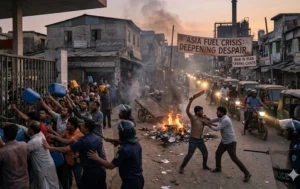
- Humanitarian conditions are worsening in conflict zones like Lebanon
Experts warn that failure of upcoming talks could lead to a renewed wave of military escalation.
Impact of the Conflict
The conflict is impacting:
- Civilians in Lebanon facing ongoing airstrikes and displacement
- Populations in Iran and Israel under continued threat of attacks
- Global markets affected by energy disruptions
Lebanon has been particularly hard hit, with thousands killed and over a million people displaced during the ongoing fighting.
What Happens Next
All attention is now focused on upcoming negotiations in Pakistan, which are seen as a critical opportunity to stabilize the situation.
However:
- Iran has indicated it may withdraw if conditions are not met
- The U.S. has warned of renewed military action if talks fail
- Israel continues operations in Lebanon despite ceasefire discussions
Separately, Lebanon and Israel are expected to hold U.S.-mediated talks, though expectations for a breakthrough remain low.
Analysis
This moment represents a critical turning point.
While diplomacy is still active, continued fighting—especially in Lebanon—suggests that agreements on paper are not translating into stability on the ground.
The ceasefire is holding politically, but not practically—and that gap is what makes the situation increasingly dangerous.
Related Posts
Iran Rejects Ceasefire as U.S. Deadline Nears and Fighting Intensifies Across Middle East
Iran War Sparks Fuel Shortages and Violence Across Asia as Crisis Deepens
Global Oil at Risk: Trump Urges Warships to Secure Strait of Hormuz as Iran Tightens Control
US-Israel War With Iran Intensifies as Trump Signals Conflict May End Soon
Iran War Intensifies: New Attacks Hit Israel and U.S. Bases as Conflict Enters Sixth Day