




Iran has carried out a large-scale series of missile and drone strikes on major Gulf Arab states, including the United Arab Emirates and Qatar, in retaliation for a coordinated U.S.-Israeli military offensive against Iranian territory, regional officials and defense sources said Sunday.
The attacks struck critical civilian and commercial infrastructure in Dubai and Abu Dhabi, where Dubai International Airport, the landmark Burj Al Arab hotel, and the Jebel Ali port sustained damage, according to statements from Emirati authorities. At least three people have been killed and 58 others injured in the UAE since the strikes began, the country’s defense ministry reported, citing debris from intercepted missiles and drones that fell in populated areas.
In Dubai, smoke rose over Palm Jumeirah and parts of the Palm Island archipelago after intercepted projectiles caused small fires near luxury hotels and residential buildings. Two residents were also wounded when shrapnel struck houses in the city, officials said.
Regional aviation has been severely disrupted, with airlines suspending flights at airports in the UAE and neighboring states as a precaution amid continued hostilities. The surge in violence has shattered the Gulf’s reputation for stability and triggered widespread concern among residents and expatriates living in the region.
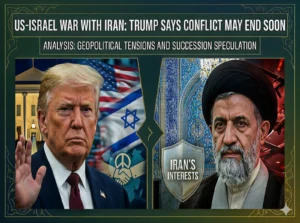
The Iranian strikes are widely seen as retaliation for a U.S.-Israeli offensive launched on Feb. 28 against targets in Iran, including high-level military and government infrastructure. That operation, reportedly named Operation Lion’s Roar, marked a significant escalation after diplomatic efforts over Iran’s nuclear program faltered.
Doha in Qatar and other Gulf capitals also reported interceptions of incoming projectiles, prompting authorities to issue public safety alerts. In Oman, two drones struck the commercial port of Duqm, injuring one worker, while flight cancellations and heightened security measures continued across the region.
Gulf Cooperation Council member states, including the UAE and Saudi Arabia, condemned the Iranian strikes as violations of national sovereignty and international law, warning of “grave consequences” if the attacks continue. Saudi officials reaffirmed their commitment to support regional security alongside allied states affected by the escalation.
Also Read: UN Chief Condemns U.S.-Israeli Attacks on Iran at Emergency Security Council Meeting
The violence underscores the widening conflict in the Middle East, with implications for global energy markets, international diplomacy, and the safety of millions living and working in the Gulf. As the situation evolves, governments have urged civilians to remain vigilant and adhere to official advisories.