





Disclaimer: This article is provided for informational and educational purposes only. It is not intended as medical, nutritional, or professional health advice. Individual hydration and dietary needs vary based on personal health conditions, environment, and activity level. Readers should consult qualified healthcare or nutrition professionals before making any significant changes to their diet or hydration practices.
Life in harsh climates places unique demands on the human body. Extreme cold, dry air, fluctuating daylight, and intense physical conditions all influence how we regulate temperature, maintain energy, and stay mentally sharp. In these environments, people often become more conscious of everyday habits, including what and how they drink, which helps explain why questions around beverage choices, such as mushroom tea vs coffee, surface as part of broader conversations about resilience. While no single drink defines health, understanding the science behind hydration and nutrition is essential for functioning well in demanding conditions.
Have questions about this story?Ask Tundra for more details, context, or updates.
How Harsh Climates Affect the Human Body
Cold and extreme environments challenge the body’s balance systems. In cold climates, the sensation of thirst is often suppressed, even as fluid loss increases due to respiration in dry air. Heavy clothing and physical exertion can also lead to unnoticed sweating and dehydration.
At the same time, the body expends more energy to maintain core temperature. Guidance from the World Health Organization notes that cold exposure increases metabolic demands, meaning nutritional needs can rise even when appetite does not. Without sufficient fluids and nutrients, fatigue, reduced concentration, and impaired performance become more likely.
Hydration Beyond Thirst
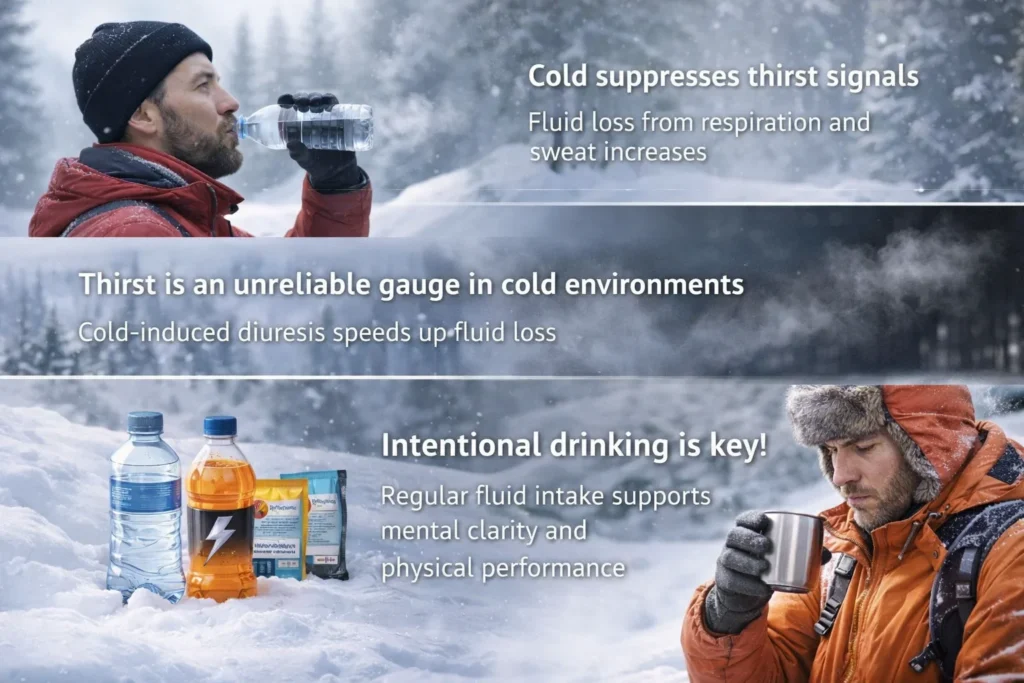
A common misconception is that thirst reliably reflects hydration needs. In cold environments, this is rarely the case. Cold-induced diuresis causes the body to lose fluids more rapidly, often without triggering thirst.
Public health research shows that even mild dehydration can impair mood, reaction time, and cognitive function. The Centers for Disease Control and Prevention highlights hydration as a key factor in maintaining mental clarity and physical performance, particularly under environmental stress. Regular, intentional fluid intake is therefore more effective than relying on thirst alone.
Electrolytes and Energy Balance
Hydration involves more than water alone. Electrolytes such as sodium, potassium, and magnesium support nerve signaling, muscle contraction, and fluid balance. In harsh climates, layered clothing and physical activity can cause unexpected electrolyte loss through sweat.
When imbalances develop, symptoms such as headaches, muscle weakness, and mental fatigue may appear. Research from the National Institutes of Health emphasizes that balanced meals usually supply adequate electrolytes, though awareness becomes especially important during prolonged exposure to extreme conditions. The normal daily water turnover via these routes is approximately 4% of total body weight in adults and significantly higher, around 15% of total body weight, in infants, highlighting how quickly fluid balance can be disrupted under environmental stress.
Nutrition as Thermal and Cognitive Support
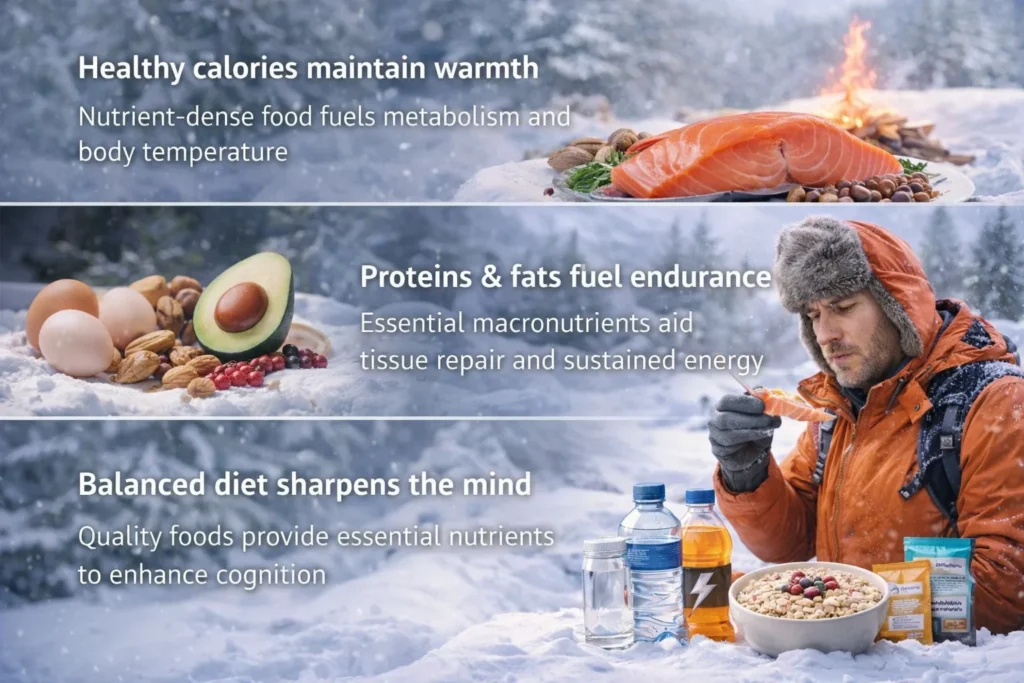
Food acts as both fuel and insulation. Cold environments often increase calorie requirements as the body works harder to stay warm, but energy quality matters. Diets dominated by refined carbohydrates may provide short-term warmth but usually lead to energy crashes.
Balanced meals containing complex carbohydrates, protein, and healthy fats support steadier energy release. Micronutrients such as iron, B vitamins, and vitamin D contribute to oxygen transport, neurological function, and immune resilience, all of which are stressed in harsh climates. NIH research links nutrient deficiencies to impaired thermoregulation and fatigue, reinforcing the importance of dietary quality.
Also Read: Nutrition, Activity & Culture: Modern Wellness in Traditional Places
Digestion and Warmth
Environmental stress can also affect digestion. Cold exposure may slow gastric emptying, while dehydration can reduce digestive efficiency. Warm, easily digestible meals and beverages can support digestion by improving blood flow to the gastrointestinal tract.
Also Read: How A Parasite Cleanse Can Improve Your Gut Health
This physiological effect helps explain why warm drinks are standard in cold regions. Beyond comfort, they encourage hydration when low temperatures mute thirst cues.
Mental Performance Under Environmental Stress
Cognitive performance is susceptible to hydration. Harvard Health Publishing reports that dehydration as low as one to two percent of body weight can impair attention, memory, and executive function.
In harsh climates, reduced focus is not only uncomfortable but potentially unsafe. Maintaining hydration and stable blood glucose levels supports clearer thinking and safer decision-making during demanding activities.
Adapting Nutrition to Extreme Conditions
Consistency is one of the most effective strategies for harsh climates. Regular meals stabilize energy levels, while structured hydration habits prevent cumulative fluid loss. Rather than relying on appetite or thirst, routines help the body anticipate and meet energy demands.
Flexibility remains essential. Environmental conditions change quickly, and nutritional needs shift accordingly. Public health guidance from organizations such as the WHO emphasizes adaptability as a core component of long-term resilience.
A Systems-Based Approach to Resilience
Hydration and nutrition are deeply interconnected with thermoregulation, cognition, and immune function. In harsh climates, neglecting one element often undermines the others. A systems-based approach recognizes that fluids, food, and routine work together to support adaptation.
The evidence is clear: resilience in extreme environments depends less on individual products and more on consistency, balance, and environmental awareness. Thoughtful hydration and nutrition strategies help maintain energy, focus, and well-being even under demanding conditions.