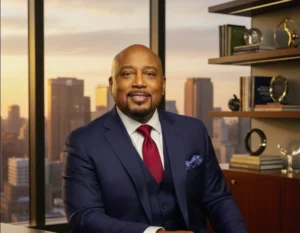
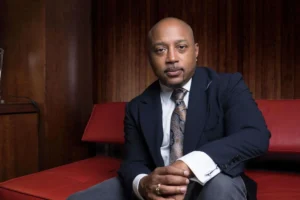



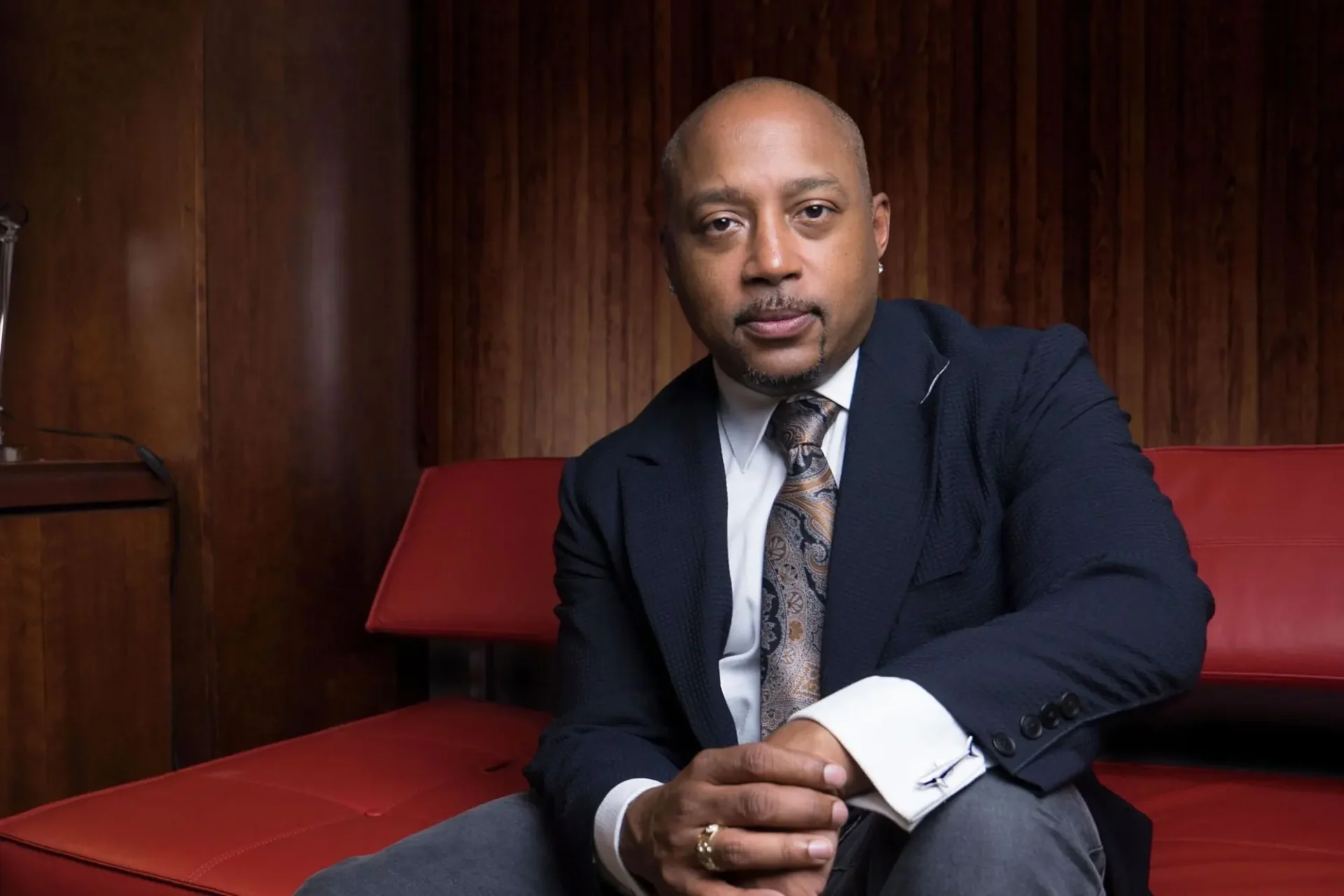
The story of modern business success is often told through high-tech startups in Silicon Valley, but the journey of Daymond John is a powerful reminder that the most durable empires are often forged on the sidewalk. Long before he was a household name, he was just a kid in Queens with a sewing machine and a vision that the fashion industry was ignoring an entire culture. Today, he is widely recognized as a prominent American entrepreneur, investor, and star of ABC’s Shark Tank, but his path to that famous leather chair required years of doubling down on himself when the rest of the world said no.
Have questions about this story?
Ask Tundra for more details, context, or updates.
1. Identifying the Gap in Hollis
The journey of Shark Tank star and Fubu Founder Daymond John began in the early 1990s in the Hollis neighborhood of Queens. He noticed a specific trend: tie-top wool ski hats were becoming a massive hit, but they were being sold for twenty dollars, which he felt was a total rip-off. Taking matters into his own hands, he bought forty dollars worth of fabric and sewed about 90 hats with a neighbor. They sold them on a street corner for ten dollars each, clearing eight hundred dollars in a single afternoon.
2. The Red Lobster Grind
This early win proved there was a massive demand for authentic streetwear, but the company needed more than just a single good day. To fund the growth of FUBU, which stands for “For Us, By Us,” he worked double shifts as a waiter at Red Lobster for nearly a decade. He would spend his days sewing and marketing his clothing line and his nights serving biscuits. To keep the dream alive, his mother even took out a one hundred thousand dollar second mortgage on her home, essentially betting the family’s entire future on his persistence.
3. Mastering the Guerilla Hijack
In the mid-1990s, FUBU lacked the massive advertising budgets of established competitors. Instead, the team relied on what is now famously called “The Power of Broke.” They convinced hip-hop artists to wear their gear in music videos, then retrieved the clothes immediately after the shoot so the same pieces could be used in other videos. This created a clever illusion that the brand was a massive, nationwide operation when it was actually still being run out of a living room.
The ultimate breakthrough happened in 1993. Neighborhood friend and rap legend LL Cool J wore a FUBU hat during a thirty million dollar national television commercial for The Gap. He even managed to slip the line “for us, by us” into his rapping. This “guerilla hijacking” of a corporate giant’s ad campaign provided instant national credibility and transformed the basement business into a retail powerhouse that eventually cleared over six billion dollars in global sales.
4. Transitioning to The People’s Shark
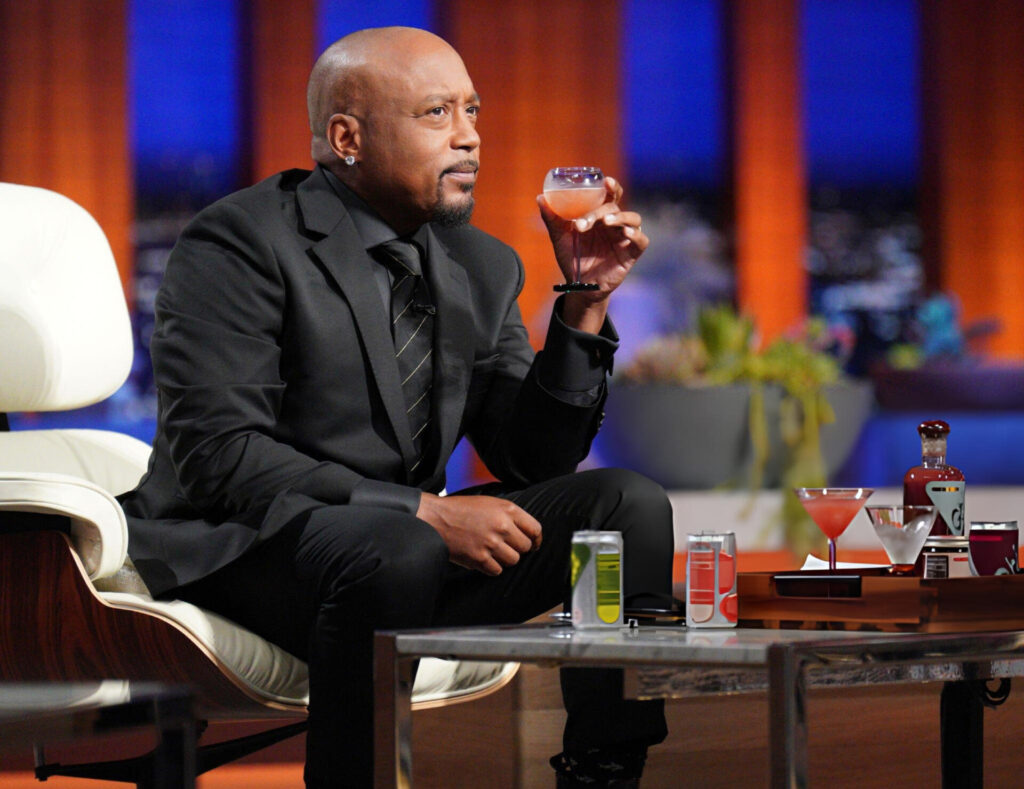
In 2009, his career took a major turn when he joined the original cast as an investor on the ABC reality television series Shark Tank. He quickly earned the nickname “The People’s Shark” because he looked for the heart and hustle in a founder rather than just the spreadsheets. Over sixteen seasons, he has evaluated thousands of pitches and invested millions of dollars into dozens of businesses across various sectors. As a regular TV Personality on ABC Shark Tank, he has used his platform to mentor a new generation of founders who started with nothing but a good idea.
His most legendary move remains the investment in Bombas. While other sharks were skeptical of a sock company, he saw the vision in their “one-for-one” donation model. Today, Bombas has surpassed one billion dollars in lifetime sales and is the most successful company in the history of the show.
5. Evolving into a Modern Influencer CEO
Today, his professional life is divided between his clothing legacy and his role as the influencer CEO of FUBU and The Shark Group. Through his brand management firm, he consults for Fortune 500 companies on how to communicate authentically with modern consumers. He often emphasizes that in the 2026 market, “being truer is more important than being louder,” a philosophy that stems from those early days in Hollis.
For many fans of the show, a common question is: Is Daymond John still on Shark Tank? The answer remains a definite yes. He is currently celebrating his seventeenth season, though he has openly hinted that he plans to eventually “make room for others” while remaining committed to his current partners. In 2026, he is also heavily involved in the Jobber Grants program, which provides one million dollars in funding to blue-collar entrepreneurs.
6. Personal Profile and Confirmed Stats
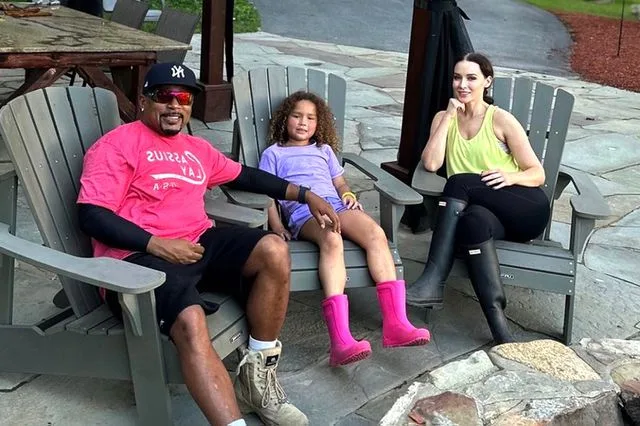
Outside of the boardroom, the public often searches for details about the man himself. Regarding physical presence, Daymond John’s height is typically estimated to be between 5 feet 6 inches and 5 feet 9 inches. His wife is Heather Taras, whom he wed in 2018. The couple has a young daughter named Minka Jagger, and he is also a father to two daughters from a previous marriage, Destiny and Yasmeen.
When it comes to his financial success, Daymond John’s net worth is estimated to be approximately three hundred and fifty million dollars in 2026. Despite this massive wealth, he is known for being remarkably candid about his personal struggles, including a 2017 diagnosis of stage II thyroid cancer and his ongoing advocacy for dyslexia awareness. He often states that he defines his richness through his health, his faith, and his family rather than just his bank balance.
7. The Enduring Legacy of an American Hustle
The career of this iconic entrepreneur is a definitive study in resilience and strategic creativity. From sewing hats in a living room to providing keynote speeches in Las Vegas on how insurance professionals can navigate the AI era, his journey illustrates that authentic community connection is the ultimate competitive advantage. By maintaining his “broke” mindset even after achieving global success, he has ensured that his influence remains relevant in an ever-changing digital landscape. It is not about how much money a person has to start with; it is about how much they are willing to work to keep the vision alive.