





Disclaimer: This article is for informational and educational purposes only and does not constitute medical or nutritional advice. Individual dietary needs may vary based on health conditions, activity levels, and environmental factors. Always consult a qualified healthcare or nutrition professional before making significant changes to your diet, especially in extreme or demanding conditions.
Living in cold or extreme climates places unique demands on the body. Whether it’s residents navigating long winters, outdoor workers spending hours in subzero temperatures, or adventurers exploring remote terrain, nutrition plays a critical role in maintaining energy, focus, and overall well-being. In these environments, food is more than fuel; it is a practical tool for resilience. Alongside traditional approaches to cold-weather eating, modern dietary ideas have entered the conversation, including high-protein snack options such as Carnivore Snax, which reflect a broader interest in simple, energy-dense foods suited to demanding conditions.
Cold climates amplify the consequences of poor nutrition. The body burns more calories to maintain core temperature, and mental clarity can decline more quickly when energy levels drop. As a result, people living or working in these regions often gravitate toward diets that prioritise satiety, warmth, and sustained energy rather than quick bursts followed by fatigue.
Have questions about this story?
Ask Tundra for more details, context, or updates.
Why Cold Weather Changes Nutritional Needs
In colder environments, the body expends additional energy through thermogenesis, the process of generating heat to maintain internal temperature. This means calorie needs can increase, particularly for those who spend significant time outdoors. Meals and snacks that fail to provide lasting energy may leave individuals feeling drained sooner than expected.
Research examining different macronutrient distributions has shown that diets with higher protein intake can modestly reduce reliance on carbohydrates while keeping fat intake stable. In one comparative dietary analysis, fat intake was held constant at 25% in both groups. In contrast, carbohydrate intake was higher in the normal-protein (NP) diet (60%) and lower in the moderate-high-protein (MHP) diet (50%). This shift reflects how increasing protein often naturally reduces carbohydrate intake, a pattern commonly seen in cold or physically demanding environments where sustained energy and satiety are priorities.
Traditional Cold-Climate Eating Patterns
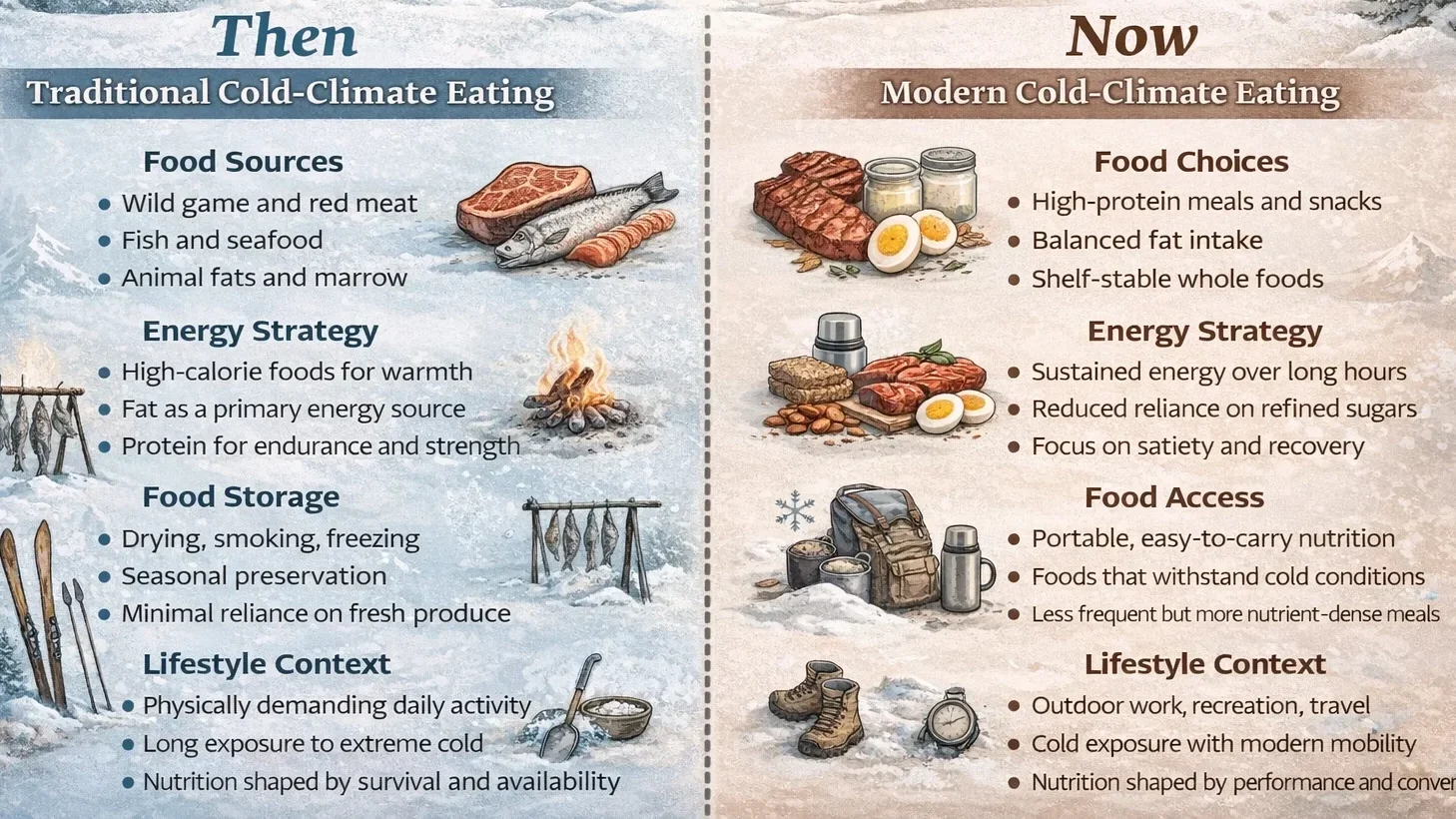
Historically, populations living in colder regions have relied on foods rich in calories and nutrients. Diets rich in meat, fish, and animal fats were common, not by trend but by necessity. These foods were available, storable, and effective at supporting physical endurance in harsh conditions.
While modern lifestyles differ from those of past generations, the underlying principles remain relevant. Foods that keep people full, warm, and energised still make sense when temperatures drop, and activity levels remain high. Contemporary eating habits often echo these traditional patterns, even when framed through modern dietary language.
The Role of Protein in Cold Environments
Protein intake becomes particularly important for people exposed to cold weather for extended periods. Physical labour, outdoor recreation, and even routine activities like shovelling snow or walking long distances can increase muscle strain. Adequate protein supports recovery and helps maintain strength over time.
Nutrition experts consistently highlight that protein contributes to satiety, helping individuals feel fuller for longer. This can reduce the need for constant snacking, which is not always practical in cold or remote settings. For many, protein-focused snacks and meals offer a sense of energy stability that carbohydrate-heavy options may not provide.
Portable Nutrition for Remote and Outdoor Lifestyles
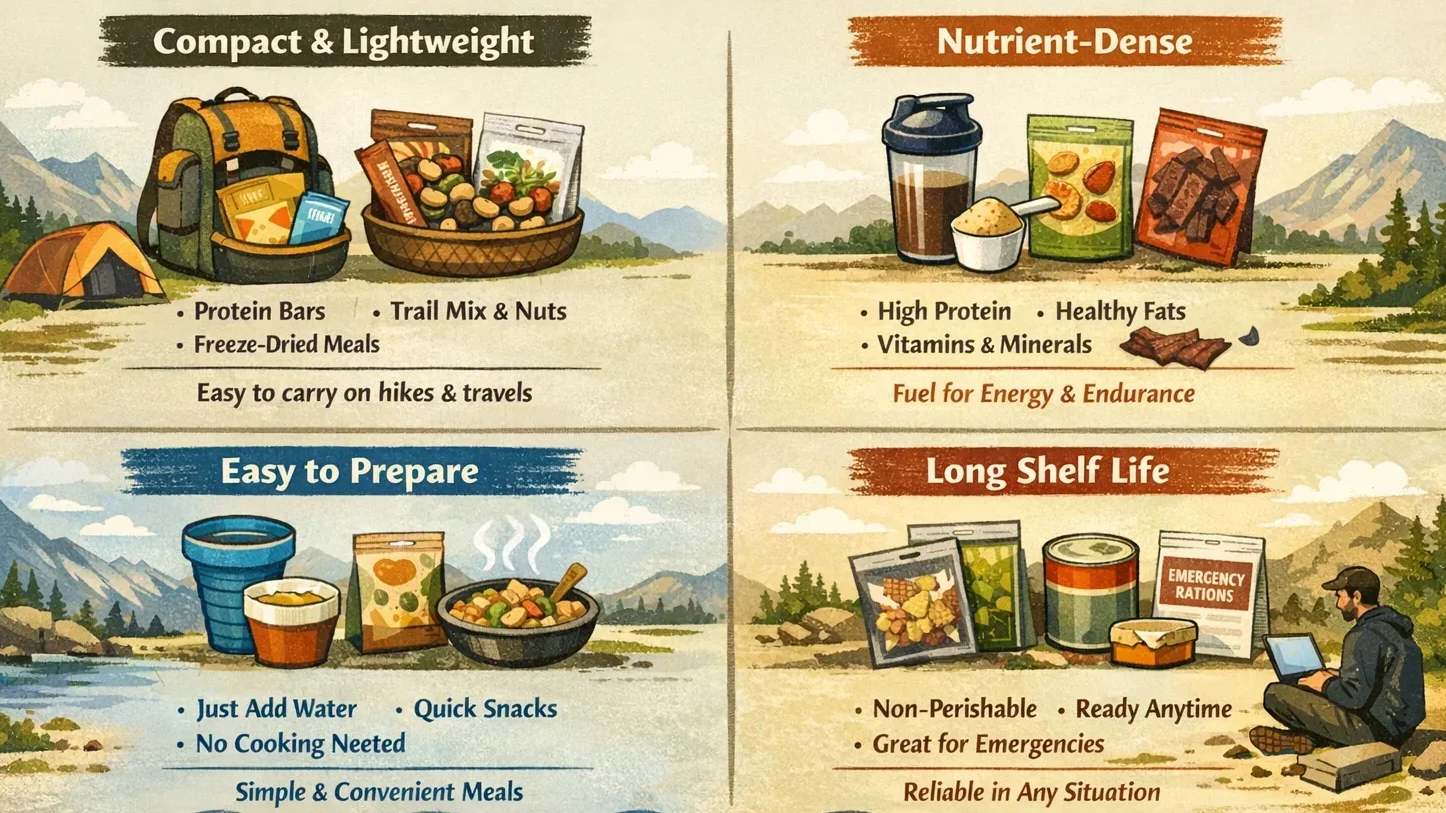
One of the defining challenges of extreme climates is limited access to fresh food during long days outdoors. Hunters, hikers, construction workers, and researchers often need portable options that can withstand cold temperatures without spoilage.
This reality has driven interest in shelf-stable, nutrient-dense foods that are easy to carry and quick to consume. High-protein snacks, dried meats, and simple whole-food options are frequently chosen because they align with these practical needs. Convenience is not about indulgence in these settings; it is about reliability.
Mental Focus and Energy Stability
Cold weather affects more than physical endurance. Mental focus can decline when blood sugar fluctuates or when meals fail to provide sustained energy. In environments where alertness matters for safety, such as icy terrain or heavy machinery use, this becomes a serious concern.
Balanced meals that avoid excessive sugar and refined carbohydrates can help maintain steadier energy and concentration. Nutrition research and public health guidance repeatedly note that consistent, balanced intake supports cognitive performance, particularly during prolonged periods of physical or mental effort.
Adapting Modern Diet Trends to Cold Climates
While terms like “high-protein” or “low-carb” diets are often discussed in urban wellness circles, their practical application in cold climates is usually stripped of ideology. People adopt what works. If certain foods help them stay warm, energised, and focused, those foods become part of daily life regardless of labels.
In this way, modern diet trends are often adapted rather than followed strictly. Individuals blend traditional cold-weather foods with contemporary options that meet their nutritional goals and logistical realities.
A Balanced Approach to Cold-Weather Eating
Healthy eating in extreme climates is ultimately about balance and awareness. Calorie needs may rise, but food quality still matters. Protein supports strength and recovery, fats provide efficient energy, and hydration remains essential even when thirst cues are less evident in cold weather.
Also Read: The Science of Hydration and Nutrition for Harsh Climates
According to the WHO, consuming a healthy diet throughout the life-course helps to prevent malnutrition in all its forms as well as a range of noncommunicable diseases (NCDs) and conditions. When applied thoughtfully, these principles translate well to cold-climate living.
Nutrition as a Tool for Resilience
Food choices in extreme climates are rarely about trends alone. They are shaped by environment, necessity, and lived experience. Whether through traditional meals or modern high-protein snacks, people in cold regions consistently prioritise nutrition that supports endurance, warmth, and mental clarity.
As interest in functional eating continues to grow, cold-weather communities offer a practical example of how nutrition adapts to real-world demands. In these settings, healthy eating is not about perfection, but about choosing foods that help people live, work, and explore comfortably in some of the planet’s most challenging conditions.
Also Read: Nutrition, Activity & Culture: Modern Wellness in Traditional Places