



Disclaimer: This article is for informational purposes only and does not constitute financial advice. Debt consolidation may not be suitable for everyone. Consult a qualified financial professional before making any decisions regarding loans or debt management.
Many borrowers find themselves managing several high-interest debts at once. Don’t worry: It happens to the best of us. What matters is how you deal with the situation. Many people find themselves juggling multiple credit cards, payday loans, and store financing, feeling overwhelmed by rising interest rates and monthly minimums. Debt consolidation isn’t a magic solution, but it can provide a structured way to manage payments and reduce stress.
Debt consolidation can help take some burden off your shoulders. It can simplify monthly loan payments and help you utilise your income more effectively.
That said, the process of acquiring a debt consolidation loan is a whole other story. We’ll help you. Follow this guide to get approved for a debt consolidation loan:
Have questions about this story?
Ask Tundra for more details, context, or updates.
Check Your Credit Score
Before you reach out to a loan provider, determine where you stand in the eyes of creditors. Start by reviewing your credit report to make sure there aren’t any mistakes that can harm your score.
Lenders use this score as a primary factor in determining your creditworthiness. Simply put, a higher credit score increases your chances of approval and may even help you secure a more favourable interest rate. Borrowers with credit scores above 740 typically qualify for the most competitive interest rates.
If you’ve got some months, try to increase your credit score. Here are some tips you can follow:
- Report and fix errors in your credit report.
- Make monthly loan payments on time.
- Avoid taking on new credit card loans.
Even small steps, like paying off high-interest cards first or setting up automatic payments, can improve your score in just a few months. Monitoring your score regularly helps you spot issues early and shows lenders that you’re actively managing your finances.
Know Your Debt and Income

In addition to your credit score, lenders assess your debt-to-income ratio when considering your application. It is a personal finance metric that compares your total monthly debt payments to your gross monthly income. A DTI is expressed as a percentage.
A lower debt-to-income ratio (ideally below 36%) shows you have better financial health, increasing your likelihood of approval.
Before you apply, evaluate your existing debts and calculate your ratio. If possible, pay down existing debt to improve your DTI. This will show lenders that you can handle new loan payments. You can also consider temporarily pausing discretionary spending or creating a strict budget to reduce debt faster. Lenders appreciate borrowers who demonstrate a clear plan to manage finances, which increases the likelihood of approval.
Find a Reliable Lender
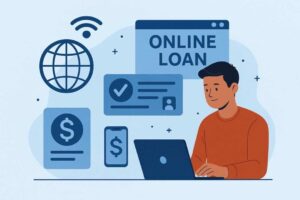
Not all debt consolidation loan lenders are the same, and that’s okay. Your job is to find a reliable and reputable option. Take the time to research lenders, including traditional banks, credit unions, and online lenders.
Compare interest rates, loan terms, and any fees associated with the personal loan for debt consolidation. Moreover, prioritise lenders with a reputation for transparency and flexibility.
Look for online reviews, ask friends or family for recommendations, and check the lender’s licensing and accreditation. Some lenders also offer tools to simulate monthly payments, helping you choose the loan that fits your budget.
Prequalify First
While this isn’t a must, getting prequalified before taking out a personal loan can help. You can use online prequalification tools to check rates without affecting your credit score. This will show lenders that you’re a serious borrower. Prequalification also helps you avoid surprises later. You can see estimated interest rates, loan amounts, and monthly payments before committing, giving you a better sense of what you can realistically afford.
Collect Necessary Documents
Lastly, be prepared to provide thorough documentation of your financial situation. This may include:
- Proof of income
- Employment verification
- List of your outstanding debts
- Credit report
Having these documents ready to go will expedite the application process.
Consider a

In some cases, you can have another person act as a cosigner. They are legally responsible for repaying the debt if the borrower fails to do so. This person can be a family member, friend, or close relative. Keep in mind that cosigning can affect their credit score and financial obligations, so it’s important for both parties to fully understand the risks and responsibilities before agreeing.
Tips to Increase Your Chances of Approval:
- Apply for a loan that matches your financial profile; don’t overextend.
- Keep credit inquiries minimal multiple applications in a short period can hurt your score.
- Show a consistent income history to reassure lenders of your ability to repay.
- Avoid taking on new large debts before applying for consolidation.
Conclusion:
Getting approved for a debt consolidation loan requires preparation and a clear understanding of your financial situation. By improving your credit score, lowering your debt-to-income ratio, and choosing the right lender, you can significantly increase your chances of approval and move closer to simplifying your finances.