



Disclaimer: The information in this article is for general informational purposes only and does not constitute professional advice. Business owners should evaluate their specific needs and consult with qualified professionals before making purchasing decisions.
Have questions about this story?
Ask Tundra for more details, context, or updates.
Built for Beauty Designed for a Changing Climate
Outdoor dining is no longer just a seasonal luxury. As restaurants adapt to climate uncertainty from longer winters to sudden temperature swings outdoor furniture is expected to do more than simply look attractive. It must endure freeze-thaw cycles, moisture exposure, UV reflection from snow, and increasingly unpredictable weather patterns.
In this context, furniture selection becomes both a design decision and a climate resilience strategy.
There’s something timeless about the appearance of a French bistro chair. You’ve likely seen them lining a Parisian-style café, a cozy patio, or a bustling sidewalk restaurant. They symbolize culture, craftsmanship, and hospitality. But beyond their charm, these chairs have quietly proven themselves as high-performance seating particularly in colder climates where durability is non-negotiable.
Nearly 60% of commercial outdoor furniture purchases today are influenced by weather resistance and lifespan performance. In regions where winter stretches for months and temperatures fluctuate dramatically, restaurant owners need seating that doesn’t just survive it performs reliably year after year.
That’s why French bistro chairs remain a preferred choice in cold-weather hospitality environments.
A Design That Draws People In
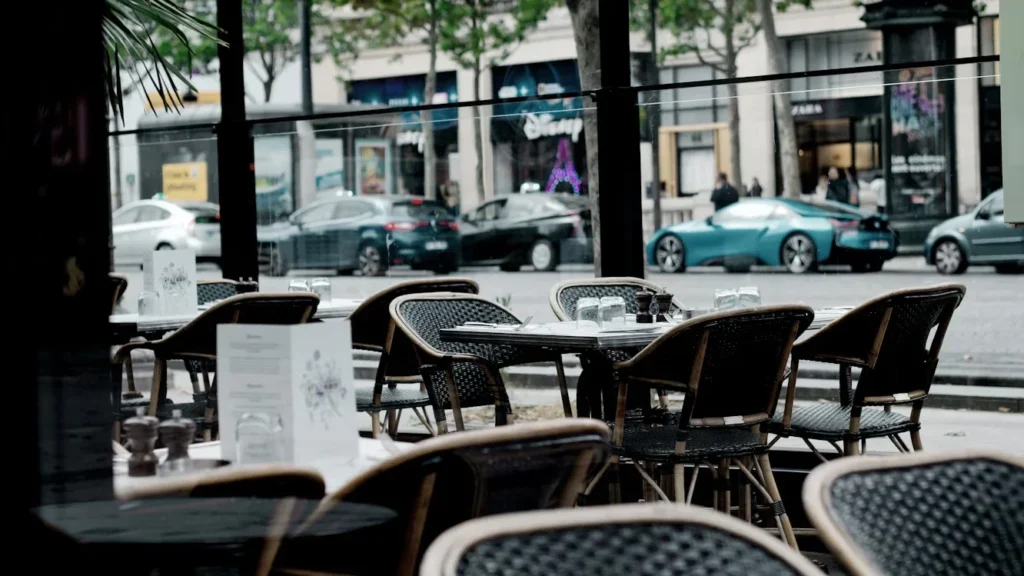
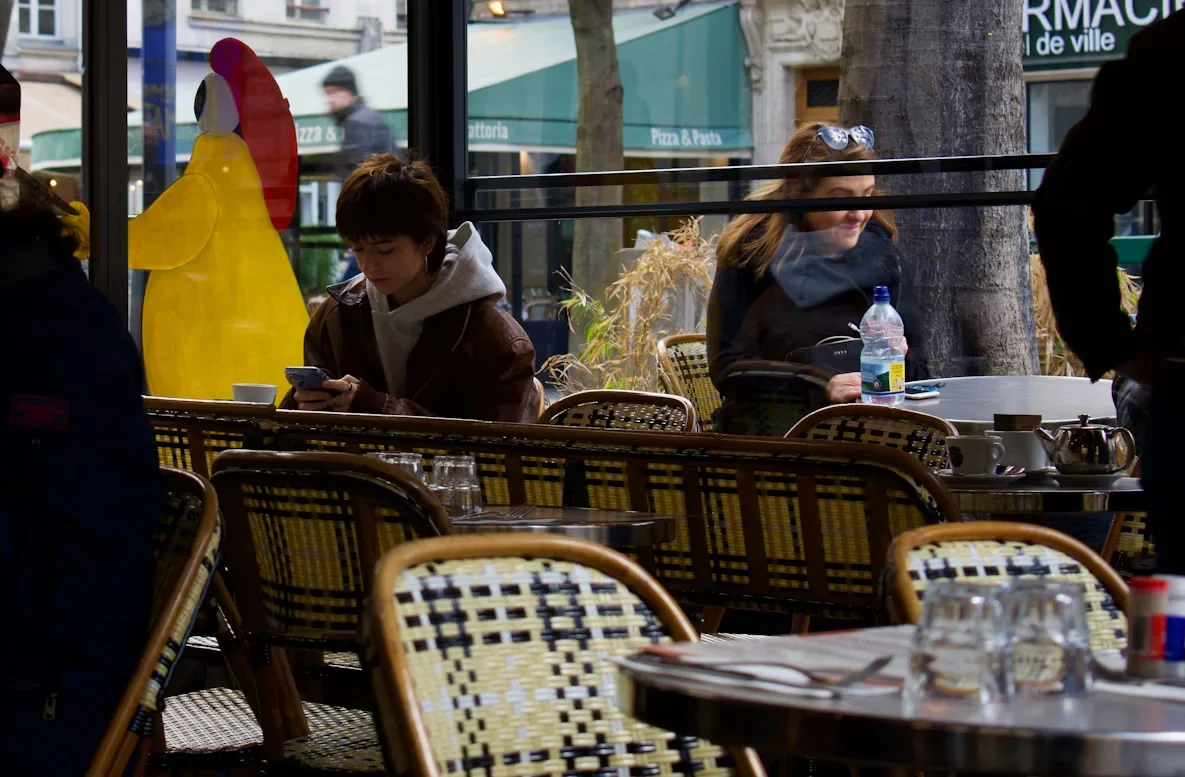
The appeal of French bistro chairs is immediate. Their curved silhouettes and woven seats evoke Parisian elegance while remaining versatile enough for modern patios or traditional cafés.
Available in a wide range of colors and finishes, they complement both contemporary branding and heritage aesthetics. There’s also a nostalgic quality to them. Guests associate these chairs with warmth, conversation, and comfort even in outdoor settings.
That emotional familiarity matters. Restaurants using bistro-style seating often report increased guest dwell time and improved social media engagement. Some industry reports suggest that visually cohesive outdoor setups featuring classic café seating can increase Instagram interaction by up to 40%.
A patio arranged with these chairs doesn’t just provide seating it creates atmosphere.
Made to Withstand Harsh Conditions
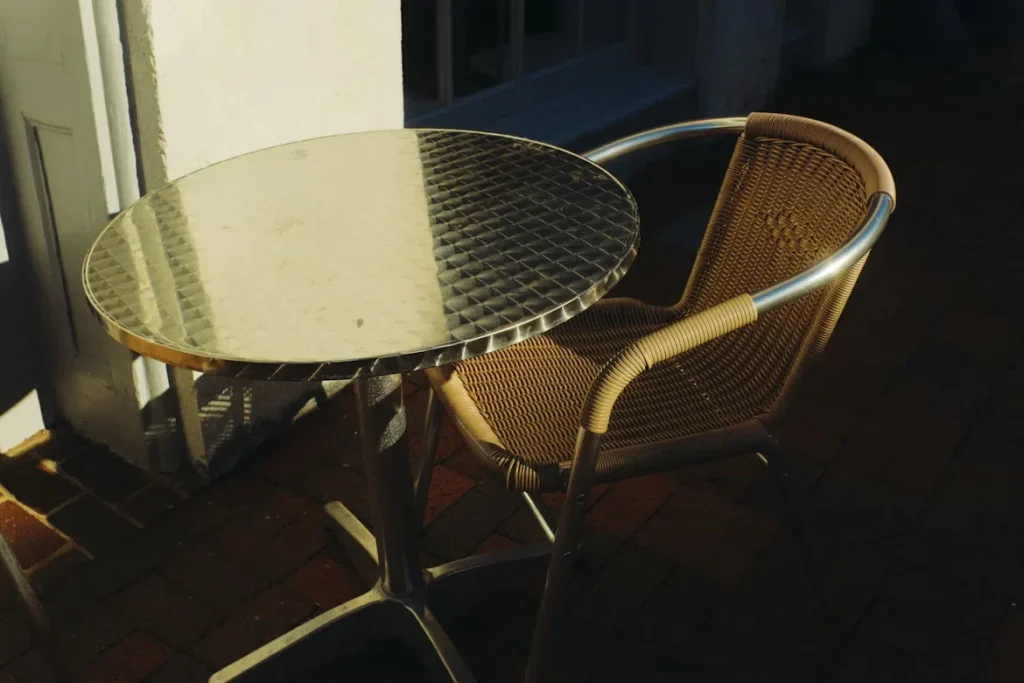
These chairs may look delicate and sensitive; however, they’re constructed to be sturdy. Frames crafted from aluminum or metal resist rust and hold their shape even after exposure to wet and freezing climates. The synthetic rattan woven into the seats and backs won’t sag or crack, even after many winters.
They’re also handled with coatings that block UV rays, preventing the colors from fading under snow glare or wintry weather sunshine. While they’re light enough to transport without difficulty, they’re also strong and won’t tip over in the wind.
Some business versions are even tested to withstand repeated freeze-thaw cycles, showing significantly less than 5% wear after five years. This makes them ideal for patios, rooftops, or courtyards in cold areas. These capabilities enable restaurants to maintain a sophisticated outdoor environment throughout the year, despite unpredictable weather conditions.
Material Comparison: How Bistro Chairs Stack Up
When evaluating outdoor seating for colder climates, material choice plays a defining role. Here’s how French bistro chairs compare to other common options:
1. Wood
- Pros: Natural aesthetic, classic feel
- Cons: Requires sealing, vulnerable to moisture damage, prone to cracking in freeze-thaw cycles
- Maintenance Load: High
2. Wrought Iron or Steel (Untreated)
- Pros: Heavy, stable
- Cons: Can rust, becomes extremely cold to the touch, difficult to move
- Maintenance Load: Moderate to High
3. Plastic or Resin
- Pros: Low cost, lightweight
- Cons: Can become brittle in extreme cold, often fades quickly, less premium appearance
- Maintenance Load: Low
4. Commercial French Bistro Chairs (Aluminum + Synthetic Rattan)
- Pros: Rust-resistant, weather-stable, temperature-neutral seating surface, lightweight but sturdy, minimal upkeep
- Cons: Higher upfront cost than plastic alternatives
- Maintenance Load: Low
Over a 10-year period, restaurants often report lower replacement rates and reduced labor costs with commercial-grade bistro seating compared to wood or untreated metal options.
The higher upfront investment frequently translates into stronger long-term value.
Comfort Doesn’t Disappear with the Temperature
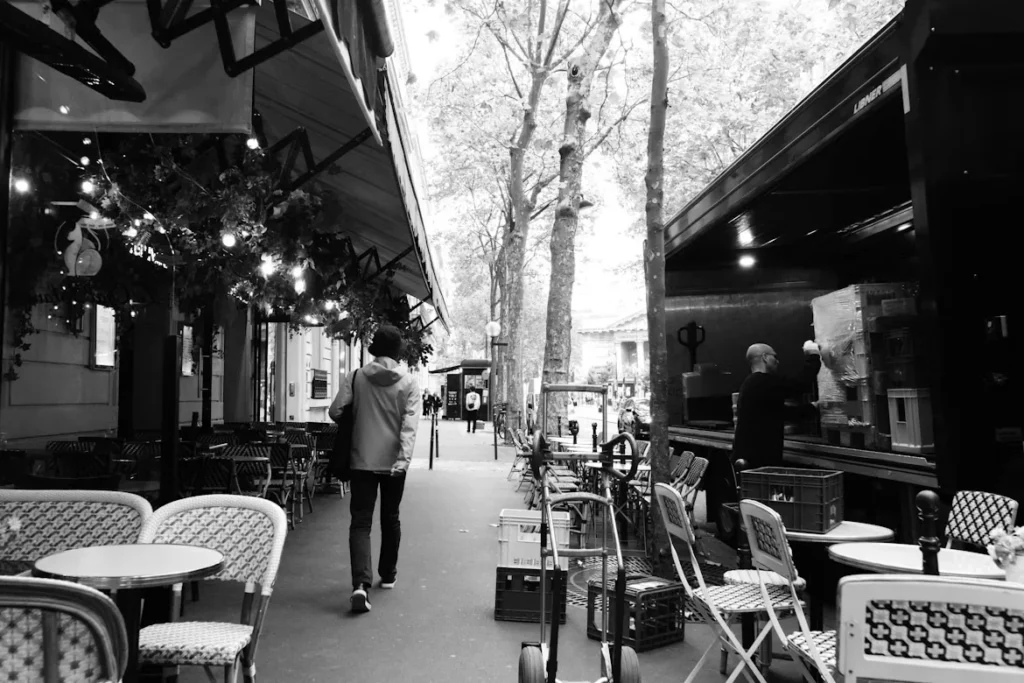
No one wants to sit on a freezing metal seat. That’s why the woven floor of outdoor chairs is one of these clever functions. Unlike wooden or metallic chairs that absorb blood, those chairs remain particularly impervious to touch, even in winter.
Their ergonomic shape provides comfort, encouraging guests to relax and enjoy themselves for a little longer. They also work nicely with cushions, which can be easily featured and removed depending on the season. When it’s time to clean the patio, the chairs stack neatly and can be stored without taking up a lot of space.
Restaurants that prioritize comfort document that guests linger 15 to 20% longer in those chairs compared to traditional metal seating. Rounded backs and a piece of pliability within the layout also increase ordinary visitor satisfaction by more than 25 percent.
There’s additionally a mental effect of consolation. When visitors are seated, they feel a greater sense of welcome, are more comfortable, and are much more likely to order that extra drink or dessert. These subtle benefits add up, contributing to better consumer experiences and higher average price tags in the colder months.
Easy to Care For, Even in the Cold
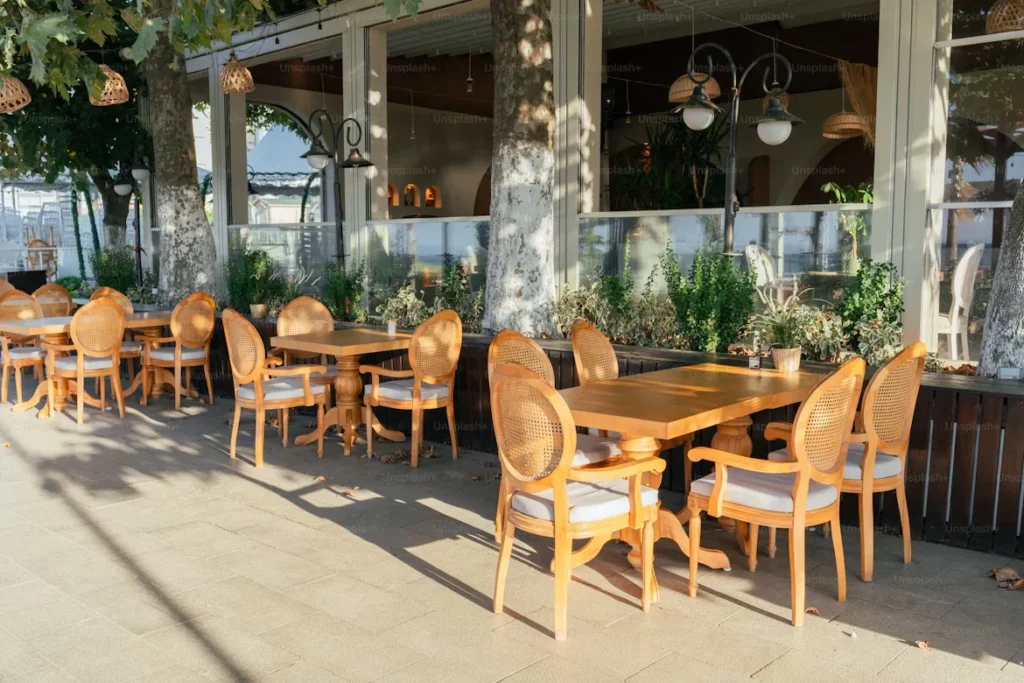
Cleaning outdoor furniture in the cold is no one’s favorite project, which is why low-maintenance options are best. French chairs are made with materials that dry quickly after rain or snow. Their non-porous surfaces help prevent the accumulation of salt or dust. They’re also easy to sanitize, making them suitable for year-round use.
Long-term maintenance costs also remain low. Bistro chairs don’t require sealing, staining, or other seasonal maintenance. Compared to wooden options, staff spend about 30% less time maintaining those chairs. That way, there is much less hassle during those busy transition periods between fall and winter or winter and spring.
In addition, the durability of the finishes guarantees the chairs maintain their appearance even after years of use. For busy restaurants, this matters more than ever. A chair that consistently appears sparkling and effortless creates a fine first impression, which can influence the overall perception of your status quo. When maintenance is easy, personnel can focus extra on service and less on scrubbing or maintenance.
Proven in Cold Climates Worldwide
Restaurants in towns with lengthy, snowy winters, such as Oslo, Berlin, Toronto, or even high-altitude ski cities, have long embraced. These seats are designed to perform well on icy sidewalks and patios, particularly in areas with frequent freeze-thaw cycles.
Many business owners say their chairs are ultimate for 15 years or more with minimal alternative needs. Commercial-grade restaurant chairs typically have a replacement price of less than 10% annually, which is excellent for furnishings continuously exposed to the elements.
The recognition of these chairs in less warm towns isn’t always just because of the lifestyle; it’s because they consistently outperform bulkier, more fragile options. From snowy sidewalks in Quebec to foggy rooftops in Copenhagen, they’ve stood the test of time. They’ve become a global standard for restaurants that charge for both performance and presentation.
Style That Supports Sustainability
Sustainability in hospitality now extends beyond sourcing food it includes furniture decisions as well.
Many commercial bistro chairs:
- Use recyclable aluminum frames
- Incorporate responsibly sourced or recycled synthetic materials
- Reduce landfill waste through extended lifespan
Approximately 70% of restaurant buyers now consider environmental impact when selecting outdoor furnishings. Durability itself is a sustainability strategy. Fewer replacements mean fewer resources consumed and less waste generated over time.
Choosing seating that lasts 15 years instead of 5 reduces both operational costs and environmental footprint aligning brand values with climate-conscious business practices.
A Final Word on a Reliable Classic
When it comes to seating that combines both style and functionality, set the standard. They don’t simply bring splendor to a place; they enhance the overall guest experience while withstanding the most unforgiving weather.
They’ve been confirmed to be a wise investment, regularly yielding up to twenty-five percent more return over ten years compared to other commercial outside seating. From the way they appear to the manner they perform, those seats are certainly one of a kind.
They remind us that practical alternatives can nonetheless be complete of personality. And in bloodless climates, in which fashion regularly takes a back seat to survival, these chairs can manage to deliver both. As restaurants continue to adapt to year-round outdoor dining and customers seeking memorable experiences, the cost of thoughtful design and high-quality materials becomes clear.
French bistro chairs demonstrate that even the coldest months can be warm and alluring when you choose the right seat.
Also Read: From Dubai with Style: Outdoor Furniture Arrangement for Busy Parents