

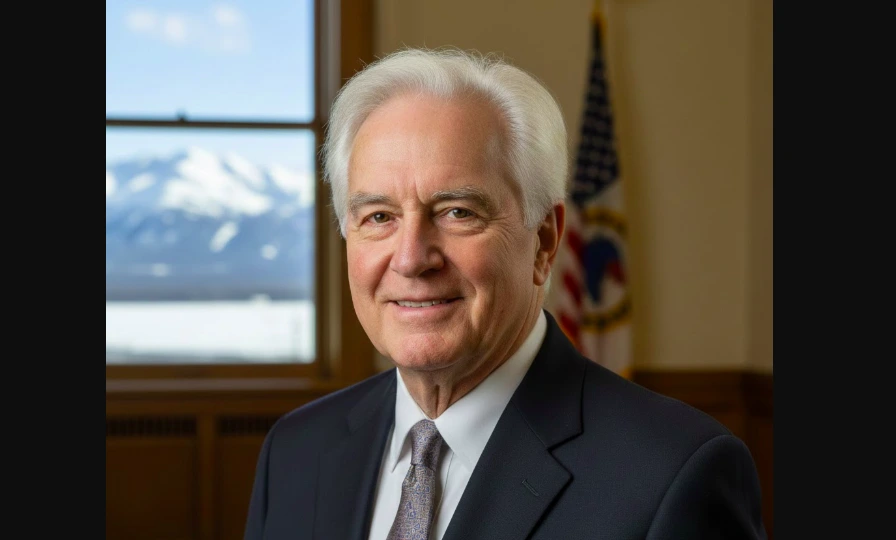
Frank Murkowski is a former U.S. Senator and the 8th who shaped the state’s energy, land, and fiscal debates for more than two decades.
Serving in the U.S. Senate from 1981 to 2002 and as governor from 2002 to 2006, Murkowski built a reputation as a forceful advocate for oil and gas development, federal land access, and Alaska’s strategic role in national energy policy.
His legacy remains debated: supporters credit him with advancing resource development and federal influence; critics point to political controversies and the 2006 election that ended his governorship after one term.
Have questions about this story?
Ask Tundra for more details, context, or updates.
Quick Facts About Frank Murkowski
| Detail | Information |
| Full Name | Frank Hughes Murkowski |
| Born | March 28, 1933 |
| Political Party | Republican |
| U.S. Senate | 1981–2002 (Alaska) |
| Governor of Alaska | 2002–2006 |
| Core Focus | Energy policy, federal land issues, and infrastructure |
| Family | Father of U.S. Senator Lisa Murkowski |
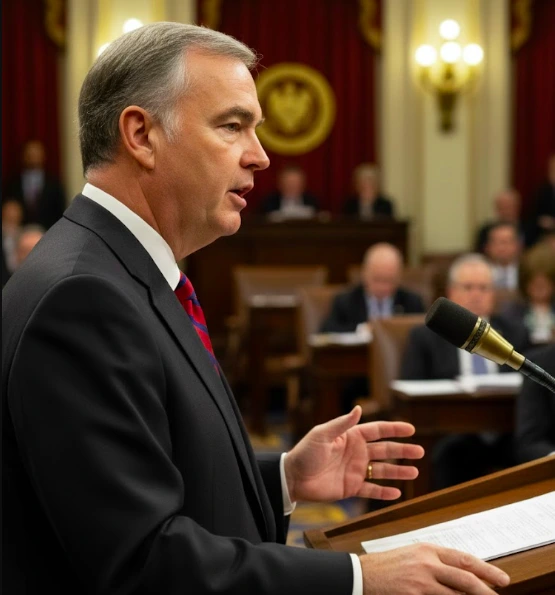
Early Life and Career Before Politics
Frank Murkowski was born in Seattle, Washington, in 1933, and later moved to Alaska during its formative statehood years. Before entering politics, he built a career in banking and finance, serving in leadership roles that positioned him close to Alaska’s economic development circles.
Why this matters to you as a reader: Alaska’s political leadership has often emerged from industries tied to natural resources and finance. Murkowski’s banking background shaped how he approached fiscal policy, infrastructure funding, and state resource management.
By the late 1970s, Alaska was still adjusting to oil wealth following the discovery of Prudhoe Bay, and Murkowski stepped into politics during a period when federal land control and oil revenue distribution were defining issues.
Frank Murkowski as U.S. Senator (1981–2002)
Frank Murkowski served 22 years in the U.S. Senate, becoming one of Alaska’s most influential federal lawmakers.
Committee Roles and Influence
During his tenure, Murkowski:
- Served on key energy-related committees
- Chaired the Senate Energy and Natural Resources Committee
- Focused on federal land access and domestic energy production
Holding committee leadership allowed him to influence legislation directly affecting Alaska’s oil fields, federal land management, and Arctic development.
Energy and Oil Policy
Frank Murkowski’s energy policy, you’ll find that resource development defined much of his Senate career.
He strongly supported:
- Opening portions of the Arctic National Wildlife Refuge (ANWR) to oil exploration
- Expanding offshore drilling
- Strengthening domestic oil production to reduce foreign energy dependence
Supporters argue these policies protected Alaska’s economic engine. Critics countered that environmental concerns were downplayed.
Federal Land and Alaska Development
Alaska is unique: approximately 60% of its land is federally owned. Murkowski consistently advocated for increased state control and access to federal lands to enable development, infrastructure expansion, and resource extraction.
He positioned Alaska as:
- Strategically vital to U.S. energy independence
- A frontier for responsible development
- An economic contributor beyond its population size
Frank Murkowski as Governor of Alaska (2002–2006)
After more than two decades in Washington, Murkowski returned to Alaska politics and was elected governor in 2002.
Budget and Fiscal Management
As governor, he inherited a state economy heavily dependent on oil revenue. His administration focused on:
- Stabilizing state finances
- Negotiating gas pipeline proposals
- Addressing long-term fiscal sustainability
Alaska’s revenue model relied significantly on oil royalties, and global oil price fluctuations created budget uncertainty during his term.
Natural Gas Pipeline Strategy
One of the most significant initiatives during Murkowski’s governorship was advancing plans for a North Slope natural gas pipeline. The proposal aimed to transport Alaska’s vast gas reserves to markets in the Lower 48 states.
The project involved:
- Multibillion-dollar negotiations
- Coordination with major oil companies
- Long-term infrastructure planning
While the pipeline did not materialize during his administration, it shaped future energy policy discussions in Alaska.
Appointment of Lisa Murkowski
One of the most controversial decisions of Murkowski’s governorship came in 2002, when he appointed his daughter, Lisa Murkowski, to fill his U.S. Senate seat after he became governor.
The appointment generated:
- Allegations of nepotism from critics
- Political backlash
- Media scrutiny
However, Lisa Murkowski later won election in her own right and continues to serve in the Senate, becoming one of Alaska’s most influential modern political figures.
The 2006 Election and Political Turning Point
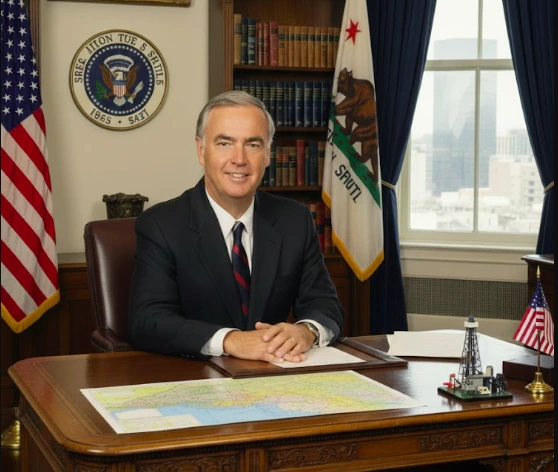
In 2006, Murkowski lost the Republican primary for governor.
Key factors included:
- Low approval ratings
- Controversy over the Senate appointment
- Concerns about the administration management style
- Intra-party dissatisfaction
He received roughly 19% of the vote in the primary, a rare defeat for an incumbent governor. The loss marked a significant turning point in Alaska’s political history.
For readers evaluating his legacy, the 2006 election highlights the complexity of his public perception: long federal influence contrasted with short-lived state executive tenure.
Frank Murkowski’s Political Legacy in Alaska
To understand Frank Murkowski’s legacy, you need to consider multiple dimensions.
Energy and Resource Development
Supporters argue that:
- He strengthened Alaska’s role in national energy debates
- He protected oil-based economic interests
- He expanded the state’s federal influence
Energy remains central to Alaska’s economy, and Murkowski’s policies aligned closely with that reality.
Fiscal Policy
His fiscal approach reflected:
- Caution regarding spending
- Emphasis on long-term infrastructure
- Reliance on resource-based revenue
Critics argued that broader economic diversification received less attention during his leadership.
Political Dynasty and Influence
The Murkowski name remains influential in Alaska politics, largely due to Lisa Murkowski’s ongoing Senate career. Whether viewed as political continuity or dynasty, the family’s presence continues to shape state and national discussions.
Criticism and Controversies
Major criticisms include:
- Perception of nepotism
- Executive decision-making style
- Electoral rejection in 2006
Balanced evaluation requires acknowledging both accomplishments and political setbacks.
Also Read: Fiona Bruce and Her Career as a Television Presenter
How Frank Murkowski Compares to Other Alaska Governors
To understand Frank Murkowski’s legacy properly, you have to place him within the broader history of Alaska’s governors. Alaska’s leadership has historically reflected the state’s resource-driven economy, federal negotiations, and unique political environment.
Here’s how Murkowski compares.
Comparison Table: Frank Murkowski vs Other Key Alaska Governors
| Governor | Years in Office | Political Party | Core Focus | Political Outcome |
| William A. Egan | 1959–1966, 1970–1974 | Democrat | Statehood leadership, early development | Foundational state leader |
| Jay Hammond | 1974–1982 | Republican | Creation of Permanent Fund | Long-term fiscal legacy |
| Tony Knowles | 1994–2002 | Democrat | Economic diversification, labor | Two-term governor |
| Frank Murkowski | 2002–2006 | Republican | Energy development, gas pipeline | Lost primary in 2006 |
| Sarah Palin | 2006–2009 | Republican | Reform messaging, ethics focus | Resigned before term ended |
Frank Murkowski vs Jay Hammond
If you compare Murkowski to Jay Hammond, the contrast is significant.
Hammond is widely associated with the creation of the Alaska Permanent Fund, which fundamentally reshaped Alaska’s fiscal structure. Murkowski, by contrast, focused more heavily on:
- Expanding resource development
- Negotiating energy infrastructure
- Federal land access
While Hammond’s legacy centers on long-term fiscal reform, Murkowski’s centers on energy policy and executive governance.
Frank Murkowski vs Tony Knowles
Tony Knowles, who served before Murkowski, emphasized:
- Economic diversification
- Labor relations
- Moderate bipartisan positioning
Murkowski’s administration shifted focus toward:
- Aggressive resource policy
- Pipeline negotiations
- Federal alignment on energy issues
The 2002 transition marked a political shift from a Democratic administration to Republican energy-driven priorities.
Frank Murkowski vs Sarah Palin
Sarah Palin succeeded Murkowski after his 2006 primary defeat.
Key differences:
- Palin campaigned on reform and ethics oversight
- Murkowski was viewed as establishment-oriented
- Palin’s messaging resonated with voters seeking change
The 2006 election reflected a broader shift in voter sentiment and internal party realignment.
What Makes Frank Murkowski Distinct?
Among Alaska governors, Murkowski stands out for:
- Serving 22 years in the U.S. Senate before becoming governor
- Having the deepest federal legislative background among modern governors
- Influencing both federal and state energy policy
- Being part of a continuing political family legacy
Few Alaska governors have combined such extensive federal service with executive state leadership.
Historical Position in Alaska Politics
When placed in historical context:
- Early governors focused on state-building and fiscal foundations
- Mid-era governors balanced development and diversification
- Murkowski emphasized large-scale energy negotiation
- Post-Murkowski leadership shifted toward reform narratives
His governorship represents a transitional moment between long-standing development politics and modern reform-era campaigning.
Timeline of Frank Murkowski’s Political Career
| Year | Position | Key Event |
| 1980 | Elected U.S. Senator | Begins Senate service |
| 1981–2002 | U.S. Senator | Energy & land policy focus |
| 2002 | Elected Governor | Appoints Lisa Murkowski |
| 2002–2006 | Governor | Gas pipeline negotiations |
| 2006 | Primary Defeat | Ends governorship |
How Political Analysts View Frank Murkowski Today
Today, Frank Murkowski is often viewed as:
- A traditional pro-development Republican
- A central figure in Alaska’s oil-era politics
- A bridge between early statehood leadership and modern federal influence
Historians examining Alaska’s late 20th-century politics frequently place him within the broader debate over resource development versus environmental preservation.
Also Read: Daymond John: Exploring the Legacy of FUBU and His Shark Tank Journey
Final Assessment: What Is Frank Murkowski’s Legacy?
If you ask, “What is Frank Murkowski’s legacy?”, the answer depends on perspective.
From a development standpoint:
- He championed Alaska’s resource-based economy.
- He strengthened federal energy policy influence.
- He helped define Alaska’s role in national debates.
From a political standpoint:
- His governorship was short and controversial.
- The 2006 election marked a decisive voter shift.
- His family’s continued political presence remains significant.
In the broader context of Alaska history, Murkowski represents a generation of leaders who prioritized economic development through oil, land access, and federal negotiation. His impact is still visible in policy debates that continue today.
FAQs
How long was Frank Murkowski the governor of Alaska?
He served one term as governor from 2002 to 2006.
How long was Frank Murkowski a U.S. Senator?
He served 22 years, from 1981 to 2002.
Why did Frank Murkowski appoint Lisa Murkowski?
After being elected governor in 2002, he appointed Lisa Murkowski to fill his vacated Senate seat, a move that generated political controversy.
What party was Frank Murkowski?
He was a member of the Republican Party.
What is Frank Murkowski known for?
He is known for his long Senate career, strong support for energy development, and his role in shaping Alaska’s federal land and oil policy debates.