




Disclaime: This article is for informational purposes only. It does not provide medical, psychological, diagnostic, or therapeutic guidance and should not be interpreted as a substitute for professional healthcare or mental health support.
Have you ever wondered how your emotions affect your body, or why your physical self reacts during moments of stress or joy?
It’s quite common to feel that our mind and body are two separate things, but in truth, they work together closely. The way we think, feel, and act is deeply linked to how our body functions. In fact, more than 1 billion people worldwide live with a mental health condition at any given time, highlighting the global scale of psychological stress and emotional challenges. This widespread reality helps explain why many educational, psychological, and cultural discussions continue to explore how emotional experiences and physical awareness interact in daily life. That’s what makes the concept of the mind–body connection so interesting and meaningful.
The idea isn’t new, but many people today are learning to understand it in a more practical and personal way.
Have questions about this story?
Ask Tundra for more details, context, or updates.
What Mind-Body Connection Really Means
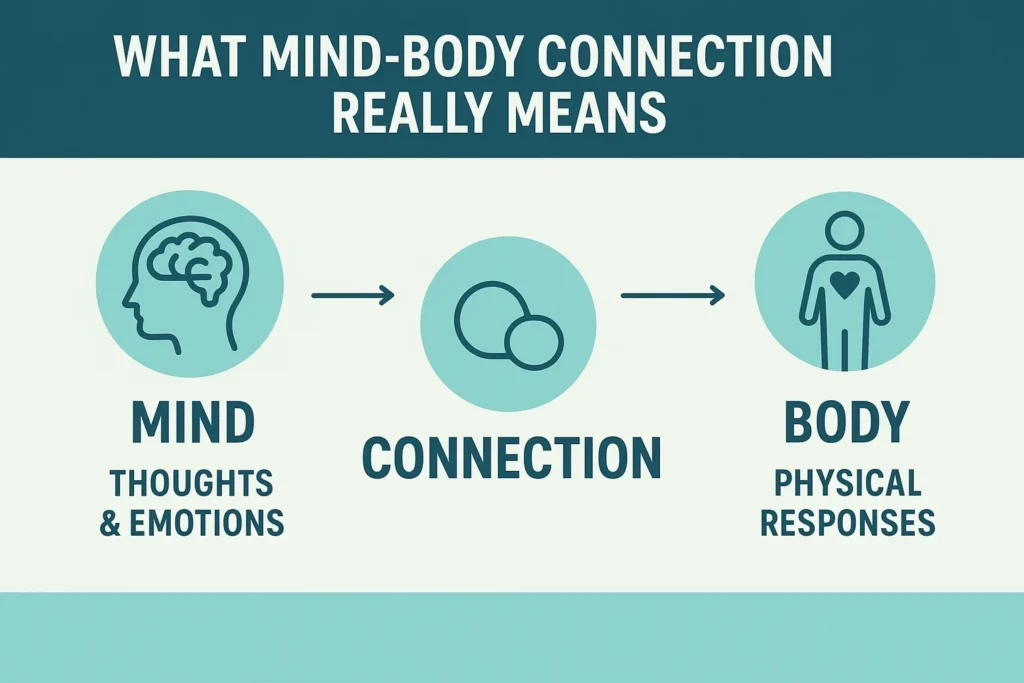
The mind–body connection refers to how mental states, emotions, and physical sensations interact and influence one another in daily life. For example, emotional responses such as nervousness or excitement may coincide with noticeable physical changes, such as altered breathing or muscle tension. Similarly, physical conditions such as rest, movement, or fatigue can affect mood and mental clarity.
These interactions are commonly observed experiences rather than measurable medical mechanisms. Understanding them helps people become more aware of their internal responses and patterns without assigning clinical or therapeutic meaning to those experiences.
Also Read: Discovering Hybrid Therapy: A Balanced Approach to Mental Wellness
In educational and psychological discussions, the mind–body connection is often used to describe awareness, perception, and behavioral responses rather than health outcomes.
Why Mental and Physical Awareness Are Often Discussed Together
It is common to notice links between emotional states and physical reactions in everyday situations. For instance, excitement may be accompanied by a faster heartbeat, while calm moments may feel physically relaxing. Simple actions such as slow breathing or quiet movement are often associated with a sense of mental ease.
These observations are frequently used in learning environments to explain how attention, emotion, and physical awareness interact. The focus is not on changing or treating conditions, but on understanding how responses occur naturally and how awareness can support emotional regulation.
Awareness as an Everyday Skill
Awareness in this context means paying attention to internal experiences without trying to control or correct them. When people notice how emotions influence physical changes, they often gain insight into their habits and reactions.
This awareness does not aim to eliminate stress or emotions. Instead, it encourages recognition and understanding. For example, noticing tension during stressful moments can help individuals pause and reflect rather than react automatically.
Such awareness is commonly discussed in educational and personal development settings to improve emotional literacy and self-understanding.
.
Benefits of Mind-Body Awareness
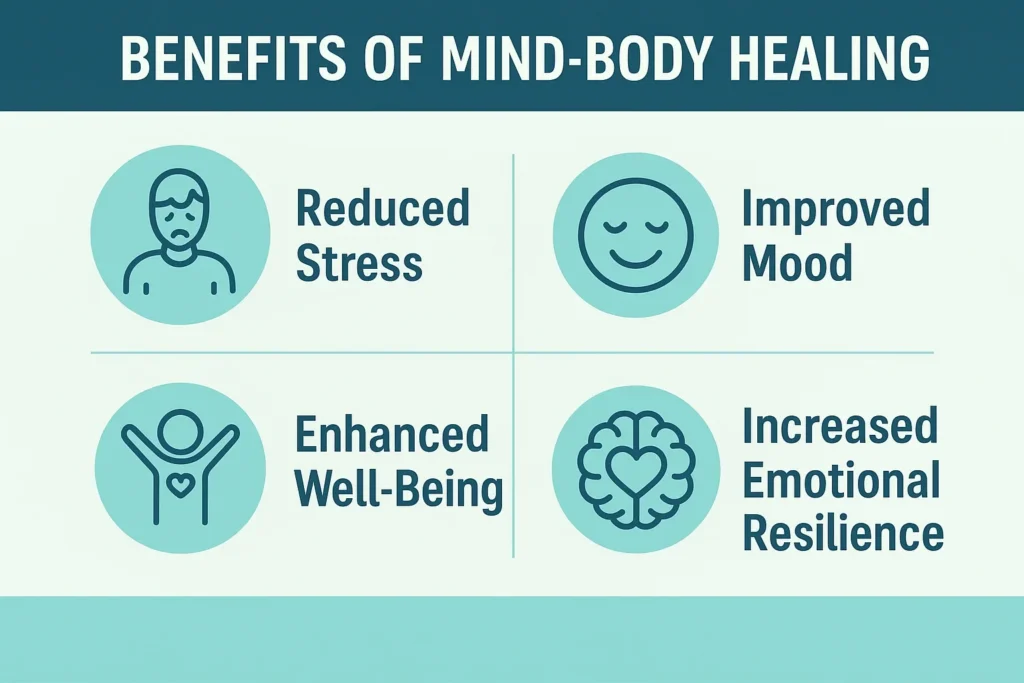
Here are a few ways being mindful of this connection can make daily life better:
- Improves focus and clarity in thoughts
- Helps manage emotions calmly
- Reduces tiredness and mental fatigue
- Supports peaceful sleep
- Encourages better posture and breathing habits
These benefits come slowly but surely with regular practice. Once people notice how they react to emotions or stress, they begin living more balanced lives.
How “Energetics” Is Used in Non-Medical Contexts
In non-clinical discussions, the term energetics is sometimes used as a conceptual or descriptive framework rather than a scientific system. In this context, it refers to how people describe emotional intensity, mental focus, or physical sensations using metaphorical language such as “feeling heavy,” “light,” or “tense.”
This usage does not describe biological energy, medical processes, or therapeutic interventions. Instead, it reflects how individuals interpret internal experiences through language and perception. Educational or wellness discussions may use the term to help people articulate emotional or mental states, not to explain physical health mechanisms.
Simple, Everyday Ways People Explore Balance
People often explore mind–body awareness through ordinary habits such as quiet reflection, movement, or mindful attention during daily activities. These actions are not treatments or techniques but everyday practices that support observation and presence.
Examples commonly mentioned in educational contexts include pausing to notice breathing, paying attention to posture, or reflecting on emotional reactions during routine moments. These practices emphasize awareness rather than change or correction.
Emotions and Physical Experience
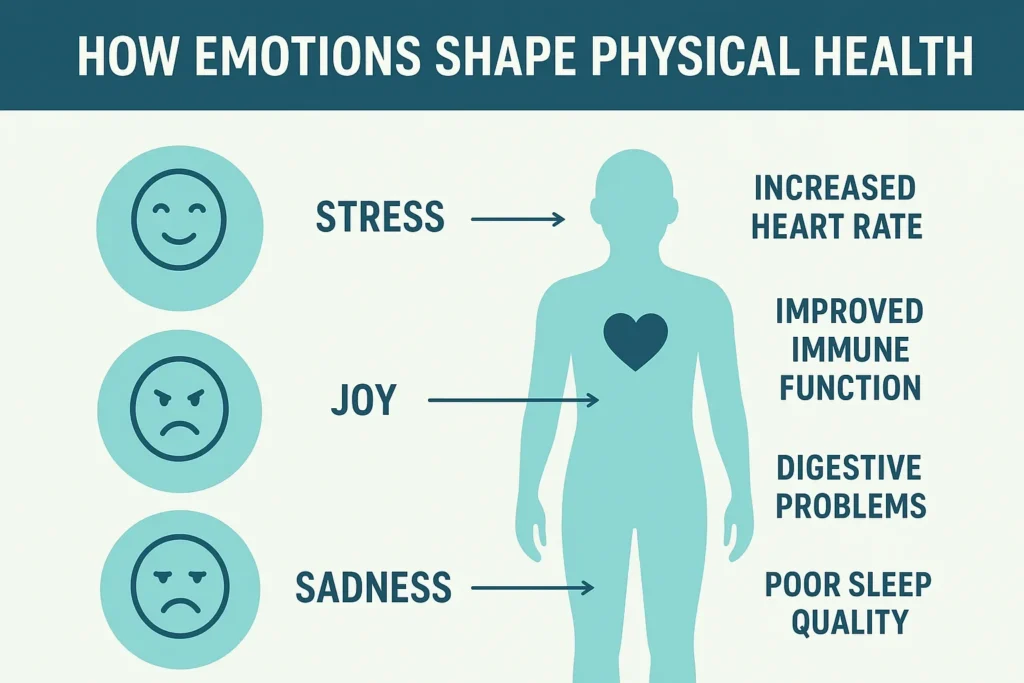
Emotions often coincide with physical sensations, such as changes in breathing, muscle tension, or restlessness. Recognizing these connections helps people understand emotional responses without judging them.
In psychological discussions, acknowledging emotions rather than suppressing them is often associated with greater emotional clarity and self-regulation. This perspective focuses on understanding experiences rather than influencing physical health outcomes.
Listening to Physical Signals
Physical sensations can serve as cues to emotional or mental states. Paying attention to these signals can help individuals recognize stress, fatigue, or comfort levels.
This type of observation is commonly discussed as a reflective practice rather than a diagnostic tool. The emphasis is on noticing patterns and responses, not interpreting symptoms or conditions.
Building a Calm and Connected Life
The connection between mind and body also brings more calmness into daily living. When people stay aware of their thoughts and feelings, they tend to react less and understand more.
This balance naturally supports healthy relationships, better focus, and emotional comfort.
Mind-body awareness can also bring people closer to nature and help them feel more present in their surroundings. Even simple habits like morning sunlight, calm walks, or quiet reading can strengthen the connection between mental and physical states.
Important Limitations and Common Misunderstandings
It is important to clarify that mind–body concepts and energetics are not medical systems, treatments, or substitutes for professional care. Interpretations vary widely across cultures, philosophies, and educational traditions.
These concepts should be understood as descriptive and reflective tools, not as explanations for illness or solutions for health conditions. Any physical or mental health concerns should always be addressed by qualified professionals.
Also Read: Why Older People May Benefit from Ongoing Mental Health Care
Educational References and Context
Some educational organizations, such as the Energetics Institute, explore mind–body awareness within counselling, psychotherapy, and personal development education, presenting these ideas as reflective frameworks rather than medical or therapeutic systems.
When referencing such organizations, it is important to view their work as informational and educational, not as a medical authority or endorsement.
Conclusion
The mind–body connection is best understood as a way of observing how mental, emotional, and physical experiences interact in everyday life. It does not require special training or belief systems, only attention and reflection.
By noticing these interactions without judgment, people can better understand their own responses and experiences. This awareness supports a more thoughtful, balanced approach to daily living, grounded in observation rather than claims or promises.