





For a long time, people thought the best leaders were simply the smartest people in the room. We looked at IQ (Intelligence Quotient) as the ultimate gold standard. We wanted leaders who could crunch numbers, memorize data, and solve complex logical puzzles.
But as the modern workplace has evolved, we’ve realized that being “book smart” isn’t enough. To lead a team of human beings, you need to understand human emotions. This is where Emotional Intelligence (EQ) comes in.
Have questions about this story?Ask Tundra for more details, context, or updates.
What Exactly is Emotional Intelligence?
At its simplest, Emotional Intelligence is the ability to recognize, understand, and manage your own emotions while also recognizing and influencing the emotions of others.
Think of it this way: IQ might get you through the door, but EQ is what helps you climb the ladder and keep people on your side. A leader with high EQ doesn’t just bark orders; they read the room. They know when an employee is burnt out, when a team is losing focus, and how to stay calm when a crisis hits.
The 5 Pillars of Emotional Intelligence
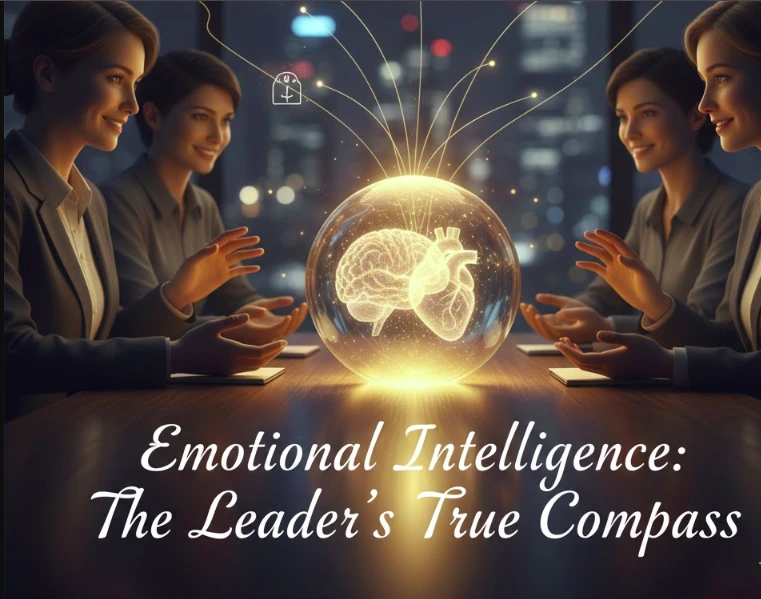
According to experts like Daniel Goleman, there are five main components that make up EQ. Understanding these is the first step toward becoming a better leader.
1. Self-Awareness
This is the foundation. Self-awareness means knowing your strengths, your weaknesses, and most importantly, your triggers.
- The EQ Leader: If they are frustrated by a late report, they recognize the feeling before they snap at someone.
- The Result: They act with intention rather than reacting out of habit.
2. Self-Regulation
Once you know what you’re feeling, can you control it? Self-regulation is about staying in the driver’s seat. It’s the ability to think before you speak.
- The EQ Leader: They don’t panic when things go wrong. They stay cool, which helps the rest of the team stay cool.
- The Result: A workplace built on trust rather than fear of a “boss’s mood swings.”
3. Internal Motivation
High-EQ leaders aren’t just working for a paycheck or a fancy title. They have a deep-seated passion for what they do. They set high goals and have a “can-do” attitude that is contagious.
- The EQ Leader: They celebrate small wins and keep the team focused on the “why” behind the work.
- The Result: Higher engagement and morale across the board.
4. Empathy
Empathy is the ability to see the world through someone else’s eyes. In leadership, this doesn’t mean you have to agree with everyone, but you do need to understand their perspective.
- The EQ Leader: When an employee’s performance drops, they ask, “Is everything okay?” instead of just giving a warning.
- The Result: Loyalty. Employees stay where they feel seen and heard.
5. Social Skills
This is the “people person” part of EQ. It’s about communication, conflict resolution, and building rapport.
- The EQ Leader: They are great at giving feedback that helps people grow without making them feel small.
- The Result: A cohesive team that actually enjoys working together.
Why Does EQ Matter in the Workplace?
You might be thinking, “This sounds nice, but does it actually help the bottom line?” The answer is a resounding yes. ### Better Conflict Resolution: Conflicts are inevitable. In a low-EQ environment, disagreements turn into grudges. In a high-EQ environment, leaders use empathy to find middle ground. They resolve issues quickly so the team can get back to work.
Improved Retention
People don’t quit jobs; they quit managers. When a leader lacks emotional intelligence, the environment becomes toxic. High EQ creates a “psychologically safe” space where people feel comfortable taking risks and making mistakes. This keeps your best talent from looking for the exit.
Clearer Communication
An emotionally intelligent leader knows that it’s not just what you say, but how you say it. They tailor their communication style to the person they are talking to. They know that some people need directness, while others need a softer touch.
How to Improve Your Emotional Intelligence
The good news is that, unlike IQ, which is mostly fixed, EQ can be learned. It’s like a muscle; the more you work it, the stronger it gets. Here are some simple ways to start:
- Practice Active Listening: Next time someone speaks to you, don’t just wait for your turn to talk. Truly listen. Watch their body language. What aren’t they saying?
- Ask for Feedback: Ask your team, “How do I handle stress?” or “Do I make you feel heard?” The answers might be tough to hear, but they are gold for growth.
- The 5-Second Rule: Before reacting to an annoying email or a mistake, count to five. This gives your logical brain a chance to catch up with your emotional brain.
- Journal Your Triggers: Keep a small note of what makes you lose your cool. Is it being interrupted? Is it a lack of punctuality? Once you name it, you can tame it.
Also Read: 15 Critical Thinking Exercises: A Practical Guide for Skill Development
The Big Picture
At the end of the day, leadership is about relationships. You can have the best strategy in the world, but if your people don’t trust you or feel valued by you, that strategy will fail.
Emotional intelligence is what turns a manager into a leader. It turns a group of workers into a team. By focusing on your EQ, you aren’t just becoming a “nicer” person; you’re becoming a more effective, powerful, and respected professional.
The world has enough “bosses.” What it really needs are leaders who understand the human heart just as well as they understand the balance sheet.
Key Takeaway: Intelligence gets you hired, but emotional intelligence gets you promoted and followed. Start small, stay curious about your own feelings, and watch your leadership transform.