



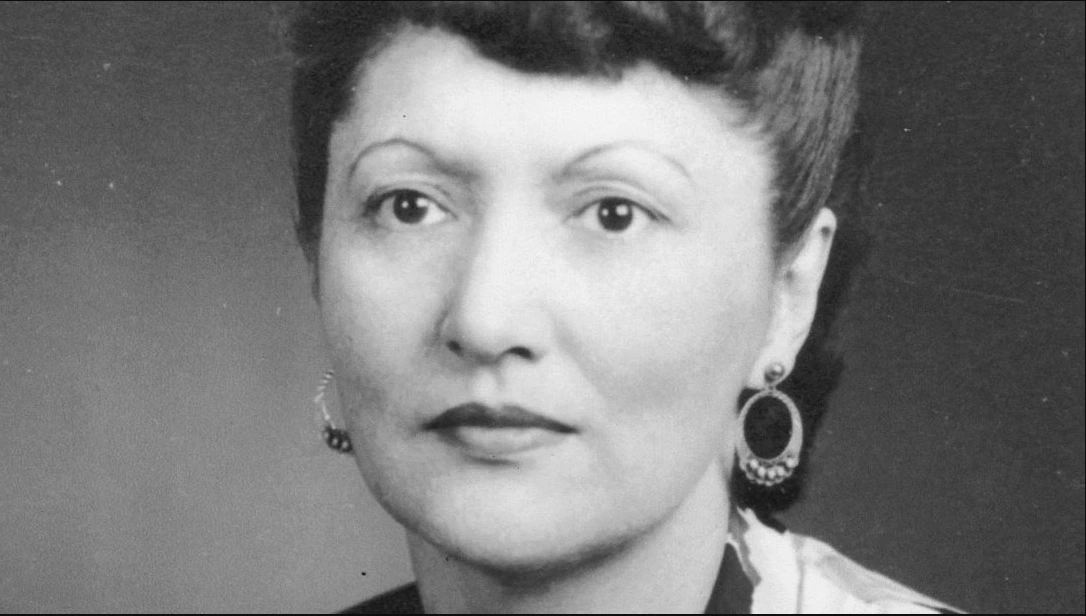
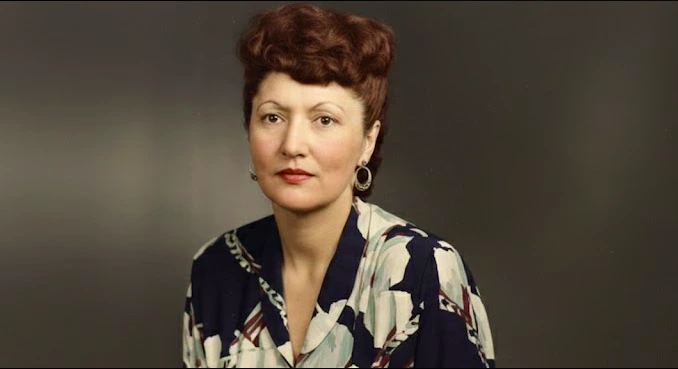
Elizabeth Peratrovich occupies a unique and foundational place in American civil rights history. Long before civil rights became a national movement, she confronted institutional racism in Alaska with precision, dignity, and moral authority.
Her leadership directly led to the passage of the Alaska Anti-Discrimination Act of 1945, the first comprehensive civil rights law enacted anywhere in the United States.
This article presents a complete, expert-level profile of Elizabeth Peratrovich, answering all major historical, biographical, and interpretive questions in one cohesive narrative, without fragmentation or superficial treatment.
Have questions about this story?Ask Tundra for more details, context, or updates.
Elizabeth Peratrovich – Complete Life & Legacy Overview
| Aspect | Details |
| Full Name | Elizabeth Jean Wanamaker Peratrovich |
| Date of Birth | July 4, 1911 |
| Place of Birth | Petersburg, Alaska (then a U.S. territory) |
| Indigenous Nation | Tlingit |
| Early Life | Orphaned at a young age, adopted by Andrew Wanamaker |
| Childhood Context | Grew up during legal segregation with “No Natives Allowed” policies |
| Education | Attended school in Ketchikan, Alaska |
| Profession | Clerk and bookkeeper |
| Spouse | Roy Peratrovich |
| Activism Partnership | Worked jointly with Roy on Alaska Native civil rights |
| Organizations Involved | Alaska Native Brotherhood; Alaska Native Sisterhood |
| Main Cause | Ending racial discrimination against Alaska Natives |
| Key Historical Moment | Testimony before Alaska Territorial Legislature (1945) |
| Famous Contribution | Influential speech supporting anti-discrimination legislation |
| Notable Quote | Referenced the U.S. Bill of Rights to challenge racist arguments |
| Major Achievement | Helped secure passage of the Alaska Anti-Discrimination Act |
| Landmark Law | Alaska Anti-Discrimination Act of 1945 |
| Why the Law Matters | First comprehensive civil rights law in U.S. history |
| Vote Outcome | Passed 8–6 |
| National Significance | Enacted 19 years before the U.S. Civil Rights Act of 1964 |
| Leadership Style | Calm, reasoned, constitutional, non-confrontational |
| Later Life | Continued quiet advocacy; avoided public attention |
| Cause of Death | Cancer |
| Date of Death | December 1, 1958 |
| Age at Death | 47 |
| Place of Death | Juneau, Alaska |
| Posthumous Recognition | Gained wider recognition decades later |
| Official Honors | Elizabeth Peratrovich Day (February 16, Alaska) |
| Memorials | Statue in Juneau |
| Hall of Fame | Alaska Women’s Hall of Fame |
| Educational Legacy | Taught in the Alaska school curricula |
| Historical Importance | Pioneer of Indigenous and women-led civil rights |
| Why She Matters Today | Demonstrates early, lawful civil rights leadership |
| Core Legacy | Proved dignity and reason can change discriminatory laws |
Elizabeth Peratrovich: Identity, Heritage, and Historical Context
Elizabeth Jean Wanamaker Peratrovich was born on July 4, 1911, in Petersburg, during a period when Alaska existed as a U.S. territory rather than a state. She was a member of the Tlingit people, an Indigenous nation with deep cultural, political, and social structures across Southeast Alaska.
At the time of her birth, Alaska Native people lived under an informal but deeply entrenched system of racial segregation. Discrimination was not hidden or subtle. Public signs reading “No Natives Allowed” were legally tolerated and socially normalized in hotels, restaurants, theaters, and employment spaces.
Elizabeth’s life and leadership must be understood within this territorial and colonial framework. Her activism was not symbolic. It directly challenged a legal and social system that defined Alaska Native people as second-class citizens.
Early Life: Orphanhood, Adoption, and Formation of Worldview
Elizabeth was orphaned at a young age and later adopted by Andrew Wanamaker, a fisherman. This early disruption in her family life placed her in close contact with both Alaska Native and non-Native social worlds.
Rather than shielding her from discrimination, this upbringing exposed her to its everyday reality. She experienced exclusion not as an abstract injustice but as a routine denial of dignity. These experiences shaped her worldview, reinforcing a belief that inequality was neither natural nor acceptable, but enforced and therefore reversible.
Also Read: Jewel Kilcher Biography (2025) – Age, Net Worth, Family, Career & More
Education and Professional Development
Elizabeth attended school in Ketchikan, an important regional center in Southeast Alaska. Education for Alaska Native women during this era was limited, and professional opportunities were rare.
She later worked as a clerk and bookkeeper, roles that required literacy, numeracy, and organizational authority. These professional skills would later translate into her effectiveness in advocacy, correspondence, and legislative engagement.
Her education was not merely academic. It equipped her with the confidence and clarity necessary to speak in spaces where Alaska Native voices were routinely dismissed.
Marriage to Roy Peratrovich and Collective Leadership
Elizabeth married Roy Peratrovich, a respected Tlingit leader and political organizer. Their marriage functioned as a partnership in advocacy as much as a personal union.
Both were active members of the Alaska Native Brotherhood and the Alaska Native Sisterhood. These organizations represented the most organized and sustained Indigenous political movements in Alaska during the early 20th century.
Through these groups, she worked on voting rights, legal recognition, and anti-discrimination campaigns. Her leadership style emphasized preparation, legality, and moral persuasion rather than protest or confrontation.
Civil Rights in Alaska Before 1945
To understand Elizabeth Peratrovich’s significance, it is essential to understand the legal landscape she confronted.
Before 1945:
- Racial discrimination in Alaska was legal
- Alaska Natives could be denied service openly
- Employment discrimination was common
- Educational access was unequal
- No federal civil rights protections existed
Civil rights in Alaska developed independently of national movements. There was no Civil Rights Act, no Supreme Court enforcement, and no national pressure. Change had to come from within the territory itself.
Also Read: Sarah Palin Now: Net Worth, Dating Ron Duguay, 2025 Comeback & Controversies
The Alaska Anti-Discrimination Act of 1945: Origins and Intent
The Alaska Anti-Discrimination Act of 1945 was introduced to outlaw discrimination in public accommodations, employment, and education.
The bill was controversial. Legislators questioned whether Alaska Natives were “ready” for equality, exposing the paternalistic racism embedded in territorial governance.
She did not introduce the bill, but she became its moral center.
Elizabeth Peratrovich’s Speech to the Alaska Territorial Legislature
During legislative hearings in Juneau, opponents of the bill used openly racist language, characterizing Alaska Natives as inferior and uncivilized.
She requested the floor.
Her response was calm, structured, and devastating in its logic. She reframed discrimination as a failure of character among those enforcing it, rather than a deficiency among those subjected to it.
The Most Cited Elizabeth Peratrovich Quote
“I would not have expected that I, who am barely out of savagery, would have to remind gentlemen with five thousand years of recorded civilization behind them of our Bill of Rights.”
This statement dismantled the ideological foundation of segregation. It exposed discrimination as irrational, un-American, and morally incoherent.
Also Read: CB Cotton Age and Biography | Fox News National Correspondent
Impact of the Speech and Passage of the Law
Following her testimony, the political atmosphere shifted. The Alaska Territorial Legislature passed the bill 8–6.
The consequences were immediate and historic:
- Alaska became the first U.S. jurisdiction with a comprehensive anti-discrimination law
- Legal segregation was formally outlawed
- Indigenous civil rights gained statutory protection
This occurred 19 years before the U.S. Civil Rights Act of 1964.
Life After 1945: Advocacy Without Visibility
Elizabeth Peratrovich did not pursue public office or national recognition after the law’s passage. She continued community advocacy through established organizations and civic engagement.
Her leadership after 1945 reflected a broader Indigenous tradition of service without spectacle. She viewed the law not as a personal victory, but as a communal correction.
Death and Historical Silence
She died on December 1, 1958, at the age of 47, in Juneau, following a battle with cancer.
For decades, her contributions remained underrepresented in national civil rights narratives. Alaska’s geographic distance and the Indigenous nature of her leadership contributed to this silence.
Rediscovery, Recognition, and Elizabeth Peratrovich Day
In later decades, historians and educators reassessed Alaska’s civil rights history.
Her recognition now includes:
- Elizabeth Peratrovich Day, observed on February 16 in Alaska
- Induction into the Alaska Women’s Hall of Fame
- A statue in Juneau
- Inclusion in Alaska’s official educational curriculum
Her legacy is now institutionalized within Alaska’s historical memory.
Why Elizabeth Peratrovich Matters in U.S. Civil Rights History
Her story challenges simplified narratives of American civil rights.
She demonstrates that:
- Civil rights leadership predates the 1960s
- Indigenous women shaped constitutional equality
- Territorial governments could lead national reform
- Law, language, and dignity can defeat prejudice
Her work belongs alongside the most consequential civil rights actions in U.S. history.
Also Read: Hilary Lindh Biography: Olympic Silver Medalist and Skiing Legend
Final Assessment: What Did Elizabeth Peratrovich Do?
Elizabeth Peratrovich helped dismantle legalized racial discrimination in Alaska by confronting institutional prejudice directly, influencing lawmakers through reasoned argument, and securing passage of the Alaska Anti-Discrimination Act of 1945.
Her leadership reshaped Alaska’s legal system and expanded the American understanding of civil rights.
FAQs
Was Elizabeth Peratrovich the first Indigenous civil rights leader in the U.S.?
No. She was one of the earliest Indigenous leaders to directly influence the passage of a territory-wide civil rights law banning racial discrimination.
Why was discrimination legal in Alaska before statehood?
Because Alaska was a U.S. territory without federal civil rights protections, it allowed segregation in public and private spaces.
Why was Elizabeth Peratrovich’s speech so effective?
She used constitutional logic and moral reasoning instead of protest, directly persuading lawmakers.
Did the Alaska Anti-Discrimination Act influence U.S. civil rights laws?
Not directly, but it proved that comprehensive civil rights laws were workable long before federal reform.
Why is Elizabeth Peratrovich not widely known nationally?
Her work occurred in territorial Alaska, and Indigenous civil rights history has been historically underrepresented.