




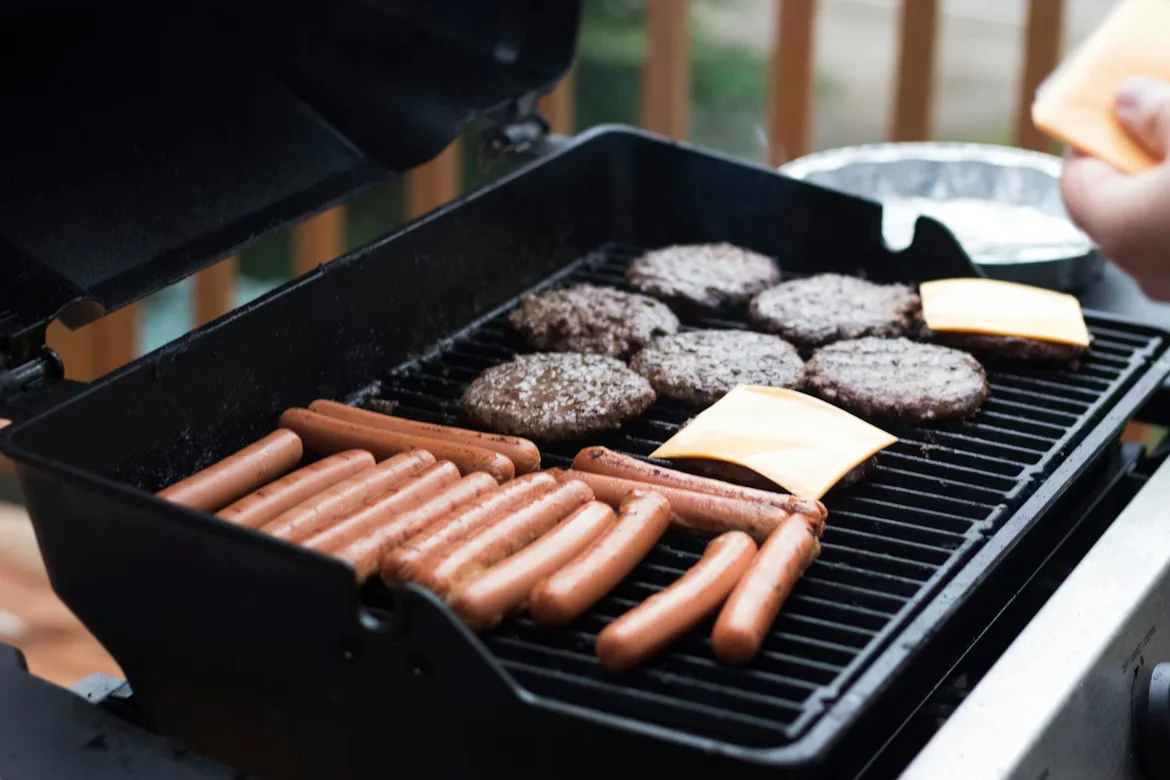
Electric BBQs are steadily gaining popularity among home cooks, apartment dwellers, and anyone who loves grilled food without the fuss of traditional charcoal or gas setups. With a growing focus on convenience, cleaner energy, and compact outdoor living, electric barbecues offer a compelling mix of performance and practicality. In fact, the global electric grills market was valued at about USD 4.1 billion in 2024 and is projected to grow to around USD 7 billion by 2034, reflecting a compound annual growth rate (CAGR) of approximately 5.7% from 2025 to 2034.
Whether you’re a backyard chef, a balcony griller, or someone exploring healthier cooking options, this guide breaks down everything you need to know about electric BBQs, from how they work to their best uses and buying tips.
Have questions about this story?
Ask Tundra for more details, context, or updates.
What Is an Electric BBQ?
Electric BBQ grills are powered by electricity instead of charcoal or gas. They use heating elements to generate consistent heat that cooks food on a grilling surface. Unlike charcoal grills that require lighting and tending, or gas grills that need propane or natural gas, electric BBQs simply need to be plugged into a power source, making them incredibly user-friendly.
Why Choose an Electric BBQ?
Effortless Setup and Use
Electric BBQs are designed for simplicity. There’s no need to manage fuel, light coals, or monitor gas levels. Just plug in the unit, set the temperature, and begin grilling. This ease of use is especially appealing for beginners or anyone who wants delicious grilled food without complicated preparation.
Ideal for Compact and Urban Spaces
Not all living situations allow for open-flame grilling. Many apartment buildings, condos, and townhouses have restrictions on charcoal and gas grills due to fire safety. Electric BBQs, being flame-free, are often permitted where traditional grills are not. Their compact designs also make them perfect for balconies, small patios, or even indoor use in well-ventilated areas.
Cleaner Heat and Reduced Smoke
Electric BBQs produce significantly less smoke than charcoal grills, which makes them more neighbor-friendly and better suited for areas where heavy smoke is a concern. While gas grills can still produce smoke depending on what you’re cooking, electric grills offer a cleaner alternative that still delivers that signature grilled flavor, especially when using wood chip trays or smoker boxes.
Consistent Temperature Control
Temperature control is one of the biggest strengths of electric BBQs. Digital thermostats and adjustable heat settings allow for precise cooking, reducing the risk of flare-ups or uneven heat. This is particularly useful when cooking delicate foods like fish or vegetables that can easily overcook.
What to Look for in an Electric BBQ
Heating Power and Temperature Range
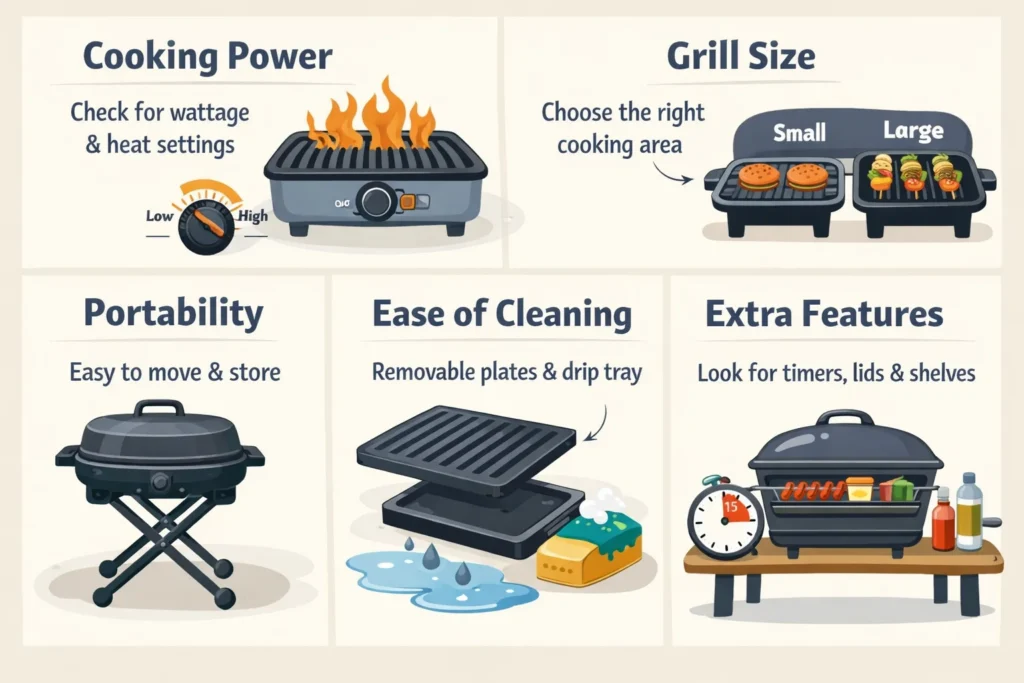
Look for grills with sufficient wattage to reach high temperatures. While electric BBQs may not get as hot as some gas models, quality units can still achieve excellent grilling temperatures suitable for searing steaks and cooking burgers. A wider temperature range also gives you the flexibility to grill, roast, or slow-cook.
Cooking Surface Size
Consider how much space you need to cook at once. Smaller grills are perfect for singles or couples, while larger families or frequent entertainers may benefit from a more spacious cooking surface to grill multiple items simultaneously.
Durability and Materials
Grill performance is influenced by construction materials. Sturdy, heat-resistant components such as stainless steel grates and durable housing can improve longevity and grilling performance. Easy-to-clean drip trays and removable parts are also practical features that save time after cooking.
Portability and Storage
If you plan to move your grill around or store it when not in use, weight and portability matter. Many electric BBQs are lightweight and foldable, making them easy to transport or pack away.
What Can You Cook on an Electric BBQ?
Electric BBQs are incredibly versatile, and you can cook a wide range of foods on them:
Classic Grill Favorites
• Steaks, burgers, sausages
• Chicken breasts, wings, drumsticks
• Fish fillets and shellfish
Veggies and Plant-Based Options
• Grilled corn, peppers, zucchini
• Portobello mushrooms
• Halloumi or plant-based patties
Unique and Fun Dishes
• Grilled pizzas
• Skewers and kebabs
• Grilled fruits like pineapple or peaches
With the right temperature control and accessories like grill baskets or searing stones, electric BBQs can handle nearly anything their charcoal or gas counterparts can.
Tips for Better Grilling with an Electric BBQ
Preheat Before You Cook
Give your grill time to reach the desired temperature before placing food on the grates. Preheating helps achieve better sear marks and more even cooking.
Use Marinades and Smoke Enhancers
Electric grills don’t naturally produce the smoky aroma of charcoal, but you can enhance flavor with marinades, herbs, or wood chips placed in a smoker box designed for electric units.
Keep It Clean
Regularly empty the drip tray and brush the grates after use to maintain performance and prevent buildup. A clean grill also reduces the risk of lingering flavors transferring between different foods.
Conclusion
Electric BBQs offer a reliable, low-maintenance way to enjoy the joys of grilling without many of the hassles associated with charcoal or gas. Their convenience, cleaner operation, and adaptability make them a fantastic choice for city dwellers, beginners, or anyone who wants great grilled food with less effort. Whether you’re whipping up weeknight dinners or hosting a weekend cookout, an electric BBQ can be a versatile and valuable addition to your home cooking arsenal.
Ready to fire up your next grill session? Embrace the simplicity and flexibility of electric BBQs and discover how easy great grilling can be.
Also Read: Five tips for hosting a sober BBQ